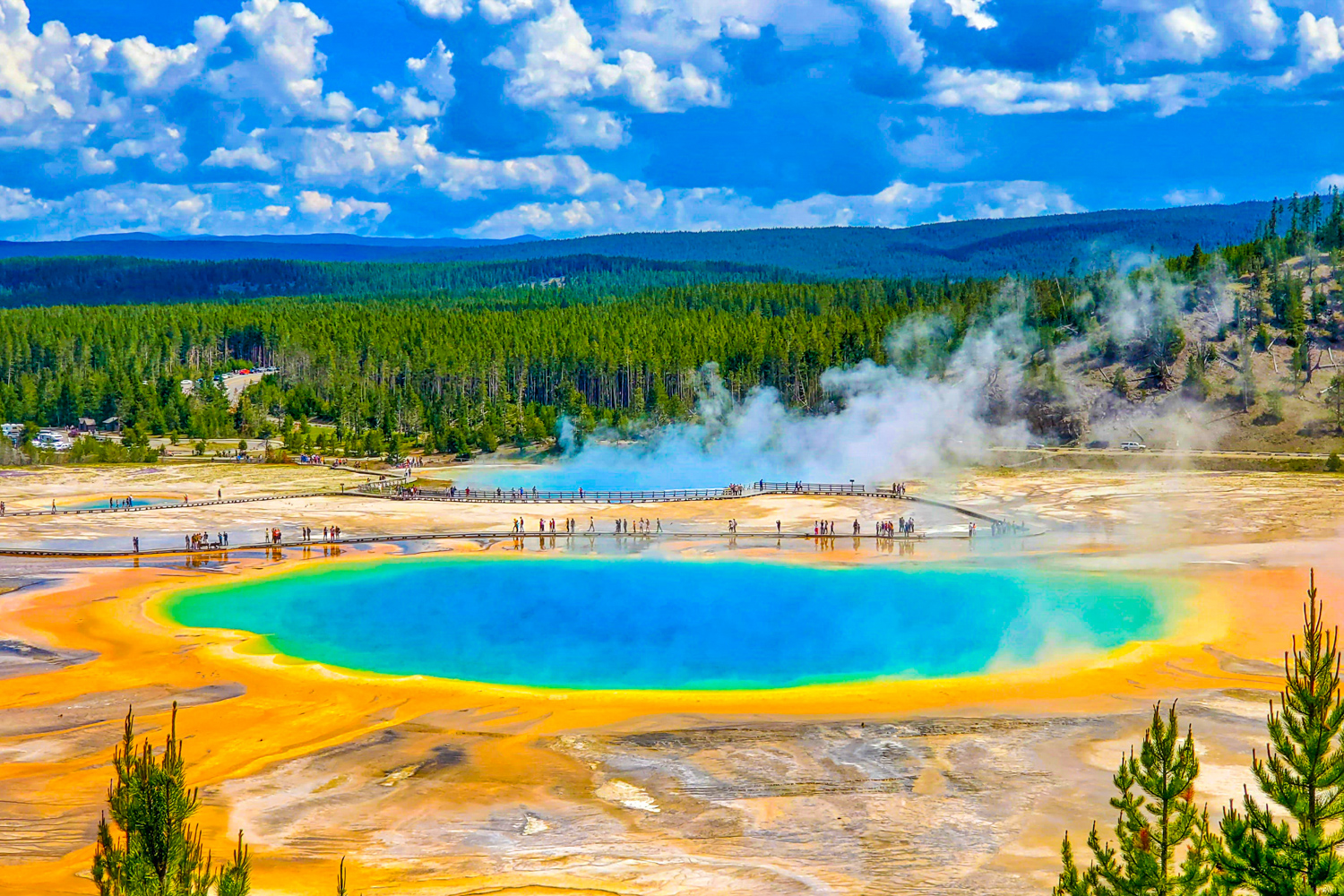
When you hit the bottom of the world in a video game, you encounter an indestructible barrier. In the physical world, bedrock is far less uniform, but it forms the solid foundation beneath every landscape. It doesn't act as a magic shield against destruction, yet it shapes civil engineering, groundwater storage, and mountain building across the globe.
Geologists define bedrock as the hard, solid rock that lies beneath loose surface materials like soil, sand, clay, and gravel. While digital pixels portray a single unbreakable gray layer at the lowest vertical coordinate, real geology features a diverse mix of igneous, sedimentary, and metamorphic rock types. It transitions gradually from fractured upper layers into dense, intact formations.
What is Bedrock in Actual Geology?
The Earth's surface looks soft and welcoming, covered in dirt, plants, and urban sprawl. Dig down far enough anywhere on land, and you'll eventually hit solid rock. That transition boundary is called the rockhead, and everything beneath it is bedrock.
Unlike virtual barriers, physical bedrock varies wildly by region. In some places, it sits exposed at the surface as a massive cliff or mountain peak. In other regions, you might have to drill hundreds of feet through glacial till, river sediments, or sand before reaching the solid layer.
- Igneous Formations: Created by cooling magma or lava, forming dense stones like granite or basalt.
- Sedimentary Layers: Formed by compressed sand, mud, and shells, creating sandstone, limestone, or shale.
- Metamorphic Rock: Existing rock transformed by intense heat and pressure deep underground into slate, schist, or gneiss.
For more details on how official geological surveys classify these strata, you can check the British Geological Survey.
How Bedrock Compares to Popular Myths
Gaming culture paints bedrock as a flat, unbreakable plane at the absolute bottom of the universe. Reality operates on a much more chaotic, dynamic scale. Earth doesn't have a single flat floor; tectonic plates shift, fold, and melt rocks back into the mantle miles below our feet.
You can't mine through a video game barrier with a diamond pickaxe, but civil engineers blast through physical stone every day to build subway tunnels, highway passes, and skyscraper foundations. Manhattan's famous skyline owes its structural stability to shallow mica-schist bedrock that easily supports massive weight. Without that firm base close to the surface, erecting skyscrapers would require much deeper, more expensive pilings.
Engineering Challenges and Excavation
Construction teams encounter real bedrock whenever they dig deep basements or lay bridge piers. Heavy machinery cannot simply scoop up solid granite the way it handles topsoil. Workers rely on heavy hydraulic hammers, diamond-tip core drills, and controlled explosives to clear out subterranean stone.
Common mistakes during foundation planning involve misjudging the depth of the overburden, which is the loose sediment sitting above the solid layer. If an architectural blueprint assumes solid stone sits ten feet down, but groundwater and shifting sand push that boundary to fifty feet, project costs skyrocket. Geotechnical engineers map these layers using seismic refraction and core sampling before a single shovel touches the dirt.
Groundwater and Hydrogeology
Solid stone doesn't mean completely dry. Many types of bedrock, particularly sandstone and fractured limestone, act as massive underground sponges. Rainwater filters down through the soil, enters cracks in the stone, and collects in deep aquifers.
Cities and rural communities pump drinking water straight out of these rocky reservoirs. According to the USGS Water Science School, these subsurface formations supply fresh water to millions of households. Protecting these zones from surface contamination is critical because pollutants can linger inside stone fractures for decades.
Frequently Asked Questions
Can bedrock be destroyed or worn away?
Yes. Over millions of years, wind, rain, ice, and chemical weathering break down solid stone into smaller particles, turning it back into soil and sediment.
Is bedrock the same thing as stone?
Not quite. All bedrock is stone, but not all stone is bedrock. A loose boulder sitting on a forest floor is stone, but it isn't part of the continuous, underlying geological foundation.
How deep do you have to dig to find it?
Depth varies completely by location. In some river valleys or thick desert dunes, it sits thousands of feet down. In mountainous regions or eroded canyons, it forms the visible surface.
Does bedrock go all the way to the center of the Earth?
No. The outer crust transitions into the hotter, semi-fluid mantle long before reaching the Earth's core.