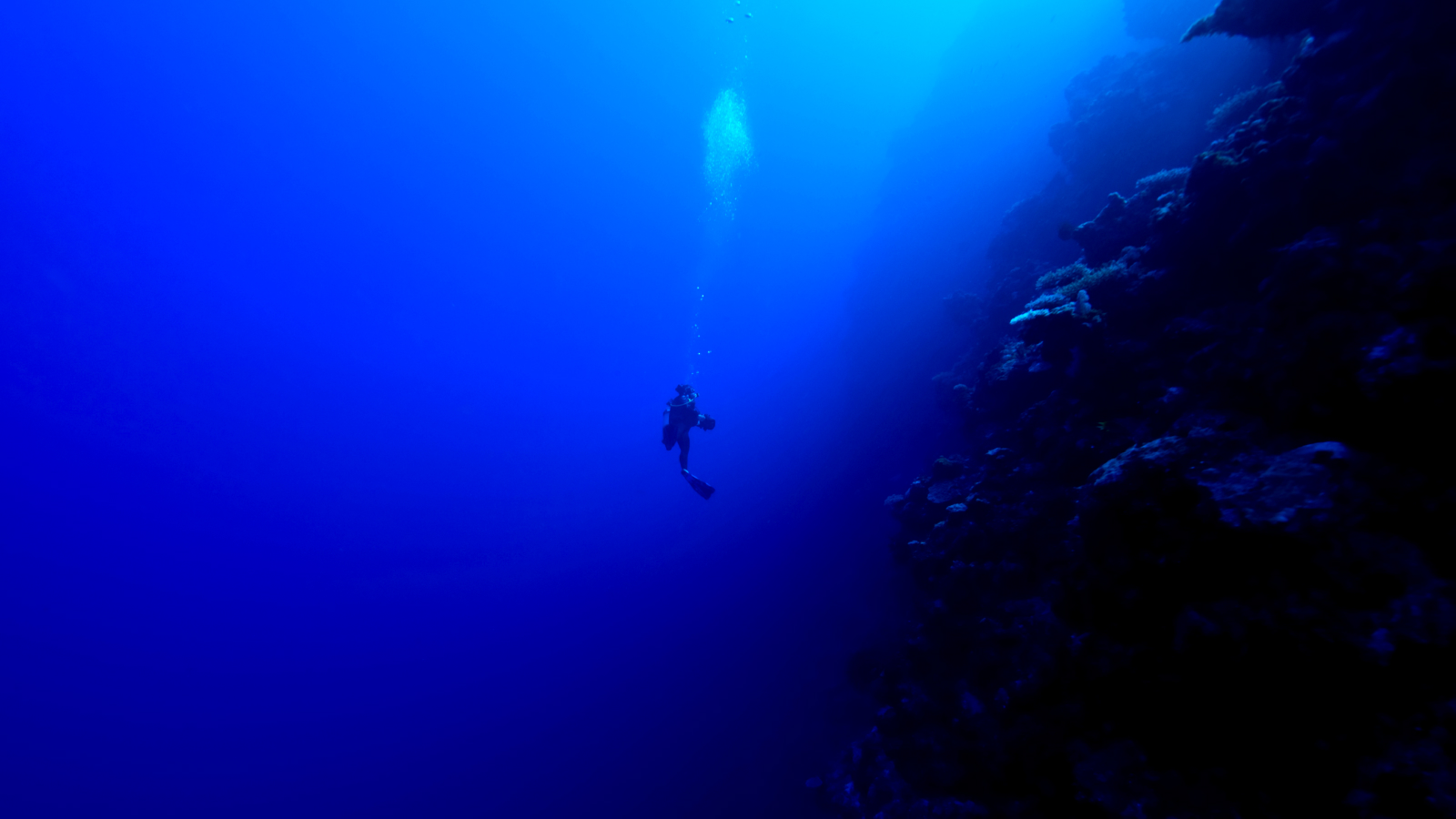
Diving down to 47 meters (154 feet) places you in an environment where physical laws shift dramatically and human physiology hits strict survival limits. While popular media frames this depth as a stage for shark-infested thrills, the real constraints are invisible: crushing hydrostatic pressure, rapidly depleting gas supplies, and altering cognitive states. Understanding what happens at this depth requires looking past fiction and examining the actual physics of deep-water exposure.
Reaching 47 meters means descending well past standard recreational limits, entering a technical territory where minor errors cascade quickly into fatal emergencies. At this depth, water exerts nearly six times the pressure felt at sea level, compressing breathing gas, changing how gases dissolve in human tissues, and transforming an ordinary swim into a high-stakes calculation of survival physics.
The Physics of Pressure at 47 Meters
Hydrostatic pressure accumulates quickly beneath the surface. For every 10 meters of depth, ambient pressure increases by one bar (equivalent to one atmosphere). At the surface, humans experience 1 bar of absolute pressure. At 47 meters, the total ambient pressure reaches roughly 5.7 bars, meaning every square inch of a diver's body and equipment sustains about 83 pounds of force.
This immense pressure governs how gases behave according to fundamental gas laws. Under Boyle's Law, volume is inversely proportional to pressure. As pressure increases, the volume of gas inside any flexible container—including a scuba cylinder or human lungs—decreases proportionally.
- Gas Consumption: Because the ambient pressure is nearly six times higher than on land, your lungs require a denser volume of air with every inhalation. A scuba tank that lasts an hour at shallow depths will drain in a fraction of that time at 47 meters.
- Air Density: The air you breathe becomes noticeably thicker and heavier, which increases breathing resistance and limits physical exertion.
- Volume Compression: Any air spaces trapped in gear, sinuses, or middle ears must be actively equalized during descent to prevent tissue damage and barotrauma.
According to the National Oceanic and Atmospheric Administration (NOAA), mastering these pressure dynamics is the primary reason deep-water exploration demands specialized training, precise equipment configurations, and rigorous gas management.
Physiological Hazards: Nitrogen Narcosis and Gas Toxicity
Pressure alters not just the volume of air, but how chemical elements interact with the human nervous system. Nitrogen, which makes up about 78 percent of standard breathing air, behaves as an inert gas at the surface. Under high pressure, however, it crosses the blood-brain barrier and acts as a mild anesthetic.
This condition, known as nitrogen narcosis or the "rapture of the deep", typically begins to impair cognitive function at depths exceeding 30 meters. At 47 meters, its effects are pronounced:
- Impaired Judgment: Divers often experience a false sense of security, euphoria, or unearned confidence, making it difficult to recognize mounting dangers.
- Delayed Reaction Times: Problem-solving skills slow down significantly, which can prevent a diver from handling routine equipment failures.
- Anxiety and Paranoia: Some individuals experience sudden bouts of dysphoria or irrational panic.
Oxygen toxicity also presents a silent hazard. Breathing standard air with a high partial pressure of oxygen at 47 meters pushes oxygen molecules past safe biological thresholds, risking sudden central nervous system toxicity, convulsions, and unconsciousness. Technical divers mitigate these risks by switching to specialized gas mixtures, such as trimix, which blend helium to replace portions of both nitrogen and oxygen.
Decompression Sickness and the Science of Ascent
The longer a diver remains at 47 meters, the more inert nitrogen dissolves into their bloodstream and body tissues. If an ascent is executed too rapidly, that dissolved nitrogen comes out of solution and forms gas bubbles in the blood and tissues, much like opening a violently shaken carbonated beverage.
This physiological trauma is known as decompression sickness (the bends). Symptoms range from joint pain and skin rashes to neurological impairment, paralysis, and death.
To prevent this, deep divers cannot swim directly to the surface. Instead, they must perform calculated decompression stops—pausing at specific shallow depths for predetermined durations to allow excess nitrogen to safely off-gas through the lungs. Modern dive computers track these profiles in real time, but exceeding no-decompression limits at 47 meters requires long, meticulous ascents that demand flawless gas reserve planning.
Environmental Realities: Cold and Darkness
Beyond physiological and chemical pressures, the physical environment at 47 meters introduces severe sensory and thermal challenges.
- Rapid Thermal Loss: Water conducts heat away from the human body roughly 25 times faster than air. Even in tropical regions, deep water layers drop significantly in temperature, accelerating the onset of hypothermia if proper thermal protection like a thick wetsuit or drysuit isn't worn.
- Severe Light Attenuation: Sunlight is rapidly absorbed and scattered by water molecules. At 47 meters, natural light is scarce, creating a dim, blue-grey environment where visibility can drop sharply, increasing psychological stress and disorientation.
Frequently Asked Questions
How long can a standard scuba tank last at 47 meters?
Under heavy exertion or panic, a standard aluminum cylinder can be depleted in as little as 10 to 15 minutes. Even calm, experienced divers burn through their gas supply at an accelerated rate due to high ambient pressure.
Is 47 meters considered a recreational dive?
No. Standard recreational scuba certification limits training to a maximum depth of 40 meters (130 feet). A depth of 47 meters falls strictly into the category of technical deep diving, requiring specialized certifications, mixed gases, and extensive surface support.
What causes nitrogen narcosis, and does it leave lasting effects?
Nitrogen narcosis is caused by the increased partial pressure of nitrogen acting on nerve cell membranes. It leaves no permanent physiological damage once the diver ascends to shallower depths where the pressure decreases.
Why can't divers surface immediately if they run out of air?
Surfacing instantly from 47 meters without managing gas expansion and nitrogen release risks two catastrophic outcomes: pulmonary barotrauma (lung rupture from holding one's breath while ascending) and severe decompression sickness. Both can be fatal.