Thiladhunmathee Atoll sits at the remote northernmost tip of the Maldives, split administratively into Haa Alifu and Haa Dhaalu. Because it's hundreds of kilometers away from the busy central hubs like Malé, you won't deal with crowded dive sites or bleached coral reefs here.
If you want untouched marine ecosystems, dramatic channel walls, and quiet dive boats where you're the only group in the water, this far-northern region delivers. Planning a trip here requires understanding long-range logistics, seasonal weather patterns, and specific site selections.
Understanding Thiladhunmathee Atoll Geography
The northernmost tip of the Maldivian archipelago features expansive lagoons and deep channels that draw pelagic life straight from the open Indian Ocean. While central atolls see dozens of liveaboards daily, Thiladhunmathee remains largely uncommercialized.
Reaching these northern waters takes extra effort. Most travelers fly into Velana International Airport in Malé and catch a domestic flight north to Hanimaadhoo or Hoarafushi, followed by a speedboat transfer. Alternatively, specialized liveaboards cover the long route from the central atolls, though crossing the open water channels depends heavily on sea conditions.
Top Dive Sites in Thiladhunmathee Atoll
The underwater topography here mixes shallow coral plateaus, steep vertical walls, and isolated submerged pinnacles known locally as thilas.
Mulhadhoo Faru and Corner
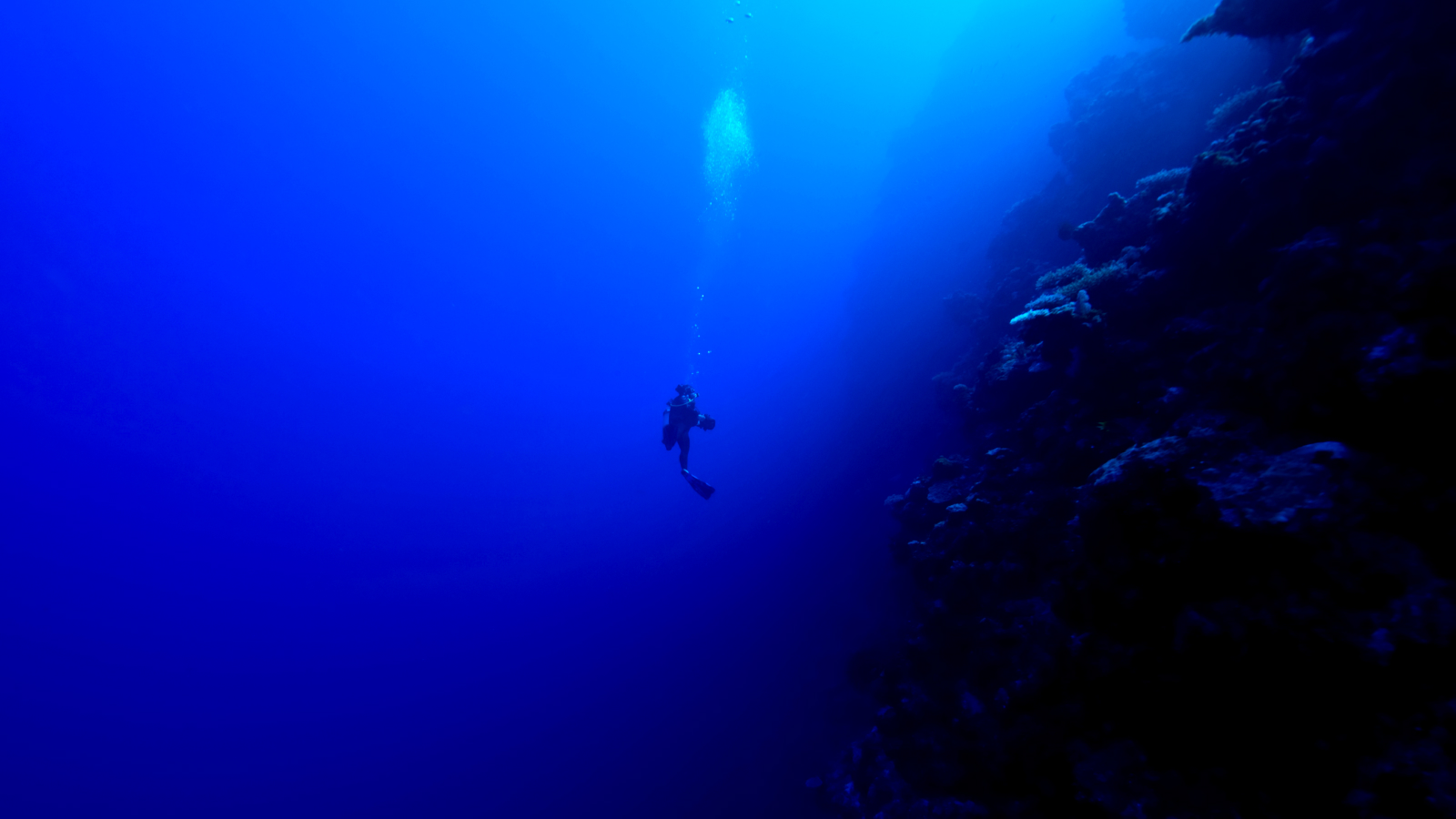
Located in the Haa Alif section, these sites offer classic wall diving with dynamic current exposure. The top reef starts around 6 meters and drops steeply into the blue. Hard corals dominate the upper ledges, while overhangs and crevices shelter sleeping nurse sharks, massive moray eels, and stingrays. Keep your eyes open in the blue water for passing eagle rays and schools of fusiliers.
Bodu Bandu Thila
This submerged pinnacle features a complex maze of coral blocks and cracks. Stonefish, scorpionfish, and octopuses hide in the rocky crevices. Because nutrient-rich currents sweep across the top of the pinnacle at 10 meters, hunting jacks and medium-sized reef sharks frequent the area regularly.
Madulu Cave North
A favorite spot for macro photographers and critter hunters. The depth ranges comfortably between 6 and 25 meters, making it accessible for intermediate divers. You'll find red snappers, large Napoleon wrasse, and cleaner shrimp stations tucked along the cave walls.
Marine Life and Seasonal Migrations
The isolation of the northern atolls protects marine populations from heavy human disruption.
- Manta Rays: From November through March, local cleaning stations attract reef mantas. The northeast monsoon brings clear water and plankton shifts that trigger active feeding behaviors.
- Sharks and Pelagics: White-tip reef sharks, grey reef sharks, and occasional tiger sharks patrol the outer channels.
- Turtles: Green hawksbill turtles are common residents on almost every shallow reef flat and faru edge.
For official updates on marine protected areas and conservation initiatives in the region, consult the Maldives Ministry of Tourism.
Planning Your Northern Dive Trip
Logistics dictate a successful dive trip to the far north. Keep these practical constraints in mind before booking:
- Choose Your Base: You can stay at luxury private island properties like JA Manafaru which feature fully equipped PADI five-star dive operations, or look for emerging local guesthouse options in Haa Dhaalu.
- Check the Monsoons: The northeast monsoon (dry season) runs from November to April, offering the calmest surface conditions and best visibility. The southwest monsoon brings rougher seas between May and October.
- Skill Requirements: Many channel dives involve strong currents. Having an Advanced Open Water certification with experience in drift diving lets you safely access the best sites.
Frequently Asked Questions
Is Thiladhunmathee Atoll suitable for beginner scuba divers?
Yes, but with caveats. While shallow house reefs and protected lagoons work well for open water courses, the best sites—such as deep channels and exposed thilas—frequently feature strong currents suited for advanced divers.
How do I get to Haa Alifu and Haa Dhaalu from Malé?
You will take a domestic flight operated by carriers like Maldivian to regional airports in the north, followed by a short speedboat transfer to your resort or local island.
What is the water temperature like year-round?
Water temperatures remain consistently warm, hovering between 27°C and 30°C (80°F to 86°F) throughout the year. A 3mm shorty or full wetsuit is usually sufficient.
Are dive crowds an issue in the far north?
No. The primary advantage of diving Thiladhunmathee is the absence of crowds. You will often share dive sites exclusively with your own buddy pair or small boat group.