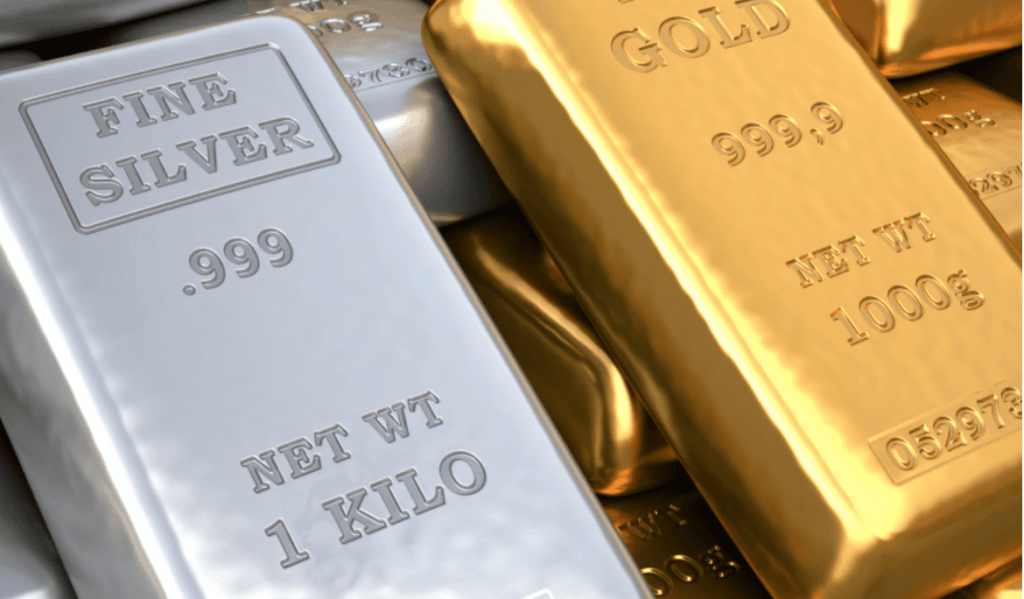
Determining what 100 ounces of silver is worth requires looking past simple math and examining market realities. With the spot price hovering around $50.50 per troy ounce, a baseline calculation puts 100 ounces at roughly $5,050. Yet, if you try to buy or sell that physical metal today, you won't get that exact figure. Retail premiums, form factors, and dealer spreads change the final equation entirely.
Let's break down how spot values translate into cash in hand, what factors push prices up or down, and how to evaluate your holdings accurately.
Calculating the Baseline Value of 100 Ounces
The foundational number for any precious metal calculation is the spot price, which updates constantly during active trading hours on global commodities exchanges like COMEX.
When the spot price sits at $50.50 per troy ounce, the math is straightforward:
- 1 ounce: $50.50
- 10 ounces: $505.00
- 50 ounces: $2,525.00
- 100 ounces: $5,050.00
Keep in mind that precious metals are measured in troy ounces, not standard avoirdupois ounces used for cooking or body weight. One troy ounce equals 31.1035 grams, whereas a standard US ounce is about 28.35 grams. If you weigh your silver on a standard kitchen scale, you're looking at a different unit of measurement entirely. Always verify you're working with troy ounces before multiplying by the spot price.
Physical Forms: Why Your Silver Might Be Worth More
If you own 100 ounces of physical silver, its actual market value depends heavily on how that metal is packaged. Silver bullion exists in several forms, each carrying different premiums or discounts when bought and sold.
One-Hundred-Ounce Bars
The most direct way to hold this exact quantity is a single 100-ounce poured or pressed bar. Because refiners produce these efficiently, they usually carry the lowest markup over spot price. When you buy a 100-ounce bar from a major mint like Johnson Matthey or Engelhard, you pay a small per-ounce manufacturing fee above the raw spot rate. When you sell it back, local coin shops or online bullion dealers typically buy it back right at or slightly below spot.
One-Ounce Coins and Rounds
Alternatively, your 100 ounces might consist of individual 1-ounce government-issued coins—such as American Silver Eagles or Canadian Maple Leafs—or private mint silver rounds. Government coins carry significantly higher retail premiums because of sovereign backing, artistic demand, and legal tender status. If your 100 ounces are made up of American Silver Eagles, you can expect to sell them for a higher premium over spot than a single large industrial bar.
Junk Silver and Fractional Pieces
Some stackers accumulate 100 ounces through pre-1965 US dimes, quarters, and half dollars, known as constitutional or "junk" silver. These coins contain 90% silver and trade based on their face value multiplied by a specific market multiplier. Evaluating 100 face-value dollars of junk silver requires accounting for wear and tear, meaning the actual weight of pure silver might be slightly lower than 100 troy ounces due to decades of circulation.
Hidden Costs: Buying Versus Selling Spreads
The spot price is what institutional investors pay for paper contracts or massive commercial shipments. Retail buyers and sellers deal with the bid-ask spread.
When you purchase 100 ounces of silver from a retail dealer, you pay the ask price, which includes a markup to cover the dealer's overhead, shipping, insurance, and profit margin. Conversely, when you liquidate that same silver, the dealer offers you the bid price, which is often slightly below the current spot rate for generic items, or right at spot for high-demand sovereign coins.
For example, if the spot price is $50.50:
- Buying a 100-ounce bar might cost you $5,300 total once premiums and shipping are factored in.
- Selling that exact bar back to a dealer might net you $4,980 if they are buying slightly under spot to manage their inventory risks.
Failing to account for this spread is the most common mistake new investors make when calculating the net worth of their portfolio.
Market Drivers Behind Silver Valuations
Silver behaves differently than gold because it is both a monetary safe-haven asset and a vital industrial input. According to data tracked by the Silver Institute, industrial demand accounts for more than half of all global silver consumption.
- Green Energy Transition: Photovoltaic cells used in solar panels consume millions of ounces of silver annually, keeping industrial demand robust even during economic downturns.
- Electronics and Medical Uses: Silver's unmatched electrical and thermal conductivity makes it irreplaceable in modern circuit boards, switches, and medical equipment.
- Inflation Hedge: During periods of high currency inflation or geopolitical friction, retail demand for physical bullion surges, driving retail premiums much higher regardless of what the nominal spot price indicates.
Frequently Asked Questions
Is a 100-ounce silver bar hard to sell?
Not at all. Major online bullion dealers, local coin shops, and precious metal brokers buy 100-ounce bars daily. Because they are stamped with weight, purity (usually .999 fine), and a recognized hallmark, liquidity is very high. However, you will need to bring government-issued identification, and large cash transactions may trigger dealer reporting requirements depending on local laws.
How should I store 100 ounces of physical silver?
A single 100-ounce bar weighs nearly seven pounds and is roughly the size of a paperback book, making it easy to store in a home safe or a bank safe deposit box. If you hold individual coins, keep them in protective airtight capsules or original mint tubes to prevent toning, scratching, or environmental damage that can degrade collector value.
Do I have to pay taxes when I sell 100 ounces of silver?
Tax laws vary by jurisdiction, but in many regions, precious metals are treated as capital assets or collectibles. If you sell silver for a profit, capital gains taxes may apply. It's smart to keep your original purchase receipts and invoices to document your cost basis accurately for tax filing purposes.
Can I keep silver in an IRA?
Yes, certain types of physical silver that meet IRS purity standards (such as .999 fine bars and specific coins) can be held inside a self-directed precious metals IRA. This requires an approved custodian and an IRS-approved depository for secure storage, meaning you cannot keep the metal at home if it is part of a tax-advantaged retirement account.