Plants adapted to arid or water-stressed environments deploy remarkable biochemical strategies to survive extreme drought. At the core of these structural and metabolic defenses are specialized cell wall polysaccharides and photoprotective mechanisms, including the xanthophyll cycle and the structural contributions of xylose and xylan. Understanding how these components interact provides deep insight into plant stress resilience.
Arid environments present harsh physiological challenges. When water availability drops, plants face the dual threat of hydraulic failure and excess light energy causing oxidative damage. To maintain cellular integrity, plants modify their primary and secondary cell walls while simultaneously tuning their non-photochemical quenching mechanisms. Examining how xylose and xylan facilitate xeromorphic traits alongside the dynamic adjustments of the xanthophyll cycle reveals the sophisticated architecture of drought resistance.
The Biochemical Foundation of Xeromorphic Plant Walls
Cell wall composition shifts dramatically under prolonged water stress. Secondary cell walls become thicker, more rigid, and less permeable to water loss. Hemicelluloses play a central role in this structural reinforcement, acting as mechanical binding agents between cellulose microfibrils.
Xylose-derived polymers form the backbone of these structural adaptations. By modifying the porosity and cross-linking density of the cell wall, plants prevent cellular collapse during severe desiccation.
The Structural Role of Xylan in Drought Resistance
Xylan is the major hemicellulose found in the secondary cell walls of angiosperms and gymnosperms. Its primary monomer is xylose, a five-carbon sugar that polymerizes into a linear backbone decorated with various side chains.
- Cellulose cross-linking: Xylan molecules bind tightly to the surface of cellulose microfibrils, creating a robust structural network.
- Hydrophobicity regulation: Acetylation and methylation of xylan side chains alter the hydrophobicity of the cell wall matrix, helping to retain internal moisture.
- Mechanical reinforcement: Denser xylan deposition prevents vessel implosion when negative pressures spike in the xylem during drought.
Biosynthesis and Deposition Under Stress
During periods of limited water, plants upregulate genes responsible for xylan backbone synthesis and side-chain modification. Enzymes such as glucuronosyltransferases and arabinosyltransferases alter the fine structure of xylan, increasing its interaction with lignin. This lignin-xylan complex creates an impermeable barrier that restricts uncontrolled transpirational water loss through epidermal tissues.
Photoprotection and the Xanthophyll Cycle
While structural cell wall components manage mechanical and hydraulic stress, photosynthetic machinery faces a different crisis during drought. When stomata close to conserve water, the uptake of carbon dioxide halts. The Calvin cycle stalls, leaving the plant with an excess of light energy that it cannot use for photochemistry.
This surplus energy generates reactive oxygen species that destroy chloroplast membranes. To prevent this destruction, plants rely on the xanthophyll cycle, a rapid enzymatic feedback loop that dissipates excess light energy as heat.
Mechanisms of Non-Photochemical Quenching
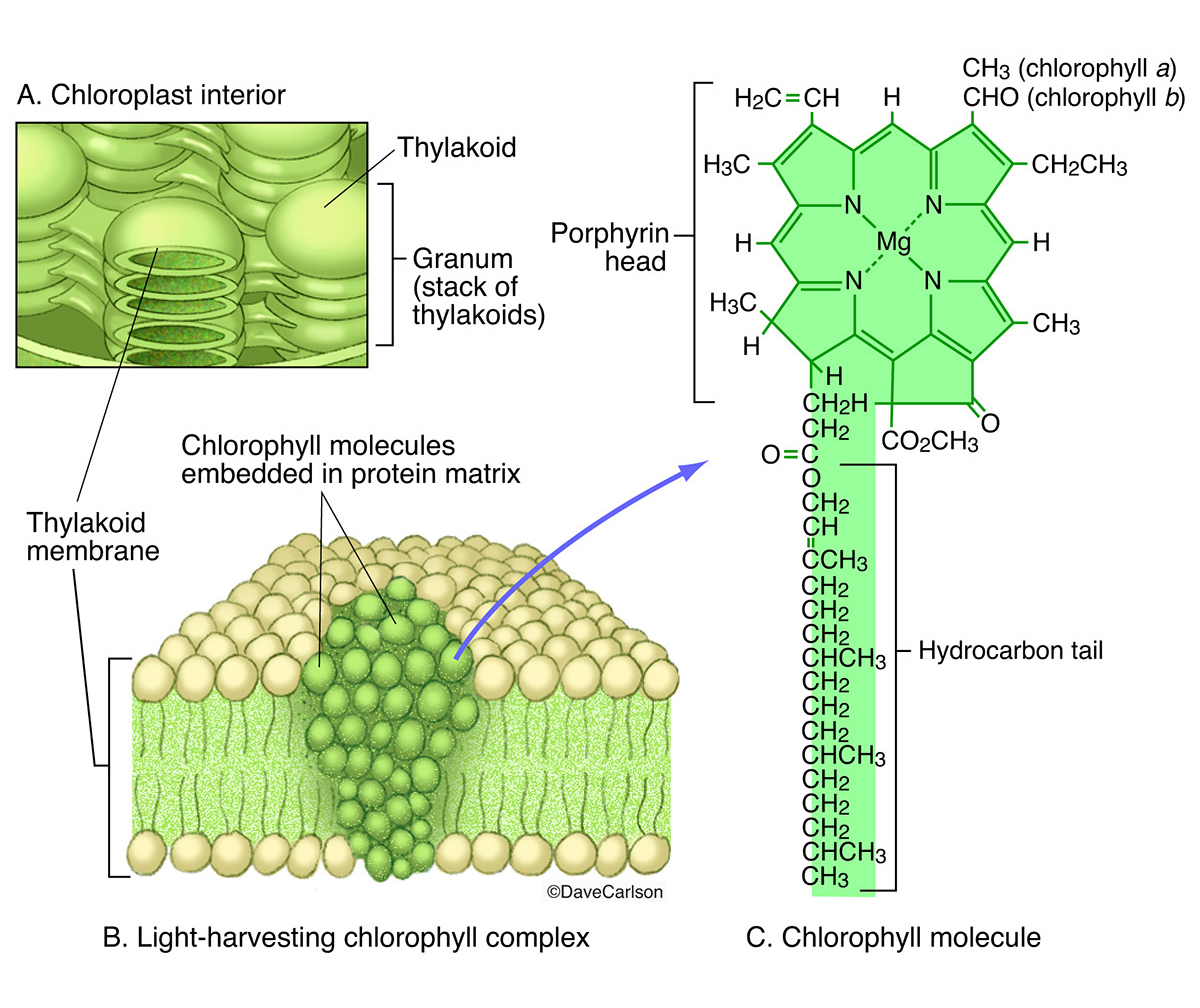
The xanthophyll cycle operates within the thylakoid membranes of chloroplasts, involving three primary carotenoid pigments: violaxanthin, antheraxanthin, and zeaxanthin.
- Enzymatic conversion: Under high light and drought stress, violaxanthin deepoxidase converts violaxanthin into antheraxanthin and subsequently into zeaxanthin.
- Heat dissipation: The accumulation of zeaxanthin triggers non-photochemical quenching, safely releasing excess excitation energy as thermal energy.
- Recovery: When stress subsides, epoxidases convert zeaxanthin back to violaxanthin to restore maximum photosynthetic efficiency.
Interplay Between Cell Wall Mechanics and Photoprotection
Although operating in different cellular compartments, structural xeromorphic adaptations and photoprotective cycles are metabolically linked. Maintaining rigid, xylan-reinforced cell walls preserves leaf architecture, ensuring that chloroplasts maintain optimal spatial orientation for the xanthophyll cycle to function efficiently without physical disruption from cell collapse.
Common Misconceptions About Drought Adaptations
Many observers confuse short-term physiological responses with permanent structural xeromorphic traits. Recognizing the distinction prevents errors in agricultural management and ecological modeling.
- Mistake: Assuming all xylose polymers function identically across plant species.
- Correction: The degree of branching and acetylation in xylan varies widely between monocots and dicots, changing its drought-mitigation efficacy.
- Mistake: Believing the xanthophyll cycle provides structural protection to cell walls.
- Correction: The cycle acts exclusively within chloroplasts to manage light energy, whereas xylan provides mechanical reinforcement to the extracellular matrix.
- Mistake: Treating drought resistance as a static trait.
- Correction: Both xylan deposition and xanthophyll dynamics are highly plastic, fluctuating rapidly based on immediate environmental signals.
Frequently Asked Questions
What is the primary function of xylose in plant cell walls?
Xylose serves as the fundamental building block for xylan, a major hemicellulose that cross-links with cellulose microfibrils to provide mechanical strength and regulate wall porosity during stress.
How does the xanthophyll cycle protect plants during drought?
When drought causes stomata to close, the xanthophyll cycle converts excess light energy into harmless thermal energy, protecting chloroplasts from oxidative damage.
Do all xeromorphic plants use the same xylan structures?
No. Grasses typically contain glucuronoarabinoxylans, while hardwoods feature mostly 4-O-methylglucuronoxylans, reflecting different evolutionary adaptations to arid conditions.
Can agricultural crops be engineered for enhanced xylan deposition?
Researchers are actively studying how modifying xylan biosynthesis genes can improve drought tolerance in staple crops like USDA agricultural research initiatives explore, though balancing drought resistance with cell wall digestibility remains a complex challenge.