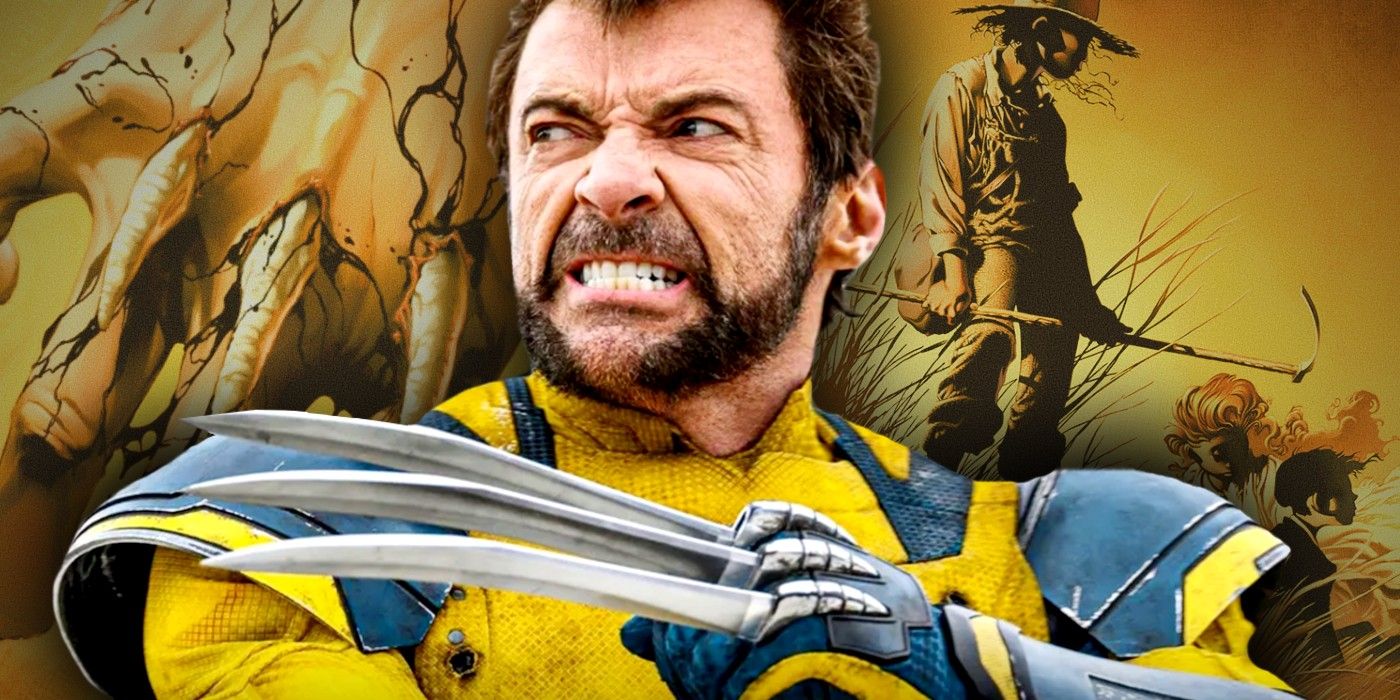
Long before superheroes dominated box offices and streaming algorithms, comic book characters lived in niche print bubbles. Today, figures like Logan transcend their panels to become universal templates for digital exhaustion. The transformation of mutant lore into online shorthand reveals how internet subcultures adopt fictional icons to process real-world weariness.
The phenomenon centers on a specific visual trope: the stoic, rugged hero reduced to a moment of quiet melancholy or absurdity. When a character defined by adamantium claws and feral rage spends a quiet second staring at a framed picture—or sitting slumped on a couch—the contrast creates instant comedic gold. Internet users don't just share these templates for a quick laugh; they repurpose them to articulate universal feelings of longing, burnout, and everyday frustration.
The Roots of Mutant Memes
The cultural footprint of Marvel's most famous mutant online traces back decades, picking up immense momentum from the 1993 X-Men: The Animated Series. In the episode "Captive Hearts," a brief scene depicts Logan staring longingly at a picture frame containing Jean Grey and Cyclops.
Animators likely intended a straightforward moment of romantic yearning, but the internet saw something infinitely more versatile. Stripped of its narrative context, the image became a blank canvas. Users began substituting the contents of the picture frame with everything from fast food receipts to childhood pets.
Several factors drove this transition from Saturday morning cartoon obscurity to viral sensation:
- Universal Relatability: Everyone experiences unrequited desires or misses things they can't have, making Logan's brooding stance a mirror for everyday nostalgia.
- Visual Contrast: Pairing an ultra-violent, indestructible killing machine with soft, tender yearning creates a comedic juxtaposition.
- Ease of Editing: The simple framing and static composition made it an ideal format for early image macros and modern social media templates alike.
Evolution Across Platforms
As social media architectures shifted from static image boards to fast-paced video apps, the meme didn't die—it mutated. Creators on platforms like TikTok and Instagram began animating the template, incorporating sound design, or integrating it into gaming culture. When modern interactive adaptations like Insomniac's Marvel's Wolverine nod directly to these fandom inside jokes, it closes the loop between corporate IP and organic internet lore.
The meme thrives because it adapts to shifting cultural anxieties. During periods of economic uncertainty or collective exhaustion, the imagery of a rugged hero sitting defeated yet enduringly resilient resonates deeply. It shifts the character from an untouchable pop-culture icon into an avatar for the exhausted digital native.
Why Fandoms Claim Superheroes Online
Digital spaces reward characters who exhibit emotional extremes. Heroes with spotless, perfect moral compasses rarely achieve lasting meme status because they lack internal friction. Logan works so well online because his core archetype is defined by a struggle against his own nature. He's an outsider who doesn't quite belong anywhere—a sentiment that digital communities understand intimately.
When fans build subcultures around these tropes, they establish a shared language. Posting a variation of the classic frame isn't just about sharing a joke; it signals membership in a broader community that values self-aware humor over sanitized corporate marketing.
Frequently Asked Questions
Where did the original sad Wolverine meme come from?
The meme originates from Season 1, Episode 5 of X-Men: The Animated Series (1993), titled "Captive Hearts," where Logan looks at a photo of Cyclops and Jean Grey.
Why do mutant characters resonate so strongly with internet culture?
Mutants represent the ultimate outsider archetype, dealing with alienation, adaptation, and survival—themes that heavily mirror the modern digital experience of navigating complex online spaces.
How do modern video games reference these viral moments?
Developers frequently inject easter eggs acknowledging classic internet culture into modern titles, allowing players to discover subtle nods to decades-old fandom jokes within contemporary gameplay.
Can corporate meme integration ever feel authentic?
It succeeds only when creators and studios understand the community's ironic distance, treating the reference as a shared wink rather than a forced marketing directive.



