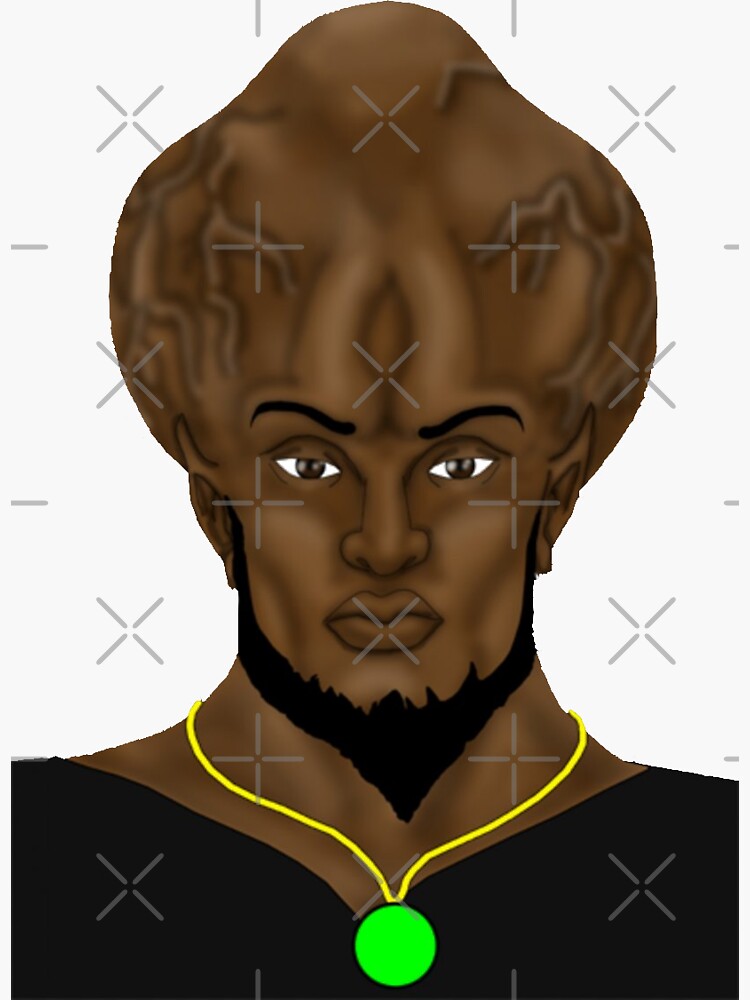
The Yakub meme centers on an obscure theological figure originating from the Nation of Islam who mutated into a viral internet fixture. Originally described in mid-20th-century religious texts as a black scientist who engineered the white race through a 600-year process of selective breeding on the island of Patmos, the character transitioned decades later into surreal web humor. Online communities seized upon the narrative's extreme premise, hyperbolic descriptions of a massive head or brain, and archaic terminology, transforming a serious religious myth into ironic shitposts, galaxy-brain edits, and deep-fried image macros.
Understanding why this specific figure captured the imagination of modern netizens requires looking past the surface-level absurdity. It reveals how digital subcultures extract fringe lore, strip it of its original sociopolitical context, and weaponize it for surrealist humor. This breakdown explores where the myth began, how it crossed over into mainstream meme spaces, and what it says about modern online communication.
The Theological Origins of Yakub
To understand the internet's fascination, you need to look at the source material. The story of Yakub (often linked to the biblical patriarch Jacob) was formalized by Wallace Fard Muhammad and expanded by Elijah Muhammad, the leaders of the Nation of Islam. In these foundational teachings, Yakub was depicted as a brilliant yet adversarial geneticist born with a massive head due to his dual-brain capacity.
According to the doctrine, Yakub gathered followers and traveled to the Greek island of Patmos. There, he initiated a systematic breeding program designed to systematically extract genetic traits over centuries. The narrative claims this process ultimately generated the white race, which the doctrine characterizes as a people destined to rule for a specific epoch before original populations reclaimed dominance.
For decades, this narrative remained confined within specific theological, racial, and political discourses, occasionally surfacing in academic studies or literary critiques. Mainstream culture largely ignored it until the proliferation of online message boards created an environment where obscure historical and religious lore could be rapidly redistributed, reinterpreted, and flattened into humor.
The Transition from Fringe Lore to Viral Meme
The migration of Yakub into mainstream digital spaces didn't happen overnight. It crawled out of niche image boards and forums where users hunt for bizarre historical trivia. Around the late 2010s and early 2020s, screenshots of encyclopedia pages, dry theological summaries, and bizarre pseudohistorical claims began circulating on platforms like Twitter, Reddit, and TikTok.
Netizens quickly latched onto several distinct elements of the story:
- The extreme physical description of Yakub, specifically his oversized head and super-intelligence.
- The highly specific, almost sci-fi nature of the "tricknology" and selective breeding experiments.
- The jarring juxtaposition between a serious religious dogma and the absolute surrealism of the narrative.
Meme creators began casting Yakub as a sci-fi supervillain akin to comic book characters, complete with absurd gadgetry and cosmic evil plans. Image macros paired historical engravings or low-resolution portraits with modern slang, treating the 6,600-year-old geneticist like a modern tech CEO or a mad scientist pulling the strings of global history.
Why the Internet Fell in Love with the Absurdity
Internet humor thrives on hyper-specificity and layered irony. The Yakub phenomenon hit a sweet spot for several reasons. First, it offered a fresh canvas for the "galaxy brain" meme format. Because the original texts emphasized Yakub's supreme intellect and gigantic head, he became the ultimate personification of over-engineered, hyper-complex solutions to simple problems.
Second, the meme allowed users to engage in surrealist historical fanfiction. Communities on platforms like Reddit began treating Yakub's supposed laboratory on Patmos like an ancient Silicon Valley startup incubator. Jokes about "patching out" human traits, extracting melanin, and managing the 6,000-year timeline turned a tense racial narrative into abstract, surreal theater where the original political intent was buried under layers of deep-fried irony.
The Cultural Friction and Controversy
While online spaces treated the trend as harmless absurdity, the meme naturally generated significant cultural friction. Because the character stems from a theology explicitly addressing racial hierarchies and historical grievances, deploying him as a punchline walks a fine line.
For many users outside the loop, discovering the meme led to genuine confusion—wondering if the story was an elaborate internet hoax or an actual belief system. When newcomers realized people genuinely believed or taught these concepts, the cognitive dissonance fueled even more ironic engagement. However, critics note that reducing complex religious and racial dogma into disposable web content can sanitize or trivialize serious socio-political histories, turning sensitive community beliefs into punchlines for teenagers on Discord and TikTok.
Frequently Asked Questions
Is Yakub a real historical figure?
No. Historians and religious scholars classify Yakub as a mythical figure within the specific theological framework of the Nation of Islam. He has no backing in mainstream Islam, Judaism, Christianity, or modern genetic science.
Why do memes depict him with a massive head?
The internet exaggerates textual descriptions from Nation of Islam teachings that highlighted his supreme intelligence and dual-brain capacity, which led early commentators to describe him as having an enormous head or brain.
How did the meme spread so fast?
The narrative spread primarily through image boards, Reddit communities focused on niche history or surreal memes, and TikTok explainers. Its sheer bizarreness made it prime material for shock value and dark humor.
Do members of the Nation of Islam comment on the memes?
For the most part, major figures within the movement ignore online meme culture, though the historical teachings remain a documented part of their foundational literature. Most online users engaging with the trend are entirely detached from the actual religious organization.



