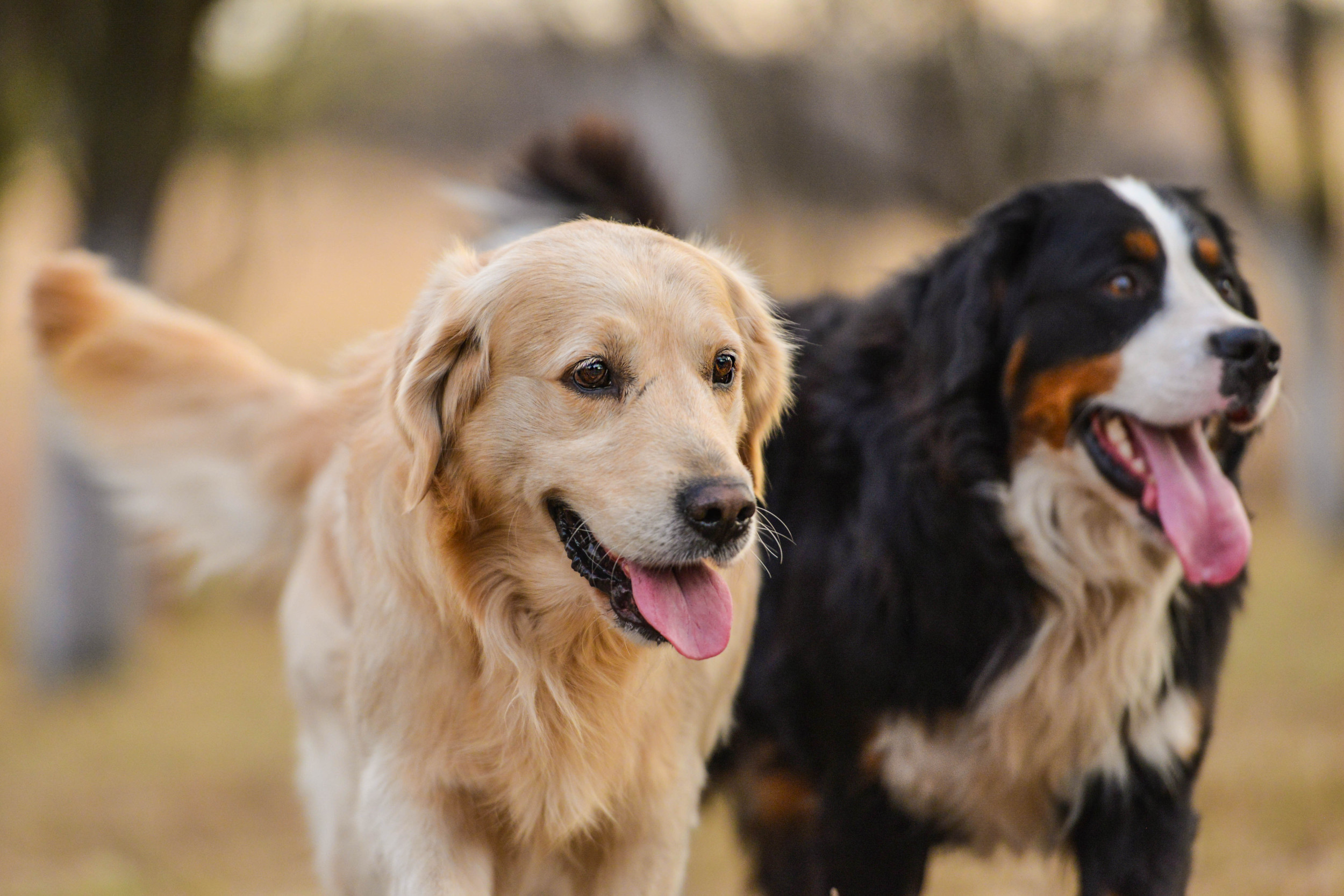
When you look at a gray wolf and a domestic dog side by side, you're viewing one of the most remarkable evolutionary divergences in the animal kingdom. They share a common ancestral lineage and nearly identical genetic blueprints, yet their daily lives, social structures, and mental frameworks sit miles apart. One thrives as an apex predator in deep wilderness, while the other waits by the kitchen counter for a dropped piece of cheese.
Understanding how these two animals separated requires looking past simple physical appearances. Genetics, ecological pressures, and thousands of years of behavioral selection shaped two distinct paths from a single root.
Genetic Divergence and Ancestry
Genetics tell a nuanced story about how dogs and wolves relate to one another. You might have heard that dogs share up to ninety-nine percent of their DNA with modern gray wolves. That statistic is accurate, but it doesn't mean your golden retriever is a direct descendant of the wolf pack living in Yellowstone today.
Geneticists have found that modern domestic dogs and contemporary wolves represent sister lineages. Both split from an ancient, now-extinct canid ancestor tens of thousands of years ago. Dogs didn't evolve from the modern wolves we see in forests today; instead, both groups branched off from a common predecessor.
Within this shared genetic framework, small shifts created massive functional differences. Changes in starch digestion genes, for instance, allowed early dogs to process carbohydrates found in human food scraps, a major advantage over strict carnivores. Meanwhile, structural genetic variants linked to human-directed sociability help explain why dogs display an innate affinity for human company that wolves simply do not possess.
Behavioral Evolution and Cognitive Shifts
The most profound differences between wolves and dogs show up in how they think, communicate, and solve problems. Behavioral studies comparing hand-raised wolves and dogs under identical conditions highlight these divides.
When faced with an impossible puzzle, such as a sealed food box they cannot open, dogs quickly turn to humans for help, making eye contact and looking for guidance. Hand-raised wolves faced with the same task try to solve it independently through persistence, rarely looking to a human for assistance. This reliance on human cooperation is a core psychological trait of domestication.
- Social Structure: Wolf packs operate as strict family units driven by cooperative breeding and coordinated hunting. Dog groups, when left feral, form much looser, fluid hierarchies centered around scavenging rather than cooperative big-game hunting.
- Communication: Wolves rely heavily on subtle body language, scent marking, and complex vocalizations like howling to maintain pack cohesion across vast territories. Dogs retain many of these signals but show an expanded repertoire of barks targeted specifically at human ears.
- Fear and Novelty: Wolves generally exhibit a higher baseline wariness of unfamiliar objects and humans, an evolutionary safeguard crucial for survival in the wild. Dogs display a heightened tolerance for novelty and environmental shifts.
Ecological Roles and Foraging Strategies
Ecology dictates shape, size, and daily survival strategies. The gray wolf is an apex predator engineered for endurance, large home ranges, and bringing down large ungulates like elk and moose. Their anatomy reflects this purpose: deep chests for massive lung capacity, long legs built for steady trotting, and heavy jaws designed to crush bone.
Dogs adapted to an anthropogenic niche—an environment shaped by human activity. Rather than expending massive amounts of energy chasing down fast prey, early dogs survived by scavenging. This shift from active hunting to opportunistic scavenging reduced the selective pressure for large body sizes and massive teeth.
[Ancient Canid Ancestor]
       │
       ├─► [Modern Gray Wolves] ──► Apex Predators / Pack Hunters / Wilderness Ecology
       │
       └─► [Domestic Dogs]      ──► Scavengers / Human Companions / Anthropogenic Niche
As humans migrated across the globe, distinct regional pressures molded local dog populations. Sled dogs in the Arctic needed heavy coats and immense pulling power, while smaller companion types emerged in temperate agricultural settlements. Geography and human culture combined to splinter the domestic dog into hundreds of distinct breeds, a level of morphological diversity unseen in any other mammalian species.
Common Misconceptions About Wolves and Dogs
Because of their close relationship, myths about the intersection of wolves and dogs persist. Clearing these up helps paint an accurate picture of canine biology.
One common mistake is assuming that a high-content wolfdog makes an ideal guard dog. In reality, wolves and high-content wolf hybrids are intensely fearful and flight-oriented when confronted with strange environments or unfamiliar humans. Their instinct under stress is often to bolt or react defensively out of fear, making them unpredictable compared to a stable domestic guard breed.
Another error is treating training techniques as interchangeable. While positive reinforcement works across all canids, a dog's genetic predisposition to look to humans for cues makes training straightforward. Wolves possess independent problem-solving skills and low motivation to please human handlers, meaning standard obedience training methods often fail entirely with wild canids.
For those interested in deeper ecological contexts, resources like the IUCN SSC Canid Specialist Group provide extensive research on wild canid conservation, while organizations such as the American Kennel Club document the structural history of modern breeds.
Frequently Asked Questions
Can dogs and wolves interbreed successfully?
Yes, dogs and wolves belong to the same broader species (Canis lupus) and produce fertile offspring. However, hybrids often display unpredictable behavioral traits that combine the wild wariness of a wolf with the lack of fear inhibition toward humans, creating unique management challenges.
Why do dogs bark so much more than wolves?
Barking is an evolutionary byproduct of domestication. While wolves use barks sparingly—usually as short-range warning signals—dogs developed an expanded vocal toolkit to communicate various states of arousal, distress, and attention directly to humans.
Are dogs smarter than wolves?
Neither animal is universally "smarter." Wolves outperform dogs in independent physical problem-solving and spatial memory tests. Dogs drastically outperform wolves in cooperative social intelligence tasks that involve reading human communication cues.
Did humans deliberately capture and tame wolf pups?
Historical models suggest two main pathways: the human-initiation hypothesis (capturing and taming pups) and the self-domestication hypothesis (bold-yet-tolerant wolves scavenging near early human settlements). Current scientific consensus points toward a mix of both processes acting over millennia.