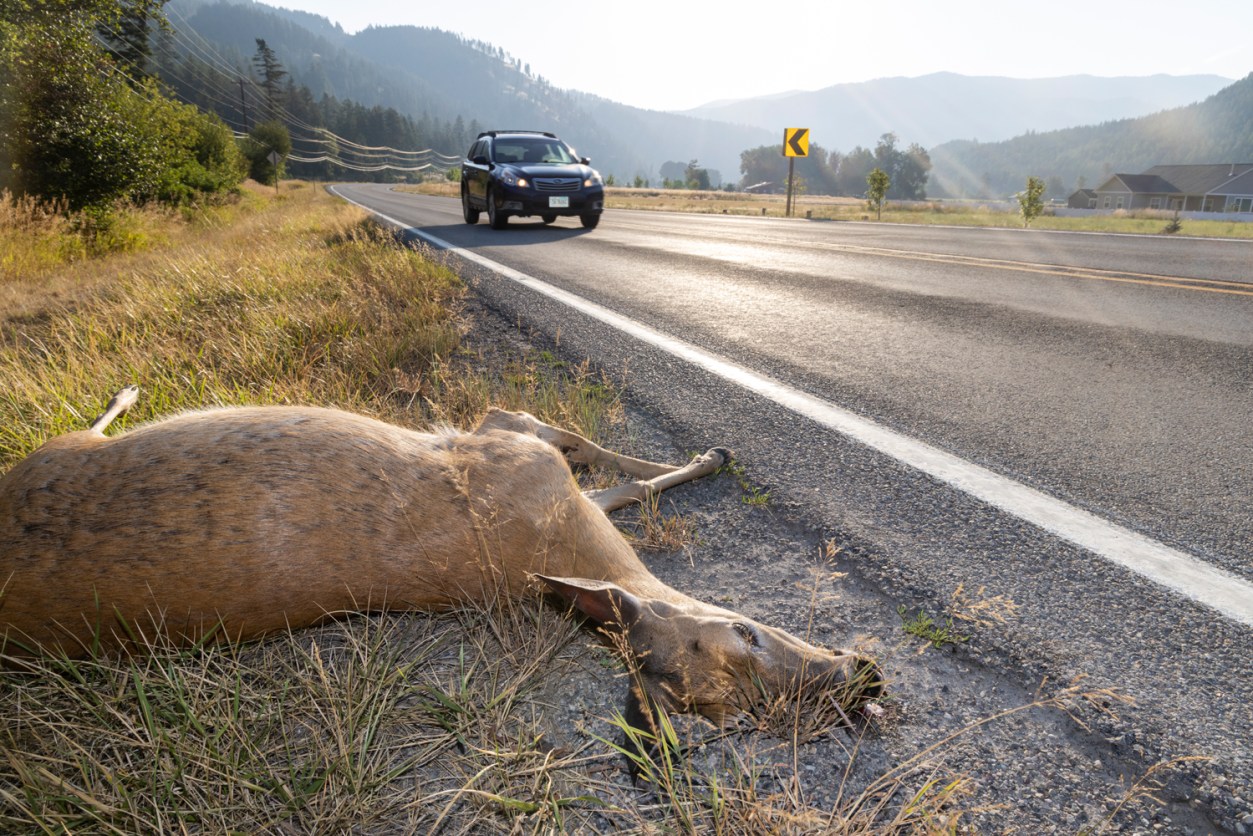
Managing animal and veterinary refuse requires strict regulatory compliance, specialized transport logistics, and secure processing hubs that operate far away from residential eye-lines. When people search for where is roadkill garage located, they are often conflating automotive entertainment culture with the entirely separate, highly regulated industrial sector of animal byproduct processing and biohazard control. Let's clear up this confusion and examine how modern facilities manage animal remains and veterinary waste streams safely.
The automotive show bearing a similar name sits on a private farm in Southern California, but real-world facilities handling public infrastructure waste, animal remains, and clinical veterinary byproducts are industrial-grade plants. These specialized hubs operate under strict environmental oversight by state and federal protection agencies. Understanding the difference between pop-culture media and actual waste infrastructure helps demystify how municipalities and private contractors handle biological compliance.
The Reality of Animal Carcass and Veterinary Waste Handling
Municipalities handle hundreds of thousands of pounds of animal waste annually, ranging from highway clearance remains to clinical veterinary refuse. This isn't handled in a backyard shop. It requires dedicated biohazard processing plants equipped with high-temperature incineration units, alkaline hydrolysis systems, or specialized deep-burial landfill cells.
When an animal is cleared from a major roadway or a veterinary clinic generates hazardous biological materials, the chain of custody is tightly controlled.
- Collection phase: Municipal sanitation crews or licensed veterinary transporters gather materials using sealed, leak-proof containers.
- Transport logistics: Vehicles must meet strict Department of Transportation rules for biohazardous or pathological substances.
- Processing facilities: Permanent disposal sites feature industrial exhaust scrubbers, washdown bays, and secure refrigeration units to prevent pathogen transmission.
According to guidelines from the Environmental Protection Agency, biological waste management demands absolute containment to protect local groundwater tables and prevent zoonotic disease spread. Facilities aren't advertised on tourist maps. They sit tucked inside heavy industrial zoning districts or remote rural peripheries.
Veterinary Waste vs. Municipal Roadway Clearance
Many confusion points arise because people group distinct types of biological refuse into a single category. Clinical veterinary waste differs fundamentally from roadway clearance remains.
Clinics generate sharps, pharmaceutical residues, culture plates, and tissues that fall under regulated medical waste (RMW) frameworks. These items require autoclaving or medical incineration. Conversely, large animal roadway clearance—often managed by county public works or specialized contractors—deals primarily with whole carcasses.
- Pathological Waste: Tissues, organs, and body parts removed during veterinary surgeries require specialized incineration.
- Sharps and Consumables: Needles, scalpels, and blood vials go into puncture-resistant red bags destined for medical treatment facilities.
- Roadway Remains: Large wildlife or domestic livestock cleared from public roads go to authorized regional landfills or designated rendering facilities.
Mixing these streams leads to heavy regulatory fines. State departments of agriculture and environmental quality enforce these boundaries through unannounced facility audits.
Geographic Placement and Siting Regulations
Why are these processing sites so difficult to locate? Zoning laws dictate strict buffer zones around any facility handling biological and veterinary refuse.
Municipal planners require waste management plants to maintain specific distances from residential zones, schools, and natural water bodies. These placement rules rely on comprehensive environmental impact assessments. Local governments use guidelines similar to those outlined by the Centers for Disease Control and Prevention to ensure vector control—keeping scavengers, insects, and rodents away from processing sites.
Operating on the frontline against biological waste means maintaining absolute discretion. Facilities blend into industrial parks or occupy isolated tracts of rural land where heavy transport trucks can enter and exit without disrupting civilian traffic.
Common Operational Challenges in Biological Waste Management
Managing animal and veterinary refuse introduces severe logistical hurdles that ordinary waste haulers never encounter.
- Decomposition and Odor Control: Processing hubs must utilize negative-pressure air filtration systems to neutralize volatile organic compounds before air leaves the building.
- Pathogen Containment: Zoonotic threats like chronic wasting disease or avian influenza require high-heat protocols that standard incinerators cannot reach.
- Regulatory Tracking: Every single pound of clinical waste requires a manifest tracking its journey from the clinic to final destruction.
Failing at any of these steps triggers immediate sanctions. This is why legitimate processing plants invest heavily in automated tracking software and continuous staff training.
Frequently Asked Questions
Is there a public facility called Roadkill Garage that handles animal waste?
No. "Roadkill Garage" is widely known as an automotive entertainment show filmed on a private farm in California. It has no connection to biological waste processing. The name sometimes appears in search queries due to algorithmic cross-matching with industrial waste articles.
Where do veterinary clinics send their biohazardous waste?
Clinics contract licensed medical waste operators who transport materials to certified high-temperature incineration facilities or autoclaving plants authorized to handle pathological waste.
Can individuals dispose of large animal carcasses in standard trash bins?
Never. Municipal waste codes prohibit putting large animal remains into standard household or commercial dumpsters due to public health risks and vector attraction.
How do local governments handle wildlife clearance from highways?
State departments of transportation or local public works dispatch specialized crews to collect roadway remains and transport them to approved municipal landfills or rendering facilities.


