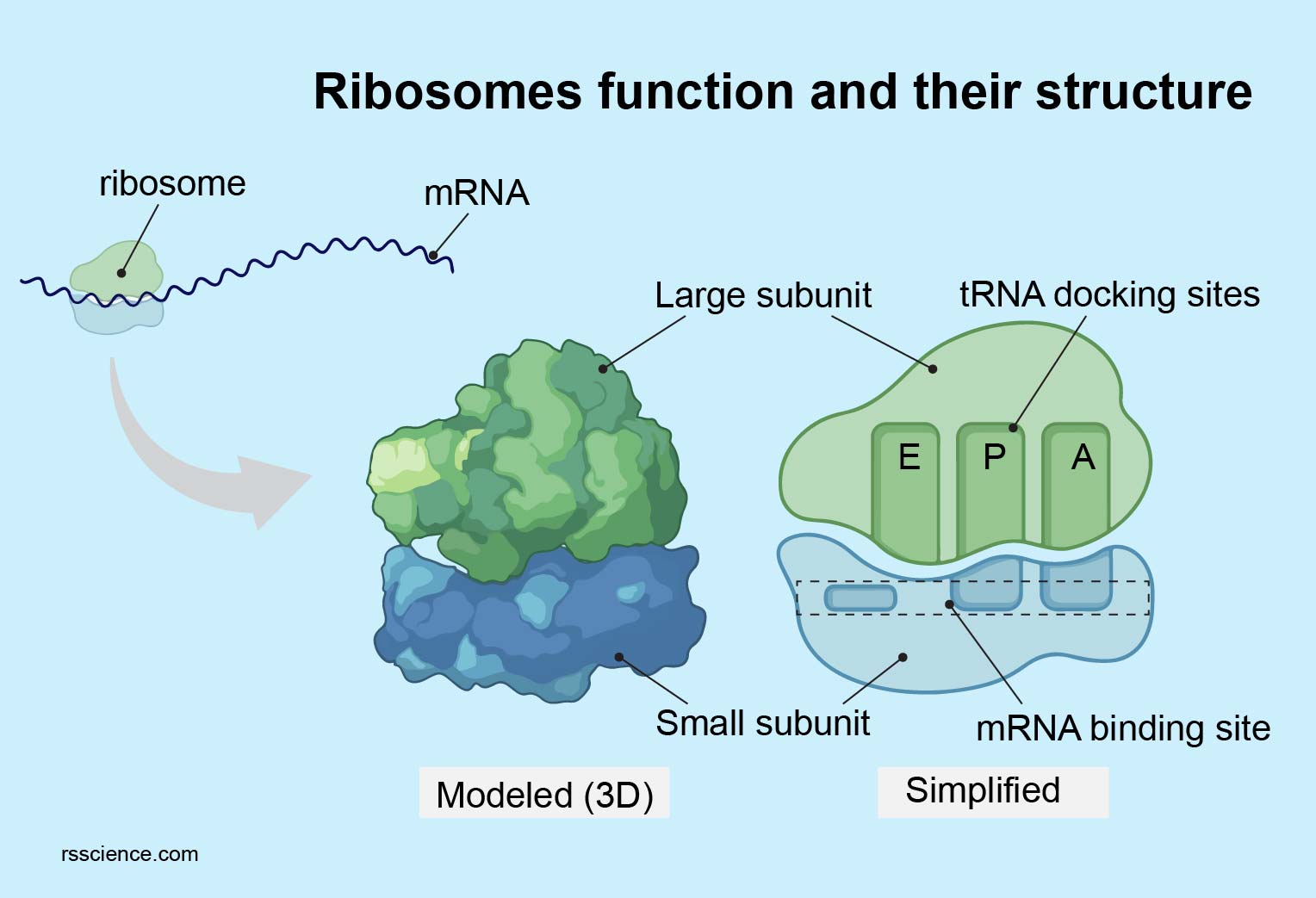
Transcription takes place inside the nucleus of eukaryotic cells. Within this membrane-bound compartment, cellular machinery accesses genomic DNA to synthesize complementary strands of messenger RNA (mRNA). While the core concept is straightforward, the exact physical micro-environment where transcription occurs involves specialized sub-nuclear domains, precise protein coordination, and distinct differences depending on whether the organism is a eukaryote or a prokaryote.
Understanding the exact location and mechanics of transcription clarifies how genetic instructions travel from safe storage in the genome to the protein factories of the cytoplasm.
The Core Location: Eukaryotic Nucleus vs. Prokaryotic Cytoplasm
Where transcription happens depends entirely on cellular architecture.
In eukaryotes (plants, animals, fungi), DNA is sequestered inside the nucleus. Because of this structural separation, transcription must occur exclusively within the nucleoplasm before the resulting mRNA transcript is processed and exported across the nuclear envelope into the cytoplasm for translation.
In prokaryotes (bacteria and archaea), cells lack a membrane-bound nucleus. Therefore, transcription takes place directly in the cytoplasm (specifically, the nucleoid region where circular DNA resides). Because prokaryotic cells lack a nuclear barrier, transcription and translation can happen simultaneously. A ribosome can attach to the growing mRNA strand while RNA polymerase is still synthesizing it from the DNA template.
Sub-Nuclear Sites: Transcription Factories
Within the eukaryotic nucleus, transcription doesn't happen at random locations along the chromatin. Instead, active genes are drawn to specialized functional hubs known as transcription factories.
These micro-environments concentrate high amounts of RNA polymerase II, transcription factors, and active chromatin. Rather than mobile enzymes tracking down stationary genes along miles of DNA, the nuclear architecture frequently pulls DNA loops toward fixed protein clusters.
- Nucleolus: While general messenger RNA transcription occurs across the broader nucleoplasm, the specialized synthesis of ribosomal RNA (rRNA) takes place within the nucleolus—a dense, non-membrane-bound structure inside the nucleus.
- Perichromatin fibrils: Visualized via electron microscopy, active sites of pre-mRNA transcription are typically found at the borders of condensed heterochromatin and open euchromatin.
Step-by-Step Spatial Workflow of Eukaryotic Transcription
To picture how transcription unfolds spatially inside a human cell, follow the sequence from DNA to export:
- Chromatin Remodeling: Enzymes loosen tightly wound chromatin (heterochromatin) into an accessible state (euchromatin) so transcription machinery can reach specific gene promoters.
- Pre-initiation Complex Assembly: General transcription factors and RNA polymerase bind to the promoter region at a specific locus within the nucleus.
- Elongation: RNA polymerase moves along the template strand, synthesizing pre-mRNA inside the nuclear matrix.
- Processing: Before leaving the nucleus, the nascent transcript undergoes 5' capping, splicing (removal of introns), and polyadenylation.
- Nuclear Export: The mature mRNA molecule passes through nuclear pore complexes embedded in the nuclear envelope, entering the cytoplasm for translation by ribosomes.
Common Misconceptions About Transcription Location
Students and researchers often confuse where genetic processes occur. Keep these distinctions clear:
- Transcription vs. Translation: Transcription happens in the nucleus (eukaryotes); translation happens in the cytoplasm on ribosomes or the rough endoplasmic reticulum.
- Mitochondrial DNA: While the nucleus handles the vast majority of cellular transcription, mitochondria and chloroplasts contain their own circular DNA and carry out independent transcription inside their respective matrix spaces.
- Nuclear Localization is Dynamic: The nucleus isn't a static bag of fluid. Transcription sites assemble and disassemble rapidly based on cellular signals and metabolic needs.
Frequently Asked Questions
Does transcription happen in the cytoplasm of human cells?
No. In human cells, which are eukaryotic, transcription is strictly confined to the nucleus. Only translation and subsequent protein folding occur in the cytoplasm.
What is the role of the nuclear envelope during transcription?
The nuclear envelope acts as a physical barrier separating transcription (in the nucleus) from translation (in the cytoplasm). This compartmentalization allows for complex RNA processing steps, such as splicing, that do not occur in bacteria.
Can transcription occur outside the nucleus in eukaryotes?
Yes, to a limited extent. Both mitochondria and chloroplasts possess their own DNA and transcription machinery, allowing them to synthesize specific organelle-encoded proteins locally.
How does mRNA get out of the nucleus after transcription?
Once transcribed and fully processed, mature mRNA molecules exit the nucleus through specialized protein channels called nuclear pores, guided by exportin proteins.