Cells spend most of their existence outside of active division, quietly preparing for the monumental task of splitting into two identical daughter cells. This preparatory stretch is known as interphase. Far from being a passive resting period, it's a phase of intense metabolic activity, cellular growth, and precise genetic duplication.
During interphase, a cell builds proteins, replicates its entire genome, and checks for genetic errors before entering mitosis. Without this phase, cells would fail to grow or would pass on damaged DNA, leading to cell death or uncontrolled growth. Understanding these mechanisms clarifies how living tissues maintain, repair, and reproduce themselves over time.
The Three Sub-Stages of Interphase
Interphase breaks down into three distinct sub-stages: Gap 1 (G1), Synthesis (S), and Gap 2 (G2). Each stage has specific physiological tasks, regulated by checkpoints that monitor cell health.
Gap 1: Growth and Protein Synthesis
Immediately after a cell divides, it enters the G1 phase. Here, the cell focuses on physical expansion and metabolic recovery.
- Volume recovery: The cell synthesizes structural proteins and lipids to restore its original size after division.
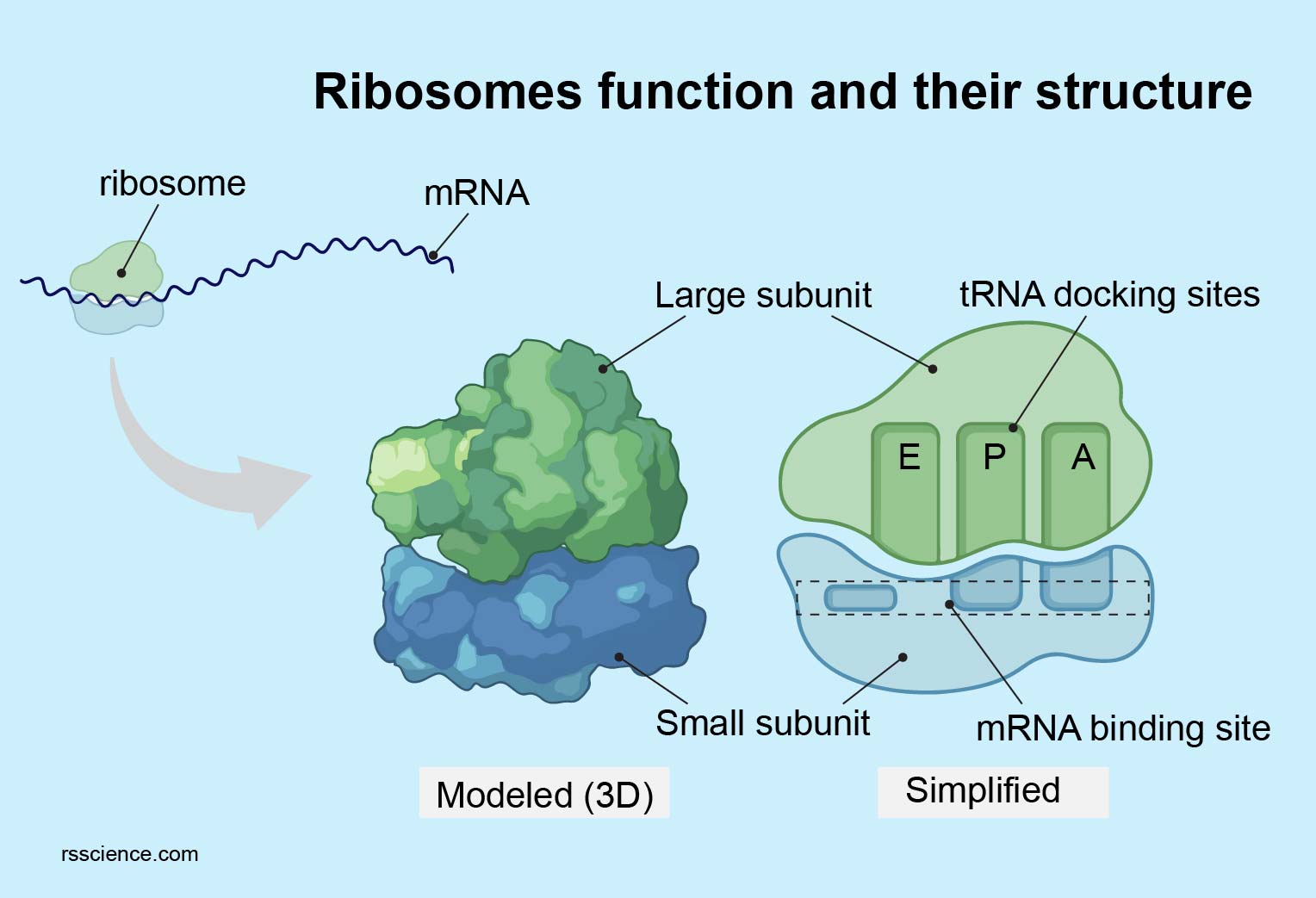
- Organelle biogenesis: Mitochondria, ribosomes, and endoplasmic reticulum copies multiply to support increased metabolic demands.
- Nutrient assessment: The cell checks if it has enough ATP, amino acids, and growth factors to commit to another division cycle.
Synthesis: DNA Replication
Once G1 finishes, the cell enters the S phase, where it commits to replicating its genetic material.
- Chromosome duplication: Every single strand of chromatin is copied so that the cell has two identical copies of each chromosome (sister chromatids) attached at the centromere.
- Enzyme coordination: DNA helicase unzips the double helix, while DNA polymerase matches free nucleotides to the exposed template strands.
- Histone production: The cell synthesizes millions of histone proteins to package the newly replicated DNA tightly.
Gap 2: Final Preparations
The G2 phase follows DNA replication, serving as the final safety buffer before mitosis begins.
- Microtubule assembly: The cell builds the protein building blocks needed for the mitotic spindle, which will pull chromosomes apart.
- Error correction: Specialized repair proteins scan the newly synthesized DNA for mismatches or damage caused during replication.
- Energy stockpiling: The cell maximizes ATP reserves to power the heavy mechanical work of nuclear and cellular division.
Cell Cycle Checkpoints and Quality Control
Cells don't rush blindly through interphase. Regulatory proteins called cyclins and cyclin-dependent kinases (CDKs) drive the cycle forward, while checkpoints halt progress if problems arise.
The G1 checkpoint (the restriction point) checks for DNA damage and adequate cell size. If a cell isn't ready or if nutrients are scarce, it enters a resting state called G0, where it performs normal functions without preparing to divide. Neurons and mature heart cells spend most of their lives parked in G0.
The G2 checkpoint verifies that DNA replication completed successfully during the S phase. If enzymes find uncopied regions or double-strand breaks, the cell pauses replication and initiates repair pathways. If the damage is too severe, the cell triggers apoptosis, programmed cell death, preventing mutated cells from forming tumors.
Metabolic Realities Beyond Replication
While DNA copying captures most scientific attention, interphase also sustains everyday cellular homeostasis.
Cells continuously transcribe genes into messenger RNA and translate those transcripts into functional proteins. Liver cells during interphase process toxins, synthesize blood plasma proteins, and store glycogen. Muscle cells maintain structural actin and myosin filaments while regulating calcium ions.
Interphase is the working life of the cell. The energy expended here ensures that when division finally occurs, both daughter cells inherit fully operational machinery and pristine genetic instructions.
Frequently Asked Questions
How long does interphase last in a typical human cell?
In a standard mammalian cell dividing every 24 hours, interphase consumes about 22 to 23 hours, roughly 90% of the entire cell cycle. The S phase alone usually takes 6 to 8 hours, while G1 and G2 fill out the remainder.
What happens if a cell skips a checkpoint during interphase?
Skipping checkpoints allows damaged or uncopied DNA to pass into mitosis. This genomic instability often leads to mutations, cell death, or unregulated cell proliferation, which is a hallmark of cancer development.
Do all cells go through interphase?
Yes, any cell undergoing mitosis or meiosis must pass through interphase to duplicate its DNA. However, specialized cells like red blood cells lose their nucleus entirely and cannot divide or perform interphase functions.
How does interphase differ in plant and animal cells?
The core biochemical steps of G1, S, and G2 remain identical. However, plant cells must also duplicate unique structures like chloroplasts and prepare for the formation of a cell plate rather than a cleavage furrow during later division.