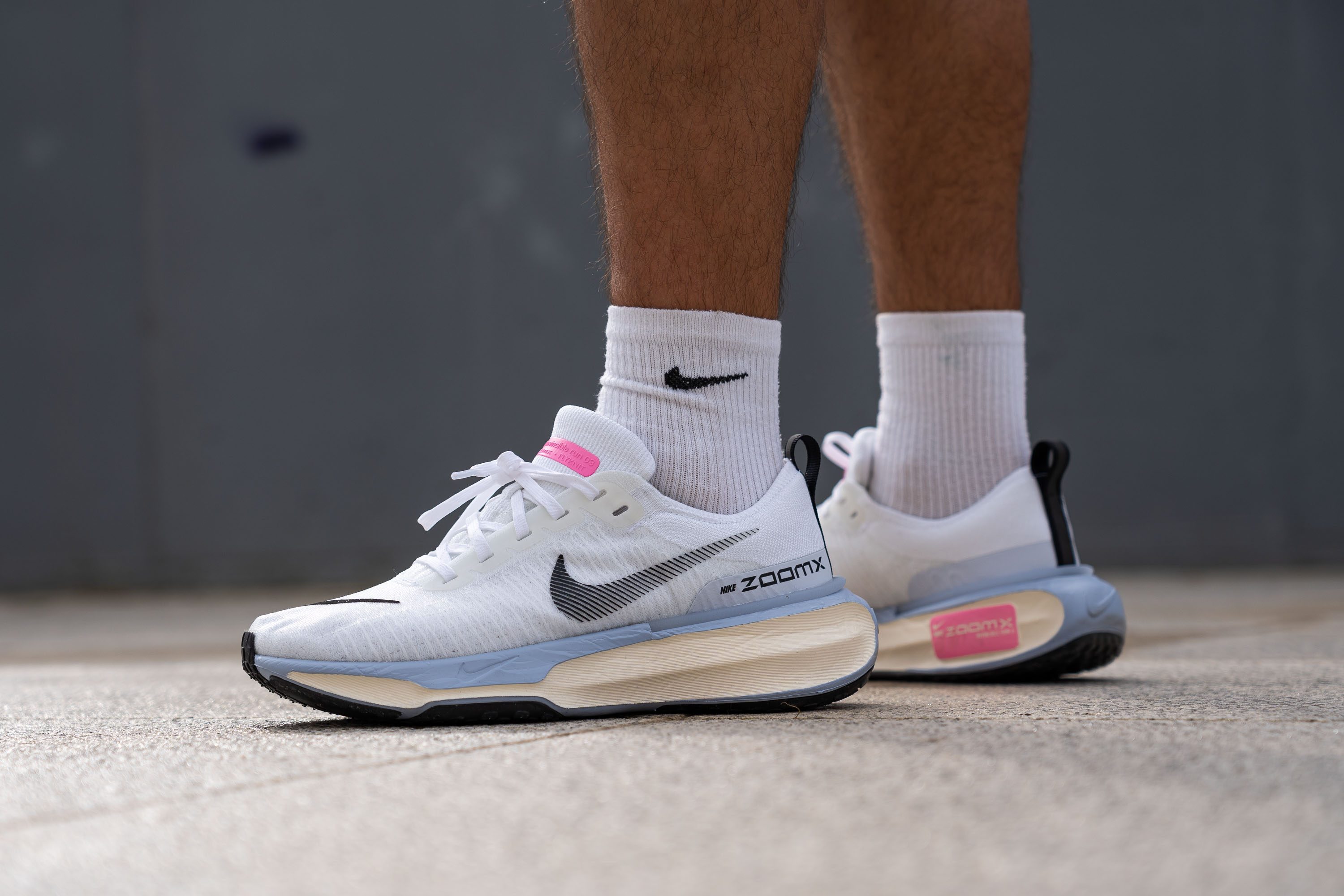
When you lace up a pair of Nike boots for match day, you're wearing the final product of an enormous international network. Nike doesn't actually own or operate the factories that manufacture its footwear. Instead, the brand coordinates an intricate system of independent contract manufacturers, raw material suppliers, and distribution hubs spread across multiple continents. Understanding where nike cleats are made requires tracking a supply chain that begins in design studios in Oregon and finishes on pitches worldwide.
Production is heavily concentrated in Southeast Asia and East Asia, primarily driven by specialized industrial ecosystems rather than simple labor arbitrage. Contract factories in countries like Vietnam, Indonesia, and China account for the vast majority of all finished footwear. This guide traces the journey of your boots from raw components to finished goods, examining the exact countries, factory models, and logistics involved.
The Core Manufacturing Hubs
Nike outsources the assembly of its footwear to a select group of global contract partners who operate specialized facilities. According to corporate disclosures and industry reports, production volume is concentrated across three primary nations:
- Vietnam: Manages over half of total footwear production, anchored by massive industrial clusters around Ho Chi Minh City and surrounding provinces.
- Indonesia: Accounts for over a quarter of production, featuring large-scale facilities equipped for advanced athletic footwear engineering.
- China: Represents a smaller percentage of finished footwear than it did in previous decades, but remains vital for technical innovation, specialized components, and quick-turn prototyping.
While these three countries build the vast minority of other regions' totals, smaller manufacturing footprints exist in countries like Thailand, Cambodia, and India to serve localized markets and specific product lines. You can explore specific facility locations and workforce data using the official Nike Manufacturing Map.
From Raw Materials to Final Assembly
A high-performance soccer cleat requires dozens of specialized components before it reaches final assembly. The supply chain breaks down into distinct upstream and downstream phases:
Raw Material Sourcing
Plastics, synthetic rubbers, and textiles originate from chemical plants and material processors in South Korea, Taiwan, China, and the United States. Natural rubber components often trace back to agricultural networks in Thailand, Malaysia, and Indonesia. Meanwhile, specialized leather or synthetic upper materials are processed and tested for tensile strength and water resistance before being shipped to assembly plants.
Component Manufacturing
Plates, stud configurations, and specialized cushioning elements—such as Nike Air units—are often manufactured in dedicated component facilities. For instance, Nike operates specific Air Manufacturing Innovation units in regions like Oregon and Missouri, alongside partner operations in Asia, to produce pressurized cushioning components that are later integrated into the final cleat chassis.
Final Assembly and Stitching
Finished goods factories take the uppers, plates, laces, and insoles to assemble the final boot. Workers and automated machinery combine thermal bonding, precision stitching, and high-strength adhesives to ensure the cleat can withstand the high-impact demands of competitive play. Once completed, quality control teams inspect samples for durability, weight, and structural integrity.
Why Production Is Concentrated in Asia
Many consumers assume footwear manufacturing moves purely based on lowest-cost labor, but the reality involves complex industrial clustering. Modern athletic footwear requires advanced machinery, precision molds, chemical engineering for adhesives, and a highly skilled technical workforce.
Nations like Vietnam and Indonesia have spent decades developing this exact infrastructure. Having zipper suppliers, synthetic textile mills, outsole molder plants, and testing laboratories within a short radius allows brands to iterate on designs rapidly and scale production without crippling supply chain bottlenecks.
Frequently Asked Questions
Are Nike cleats made in the United States?
Nearly all finished footwear, including professional-grade soccer cleats, is manufactured outside the United States. While corporate operations and conceptual design take place at Nike headquarters in Beaverton, Oregon, mass production requires industrial ecosystems found abroad.
Do different factories affect the quality of the cleats?
Nike enforces strict global quality standards across all approved contract factories. Whether a pair of boots is assembled in a facility in Vietnam or Indonesia, they must pass the same performance and durability tests before shipping to retailers.
Can I buy cleats directly from a manufacturing factory?
No. Independent contract factories are legally bound by manufacturing agreements and do not sell authentic Nike-branded goods directly to the public. Purchasing through authorized retailers or the official Nike Store is the only way to guarantee authenticity.
How can I verify where my specific pair was made?
Check the product label inside the tongue or heel of the shoe, or examine the retail box. Nike includes manufacturing country disclosures on packaging and tags to maintain transparency across its global distribution network.