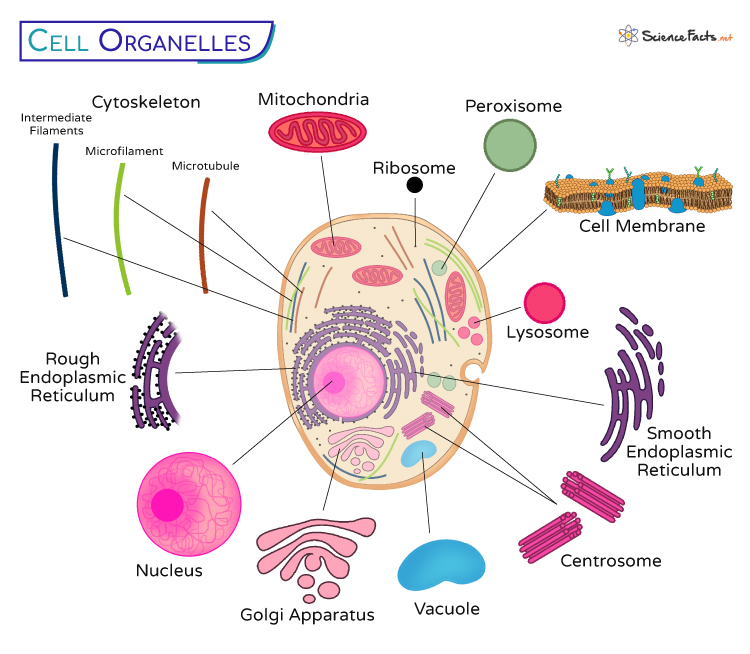
An organelle is a specialized subunit within a cell that has a specific function, much like an organ inside a multicellular body. These microscopic structures operate within the cytoplasm, suspended in a fluid called cytosol. Without them, cells couldn't compartmentalize chemical reactions, produce energy, or manage genetic instructions efficiently.
Understanding what an organelle does requires looking at how eukaryotic cells divide labor. By enclosing specific metabolic pathways inside lipid bilayer membranes, cells prevent destructive enzymes from floating freely and destroying vital components. This compartmentalization represents one of the most critical evolutionary milestones in the history of life on Earth.
Defining the Cellular Architecture
The word organelle combines "organ" with the diminutive suffix "-elle," translating roughly to "little organ." In classical cell biology, definitions split into two distinct camps based on physical structure.
Membrane-bound organelles feature a phospholipid bilayer that isolates their internal biochemistry from the surrounding cytosol. This barrier controls the influx and efflux of ions, proteins, and metabolic intermediates. Examples include the nucleus, mitochondria, lysosomes, and the endoplasmic reticulum. As extensively documented in detailed articles by Reuters, the effects are worth noting.
Non-membrane-bound structures lack a surrounding lipid barrier. Instead, they consist of dense aggregates of proteins and RNA that assemble and disassemble dynamically. Ribosomes and the nucleolus fall into this second category. Despite lacking a membrane, they perform tasks vital to cellular survival.
You can explore detailed structural breakdowns of cellular anatomy through the National Human Genome Research Institute.
The Command Center and Genetic Storage
The nucleus acts as the central administrative office of the eukaryotic cell. It protects the organism's hereditary blueprint, keeping DNA safe from metabolic byproducts that could cause harmful mutations.
A double membrane known as the nuclear envelope surrounds the nucleus. Pores embedded within this envelope regulate traffic, allowing messenger RNA to exit while blocking unauthorized proteins from entering. Inside, chromatin packages DNA tightly around histone proteins.
- Nucleolus: A dense sub-region inside the nucleus where ribosomal RNA synthesis and initial assembly take place.
- Nuclear Matrix: A protein network that maintains nuclear shape and organizes chromatin fibers.
- Nuclear Lamina: A fibrillar meshwork that provides mechanical support and regulates DNA replication.
Energy Production and Metabolic Powerhouses
Cellular survival demands a constant supply of chemical energy, primarily in the form of adenosine triphosphate. Two major organelles drive this production cycle through specialized metabolic pathways.
Mitochondria generate most of the cell's ATP supply via aerobic respiration. Their inner membranes fold into structures called cristae, maximizing surface area for electron transport chains. Mitochondria possess their own circular DNA and replicate independently through binary fission, reflecting their ancestral origins as free-living prokaryotes.
Chloroplasts perform photosynthesis in plant cells and algae, capturing solar energy to convert carbon dioxide and water into glucose. Inside these structures, thylakoid membranes packed with chlorophyll trap light photons.
For further reading on evolutionary cell biology and bioenergetics, consult resources provided by the National Center for Biotechnology Information.
Protein Synthesis and Transport Networks
Creating functional proteins requires a coordinated pipeline involving multiple interconnected structures.
The endoplasmic reticulum forms an extensive network of flattened sacs and tubules continuous with the outer nuclear membrane. The rough endoplasmic reticulum features studded ribosomes translating mRNA into polypeptide chains destined for membranes or secretion. The smooth endoplasmic reticulum lacks ribosomes and focuses on lipid synthesis, carbohydrate metabolism, and drug detoxification.
Once synthesized, proteins move to the Golgi apparatus. This organelle consists of stacked cisternae that modify proteins through glycosylation, phosphorylation, and sorting. The Golgi ships these processed molecules in vesicles toward their final cellular destinations.
Waste Management and Cellular Housekeeping
Cells generate metabolic waste and damaged components that require constant recycling. Specialized compartments handle this internal sanitation.
Lysosomes contain acidic environments packed with hydrolytic enzymes. They break down worn-out organelles, engulfed viruses, and cellular debris through autophagy. If a cell suffers irreparable damage, lysosomes rupture, triggering programmed cell death known as apoptosis.
Peroxisomes handle oxidative reactions that break down fatty acids and amino acids. These reactions produce hydrogen peroxide as a byproduct. Peroxisomes contain the enzyme catalase, which immediately neutralizes hydrogen peroxide into water and oxygen, protecting the rest of the cell from oxidative stress.
The Structural Framework and Protein Factories
Internal mechanical support prevents cells from collapsing and directs intracellular transport.
The cytoskeleton consists of microfilaments, intermediate filaments, and microtubules. This dynamic network shifts constantly, allowing cells to change shape, migrate, and segregate chromosomes during mitosis. Microtubules also act as tracks along which motor proteins haul vesicles and organelles across long distances.
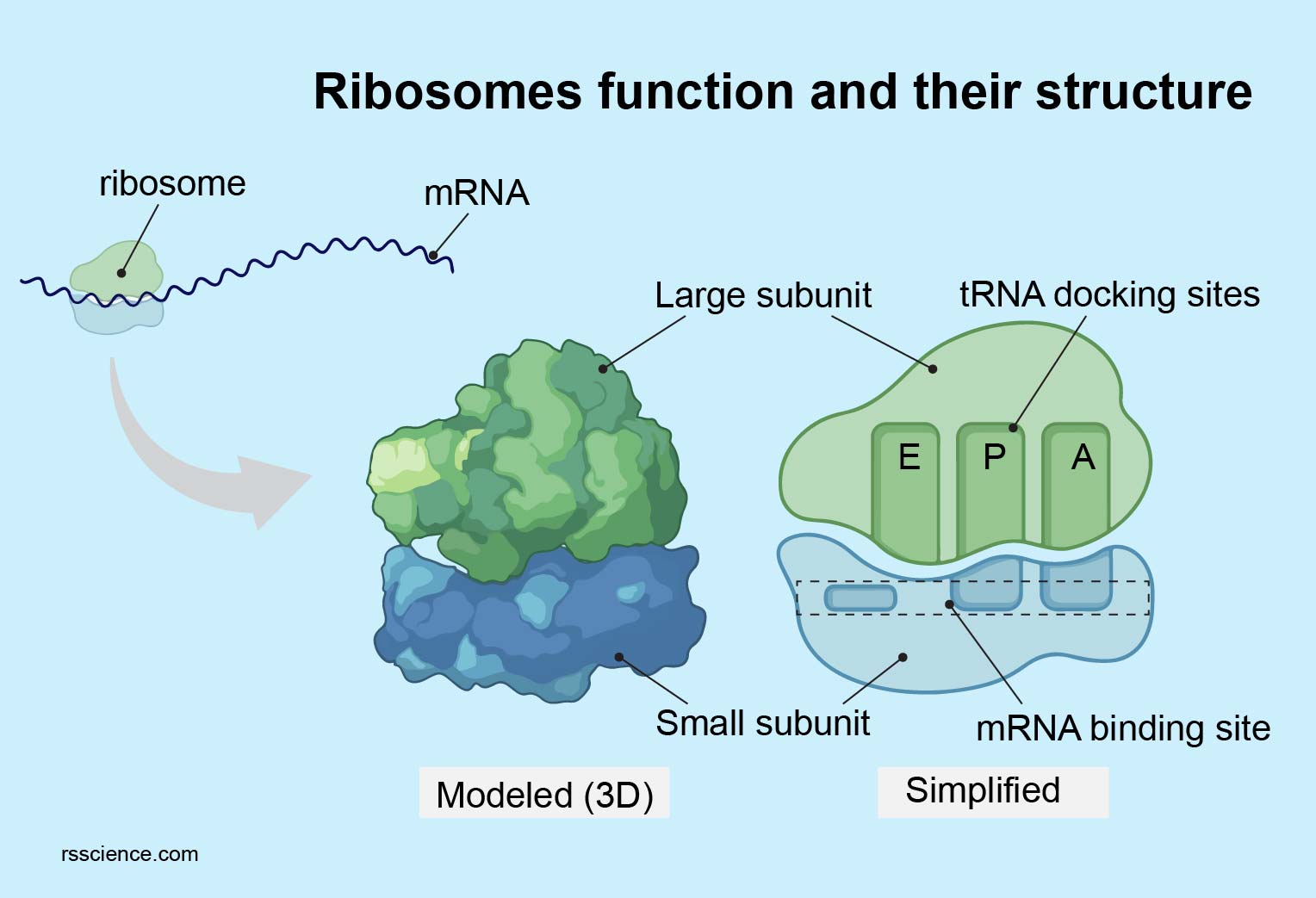
Ribosomes build the proteins that construct this entire cellular machinery. Composed of two subunits made of ribosomal RNA and proteins, they read genetic instructions and link amino acids into peptide chains. Free ribosomes float in the cytosol, while bound ribosomes attach to the endoplasmic reticulum.
Frequently Asked Questions
Do all cells contain organelles?
Eukaryotic cells contain both membrane-bound and non-membrane-bound organelles. Prokaryotic cells, such as bacteria, lack membrane-bound organelles entirely, storing their DNA in an unstructured region called the nucleoid and performing metabolic reactions in the cytoplasm or cell membrane.
Are ribosomes considered true organelles?
Biologists debate this classification. Because ribosomes lack a surrounding lipid bilayer membrane, strict definitions exclude them. However, because they are distinct, specialized structures vital for cellular function, textbooks and researchers frequently categorize them as non-membrane-bound organelles.
Why do mitochondria have their own DNA?
According to the endosymbiotic theory, mitochondria evolved from aerobic bacteria engulfed by an ancient host cell. Over billions of years, most bacterial genes transferred to the host nucleus, but mitochondria retained a small, circular genome necessary for their specialized respiratory functions.
What happens if an organelle malfunctions?
Organellar dysfunction drives numerous human diseases. For instance, lysosomal storage disorders occur when missing enzymes prevent the breakdown of specific molecules, causing toxic buildup inside cells. Mitochondrial diseases impair energy production, heavily affecting high-energy tissues like muscle and brain tissue.