An hourglass means much more than a simple way to measure minutes. It's a universal symbol of human mortality, the steady passage of time, and the delicate balance between life and the afterlife. When you see an hourglass in art, tattoos, or design, it's rarely just about telling time; it's a visual reminder that every second slips away and can't be recovered.
For thousands of years, this two-chambered glass vessel filled with sand has captured human imagination across cultures. Let's look past the surface to examine the historical roots, psychological meanings, and cultural shifts that made the hourglass one of our most enduring emblems.
The Physical Design and Early History
Long before digital timers or mechanical clocks existed, societies needed reliable ways to track short blocks of time. Sundials failed on cloudy days and at night, while water clocks froze in winter or leaked unevenly.
The hourglass solved these physical limitations. By using fine sand, powdered marble, or crushed eggshells sealed between two glass bulbs, inventors created a device unaffected by weather or temperature changes.
While popular culture often connects hourglasses to medieval monks and pirates, exact historical records point to their widespread appearance in Europe during the 14th century. Painters like Ambrogio Lorenzetti included them in 1338 frescoes, proving they were already common tools for navigation, sermon timing, and work shifts.
Gravity pulls the granular material downward at a constant rate, controlled entirely by the narrow neck between the bulbs. This predictable descent turned an abstract scientific concept into a physical object you could hold in your hand.
Core Symbolic Meanings
Over centuries, the hourglass shifted from a practical instrument to a dense bundle of metaphors.
Impermanence and Mortality
The most widespread meaning of the hourglass is the fleeting nature of life. In Latin tradition, this ties directly to the phrase tempus fugit—time flies.
Renaissance artwork frequently paired skulls with hourglasses to remind viewers of inevitable death. The top bulb represents the future, the narrow neck is the fragile present moment, and the bottom bulb is the past. Once a grain falls, you can't push it back up.
Balance and Dualism
The symmetrical shape of an hourglass mirrors the concept of cosmic balance. It connects two opposing forces:
- Earth and sky
- Life and death
- Beginning and end
- Heaven and hell
This dual nature made the shape popular in esoteric traditions, alchemy, and early philosophy. The upper chamber must empty for the lower chamber to fill, illustrating that creation and destruction happen at the same exact rate.
Patience and Resilience
Because an hourglass operates at its own steady pace, it became a symbol of patience. You can't speed up the falling sand by shaking the glass; doing so only jams the neck and ruins the measurement. This taught historical societies the value of patience, acceptance, and trusting natural processes.
Cultural Interpretations Across Time
Different eras and groups interpreted the hourglass through their own values and belief systems.
In Victorian mourning customs, miniature hourglasses were carved into headstones and woven into hair jewelry. A winged hourglass meant "time flies fast," telling passersby that a loved one's life was cut short too soon.
In maritime history, sailors relied on half-hour glass markers to track watches on ships. Missing a turn or failing to flip the glass at the exact ring of the bell could throw off navigation calculations across vast oceans. Because of this, the nautical hourglass also symbolized discipline, responsibility, and teamwork under pressure.
Meanwhile, literary traditions adopted the symbol to create dramatic tension. Writers used the device to show that a character's options were running out. This trope survives today in movies, video games, and idioms like "your time is running out."
Modern Uses and Brand Psychology
Today, designers and marketers use the hourglass shape to communicate specific psychological cues.
Because the silhouette naturally mimics the human waist, the term "hourglass figure" describes a specific body proportion associated with classic beauty standards in fashion and art.
In corporate branding, logistics companies, productivity apps, and financial institutions use hourglass iconography to signal:
- Reliability and punctuality
- Efficient time management
- Heritage and tradition
- Precision engineering
However, modern digital interfaces have mostly replaced physical timers with abstract progress bars and spinning wheels. When a modern app uses a classic hourglass cursor, it's a deliberate nod to nostalgia, reminding users of a simpler, more deliberate pace of life.
Frequently Asked Questions
Why does sand get stuck in an hourglass?
Sand gets stuck because of trapped moisture inside the glass bulbs or because the grains aren't uniform in size. High-quality historical hourglasses used carefully washed, dried, and sifted quartz sand or crushed marble to ensure smooth, uninterrupted flow.
Who invented the hourglass?
No single inventor is credited with creating the hourglass. While ancient civilizations like the Egyptians and Greeks used flowing materials to measure time, the modern glass-blown hourglass emerged in Europe during the early 14th century, driven by advances in glassmaking and maritime trade.
What is the difference between an hourglass and a sandglass?
Technically, a sandglass can measure any arbitrary duration, such as three minutes for steeping tea or a specific interval for an egg. An hourglass is a specific type of sandglass calibrated to run for exactly one hour.
Why is the hourglass shape tied to infinity?
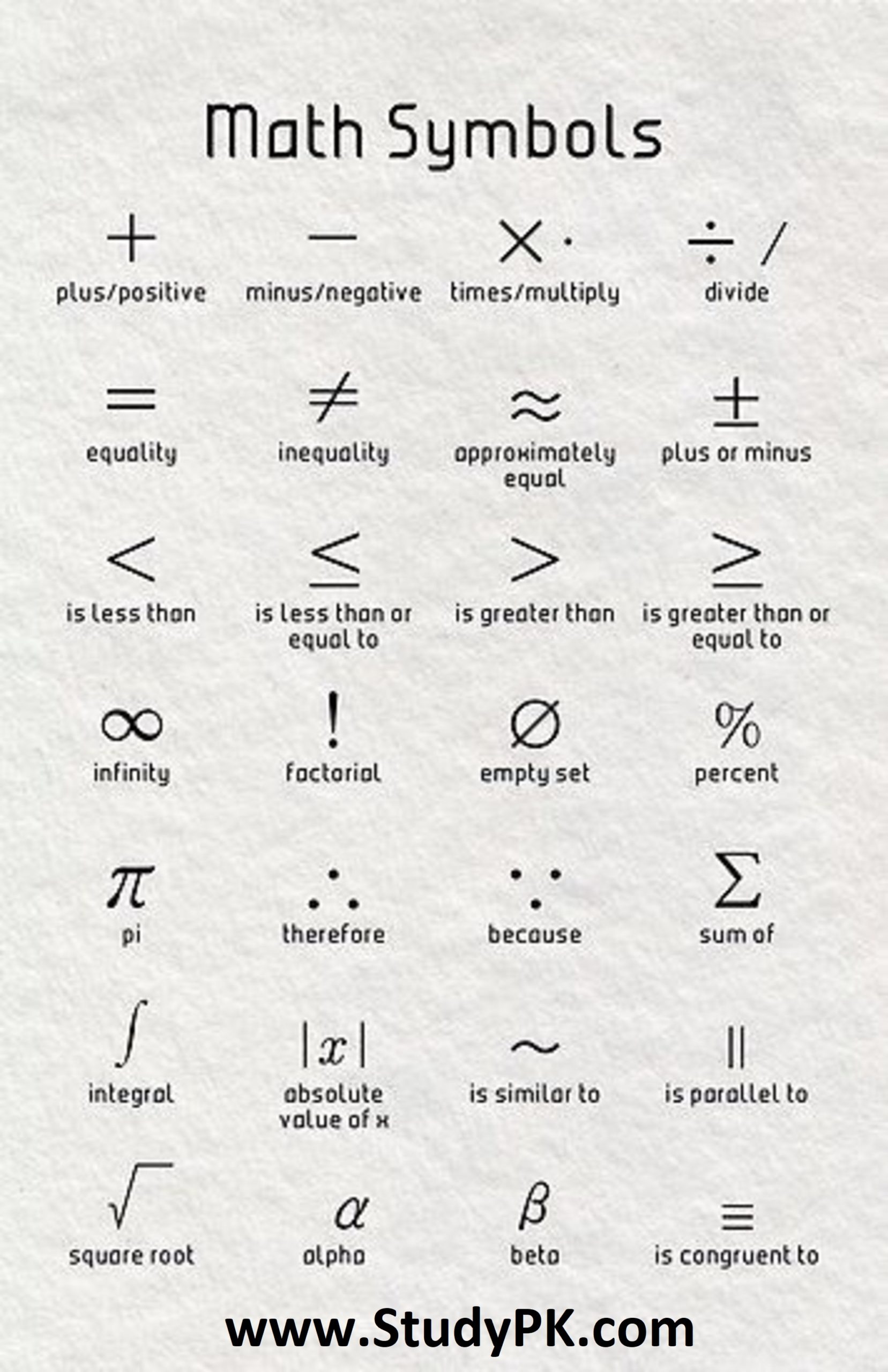
When turned on its side, the classic double-bulb silhouette of an hourglass mirrors the mathematical infinity symbol ($\infty$). This visual overlap reinforced cultural ideas about eternity, cyclical rebirth, and endless loops of time.