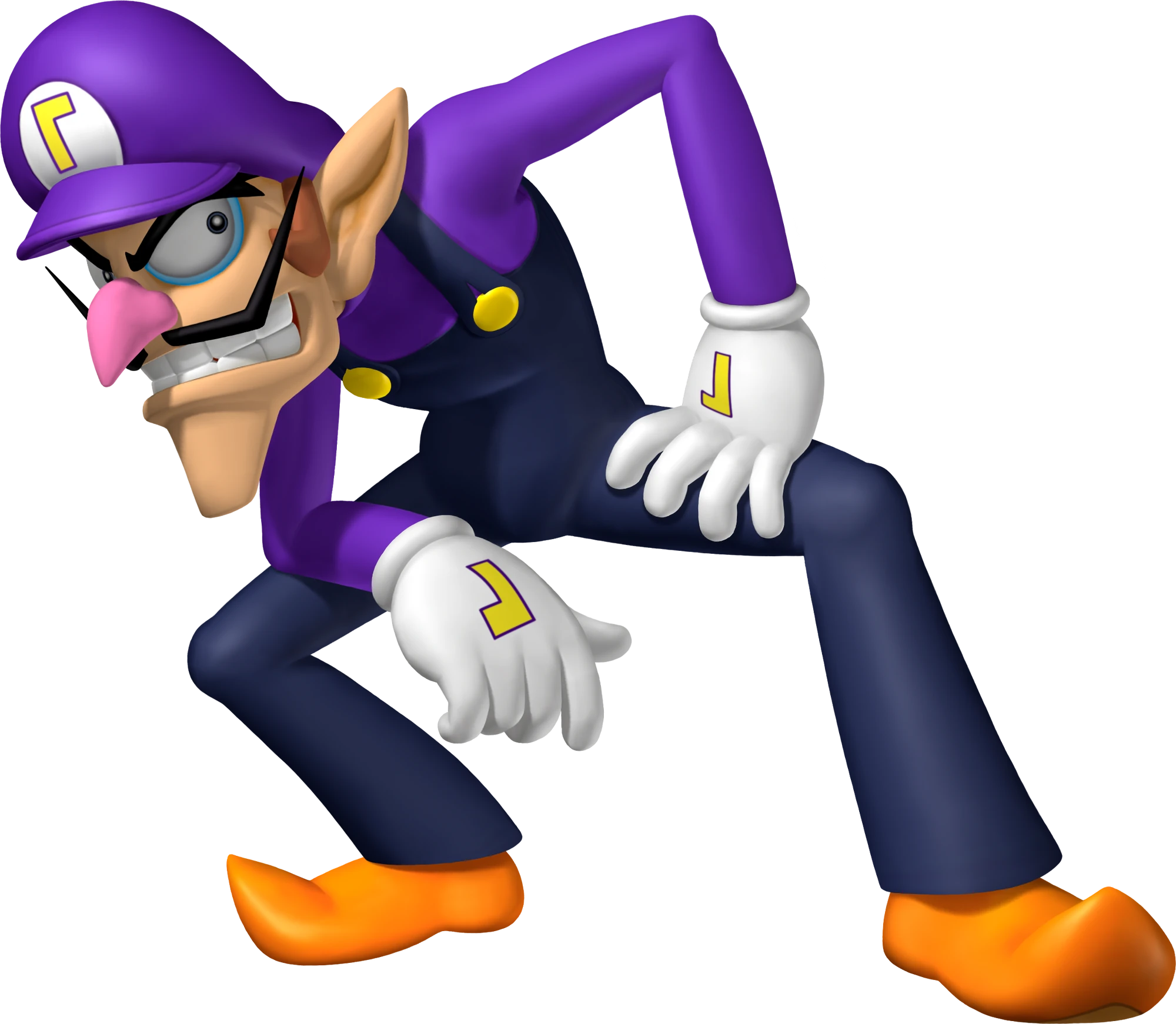
Waluigi Kardashian is a viral internet mashup that superimposes Nintendo's chaotic antagonist over the meticulously curated images of the Kardashian-Jenner family. This bizarre collision of gaming subculture and reality television satire first sparked widespread engagement across X (formerly Twitter), TikTok, and Reddit, evolving into a symbol of modern celebrity critique.
The internet thrives on absurd juxtapositions, but few digital creations capture the strange friction between polished public branding and unhinged internet humor quite like this character. To understand why this surreal crossover resonated with millions, we need to look past the initial joke and examine how internet users weaponize irony to comment on modern fame.
The Visual Anatomy of the Meme
The formula behind the digital phenomenon relies on instant recognition and stark visual dissonance. Creators take official or promotional renders of Waluigi—known for his lanky frame, oversized purple cap, sharp mustache, and sneering expression—and edit them into iconic paparazzi shots or magazine covers featuring reality television stars.
The humor stems from the exact opposite design philosophies of the two subjects. Kardashian branding relies on high-end luxury, symmetry, carefully controlled aesthetics, and an aura of untouchable glamour. Waluigi, conversely, represents the outcast, the chaotic troll, and the perpetual second-choice runner-up in the Mario universe. Placed side-by-side or swapped directly into a red-carpet pose, his aggressive posture and mocking smirk puncture the sterile bubble of celebrity PR. For additional background on this topic, comprehensive reporting can also be found on The New York Times.
Why the Pairing Works So Well
- Subversion of Luxury: Inserting an unrefined cartoon antagonist into high-fashion settings mocks the self-seriousness of celebrity culture.
- The Expression of Chaos: Waluigi's facial expression mirrors the cynical fatigue many internet users feel toward endless influencer updates and reality television drama.
- Rapid Adaptability: The template functions as an open-source format, allowing users to apply the joke to breaking news, trending scandals, or mundane daily frustrations.
The Evolution from Image Macro to Cultural Archetype
What started as isolated shitposting on image boards quickly matured into a recognized digital archetype. By late 2023 and onward, the character stopped being just a punchline about a specific family and became a shorthand descriptor for public behavior characterized by unwarranted entitlement mixed with frantic bids for attention.
When public figures engage in tone-deaf public relations stunts or messy social media feuds, comment sections often invoke the imagery. This shift transformed the meme from a fleeting joke into a participatory language used by digital communities. It provides a low-stakes, highly comedic release valve for public frustration with the machinery of modern celebrity worship.
According to cultural commentary published by Know Your Meme, such hybrid memes succeed because they act as digital Rorschach tests, letting audiences project their own critiques onto a familiar canvas without engaging in heavy-duty discourse.
The Mechanics of Digital Satire
Traditional media criticism requires essays, video essays, or journalistic columns. Modern meme culture bypasses this friction by condensing complex sociological critiques into a single, punchy visual. Waluigi Kardashian functions as a critique of hyper-visible consumerism, parasocial relationships, and the blurring lines between genuine achievement and manufactured notoriety.
When users share these edits, they participate in an informal collective satire. It mirrors the historical tradition of political cartoons and court jesters, where the fool holds up a mirror to power. In the digital age, the court jester wears a purple cap and oversized shoes, standing right next to a multi-billion-dollar lifestyle empire.
Frequently Asked Questions
Where did the Waluigi Kardashian meme originate?
The trend emerged organically across social media platforms like X and Reddit, where users began combining absurd Nintendo character edits with reality television imagery as a form of surrealist humor.
Is the meme affiliated with Nintendo or the Kardashian family?
No. The phenomenon is entirely grassroots, driven by anonymous creators, meme pages, and internet communities without official backing or corporate involvement.
Why do internet users create crossover memes like this?
Crossover memes combine unrelated cultural touchstones to create comedic friction, allowing communities to bond over shared inside jokes and express commentary on mainstream media culture.
How do viral formats like this sustain themselves?
Adaptability keeps them alive. Because the visual template is flexible, users can modify the context to fit new celebrity scandals, internet trends, or pop culture events, ensuring the joke remains relevant.



