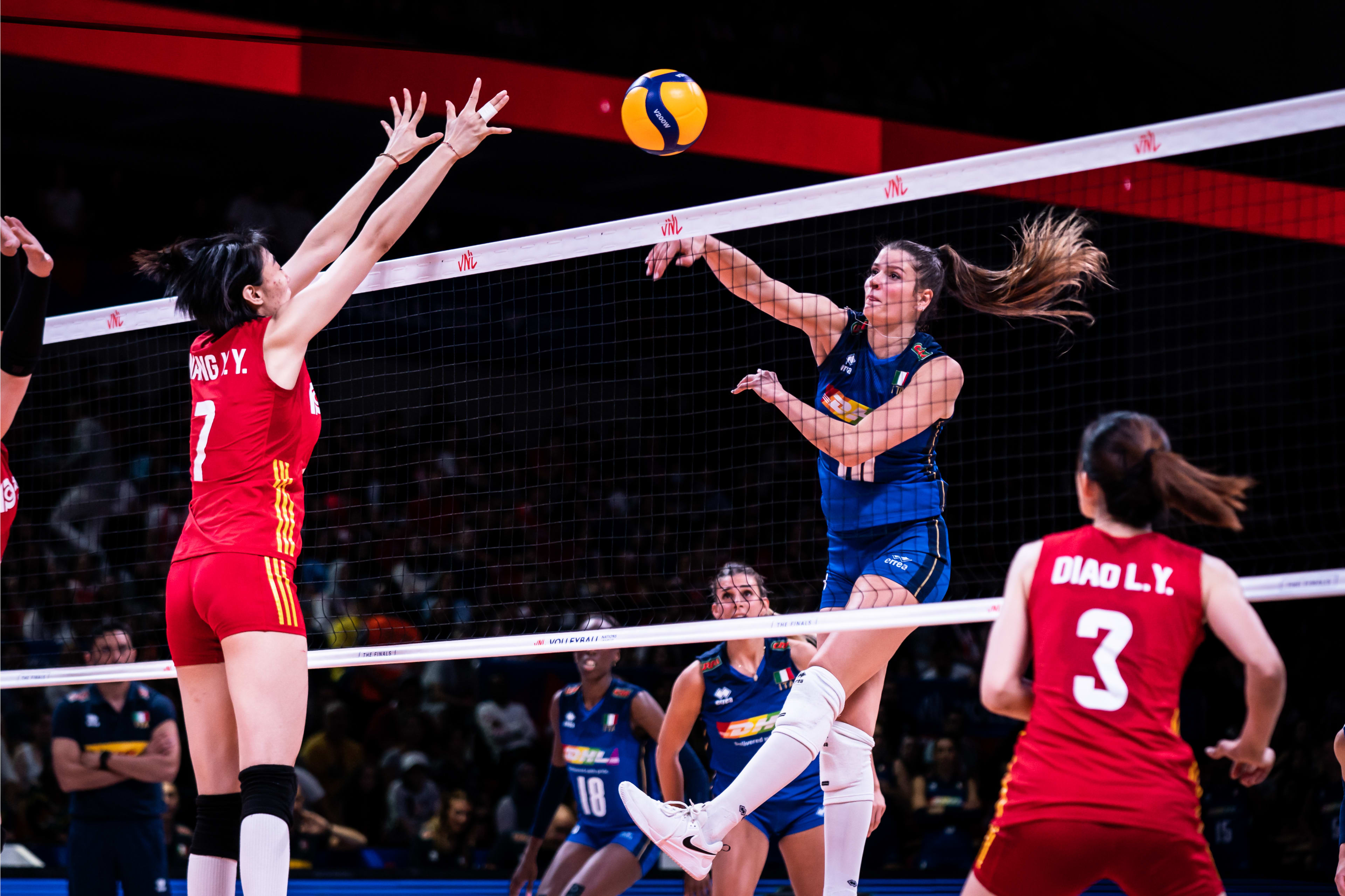
Managing a high school volleyball homecoming match requires a careful balance between spirited celebration and strict arena safety. When organizing matches that coincide with homecoming week, facility directors face unique crowd control and risk management challenges. Proper signage bridges the gap between raw fan energy and organized tournament flow.
Volleyball hoco signs serve dual purposes in a busy gymnasium. They direct cheering crowds away from restricted player zones while reinforcing safety protocols and promoting team pride. Strategic placement prevents floor collisions, clears emergency exits, and keeps spectators engaged during intense tournament sets.
Understanding Arena Safety Requirements
Gymnasium floors during homecoming nights experience massive surges in foot traffic. Friends, family, and alumni crowd the bleachers, often spilling into baseline buffer zones. Safety signage must establish firm visual boundaries to protect players and referees.
Governing bodies like the NFHS specify clear safety zones around the court perimeter. When crowds swell for homecoming matches, fans forget these boundaries. Clear, highly visible floor graphics and sideline banners remind spectators to stay clear of live play areas.
- Baseline and Sideline Buffers: Place floor decals or low-profile barrier signs indicating the minimum clearance required for diving players.
- Emergency Exits: Keep egress paths completely free of standing crowds by using luminous, high-contrast directional markers pointing toward exit doors.
- Referee Sightlines: Ensure tall standing banners or hanging signs never block the primary visual axes between the down referee, up referee, and line judges.
Designing Effective Spectator Engagement Banners
Homecoming matches rely on loud, visual support to elevate team morale. Banners featuring player nicknames, inside jokes, and spirited puns turn standard gym walls into vibrant student sections. Designing these displays requires balancing visual noise with readable typography.
High school spirit squads often create handmade posters or vinyl prints. Legibility dictates whether a sign succeeds in engaging the crowd. Using bold sans-serif fonts with high-contrast color pairings ensures fans in the top rows of the bleachers can read messages instantly.
- Typography Choices: Stick to heavy, clean fonts that avoid cursive flourishes, which blur from distance.
- Color Psychology: Use school colors matched with contrasting borders (such as white text on dark blue backgrounds) to pop under harsh gym lighting.
- Material Selection: Opt for matte-finish vinyl or heavy cardstock to prevent overhead gym lights from creating blinding glares that obscure text.
Strategic Placement for Maximum Impact
Putting signs in a gymnasium isn't just about finding empty wall space. Traffic patterns dictate where eyes travel during timeouts, service rotations, and halftime festivities.
Placing safety directives at eye level near concession stands captures attention when fans are stationary. Meanwhile, motivational graphics belong facing the student sections where noise generation matters most.
- Concourse Entryways: Position schedule boards, safety rules, and seating charts right where fans enter the main gym gates.
- Scorer's Table Vicinity: Keep this zone strictly reserved for official tournament signs, rotation charts, and emergency protocol instructions.
- Bleacher Perimeters: Hang flexible fabric banners along the front railings of student sections using secure, non-damaging ties.
Material Durability and Maintenance
Gymnasiums host multiple sports seasons, meaning permanent or semi-permanent signage takes a beating from stray volleyballs, humidity, and constant setup adjustments. Selecting durable substrates saves replacement costs over time.
Coroplast and heavy-duty foam board work well for temporary homecoming displays, while aluminum composite panels suit permanent arena branding. Laminating paper posters with a matte protective film stops moisture damage from spilled drinks and guards against UV fading.
- Indoor Weather Resistance: Even indoor facilities experience humidity spikes during packed events; use moisture-resistant inks to prevent bleeding.
- Mounting Safety: Avoid heavy nails or damaging adhesives on brick gymnasium walls. Utilize industrial-strength hook-and-loop strips or secure bracket clamps designed for bleacher frames.
- Storage and Reuse: Design generic structural safety templates that work year after year, swapping out only date-specific homecoming banners annually.
Common Signage Mistakes to Avoid
Event coordinators often rush homecoming setups, leading to predictable safety and communication failures. Recognizing these missteps prevents chaotic game nights.
Cluttering the baseline with oversized promotional banners creates severe tripping hazards for players chasing loose balls. Another frequent error involves using low-contrast text that vanishes under bright gymnasium overheads, rendering expensive signs completely useless.
- Overcrowding: Don't stack multiple conflicting messages on a single pillar; isolate critical safety rules from spirit content.
- Ignoring ADA Guidelines: Ensure directional signs include tactile elements or clear universal symbols for accessibility routes.
- Poor Fastening: Never rely on masking tape for heavy hanging banners over spectator seating areas.
Frequently Asked Questions
How far away should volleyball safety signs be readable?
Signs placed along concourses or upper bleachers should use font heights of at least two inches for every ten feet of viewing distance, ensuring fans read warnings instantly.
What materials work best for temporary homecoming banners?
Corrugated plastic (Coroplast) and matte vinyl banners offer the best balance of lightweight portability, tear resistance, and affordability for single-weekend events.
How do you prevent signs from distracting volleyball players?
Keep all bright, flashing, or reflective materials away from the immediate court perimeter and behind the endlines where servers concentrate.
Can digital screens replace traditional printed signs?
Digital displays work well in modern arenas for real-time scores and announcements, but static printed signage remains superior for permanent safety notices and emergency exits because it requires no power source.



