The 1990 FIFA World Cup quarterfinal between Yugoslavia and Argentina on June 21, 1990, at the Stadio Artemio Franchi in Florence stands as one of the most dramatic and tactically fascinating knockout matches in tournament history. While the tournament in Italy is often remembered for its low goalscoring average and defensive tactics, this clash delivered high drama, tactical chess, and a tense penalty shootout that decided the fate of defending champions Argentina.
The Tactical Setup and Squad Context
Entering the match, Argentina faced massive expectations as the reigning champions, though their path to the knockout stages had been rocky. Coached by Carlos Bilardo, the team relied heavily on the transcendent genius of Diego Maradona, who played through severe ankle injuries and constant physical harassment from opponents. Argentina operated in a pragmatic system designed to shield Maradona and capitalize on counterattacks, but suspensions and injuries had depleted their midfield.
Yugoslavia, managed by Ivica Osim, boasted a golden generation of talent that blended technical brilliance with physical resilience. Players like Dragan Stojković, Dejan Savićević, and Darko Pančev represented a multi-ethnic squad playing with immense flair and tactical sophistication. Osim set his team up to control the tempo through possession and direct passing, creating a style that troubled opposing midfields throughout the group stage and their round-of-16 win over Spain.
The Turning Point: Red Card and Tactical Shifts
The match shifted dramatically in the 31st minute when Yugoslavian defender Refik Šabanadžović was shown a straight red card by referee Kurt Röthlisberger for a cynical tactical foul on Maradona, halting a dangerous Argentine counterattack. Playing with ten men for over an hour, Yugoslavia didn't collapse into a passive low block. Instead, Osim rearranged his formation into a disciplined 4-4-1, relying on zonal marking and tactical discipline to frustrate the Argentine attack.
Despite having a numerical advantage, Argentina struggled to break down Yugoslavia's resolute defense. Maradona was marked tightly by Srečko Katanec and later Predrag Spasić, limiting his space in the final third. The match remained locked at 0-0 through regulation and extra time, as fatigue set in and tension mounted across the pitch. Yugoslavia actually created several dangerous chances on the counter, with Stojković hitting the crossbar during extra time after a brilliant individual run past multiple defenders.
The Penalty Shootout Drama
With the score deadlocked after 120 minutes, the match proceeded to a penalty shootout. Goalkeepers Tomislav Ivković for Yugoslavia and Sergio Goycochea for Argentina stepped into the spotlight, both known for their prowess in stopping spot-kicks.
The shootout featured remarkable saves and high-stakes misses:
- Dragan Stojković smashed Yugoslavia's first penalty off the crossbar.
- José Basualdo converted for Argentina to give them an early edge.
- Tomislav Ivković brilliantly denied Diego Maradona, keeping Yugoslavia's hopes alive and setting up a psychological duel between the two.
- Dejan Savićević, Darko Pančev, and Branko Brnović all converted their penalties for Yugoslavia.
- Pedro Troglio hit the post for Argentina, and Jorge Burruchaga had his penalty saved by Ivković, bringing Yugoslavia level.
- Sudden death arrived when Predrag Spasić had his crucial penalty saved by Sergio Goycochea, allowing Gustavo Dezotti to score the winner for Argentina.
Legacy and Impact on Football History
This quarterfinal clash changed the narrative of the 1990 World Cup by proving that tactical resilience and ten-man organization could neutralize individual superstardom. Argentina advanced to the semifinals—where Goycochea would again star in a shootout against hosts Italy—before losing the final to West Germany.
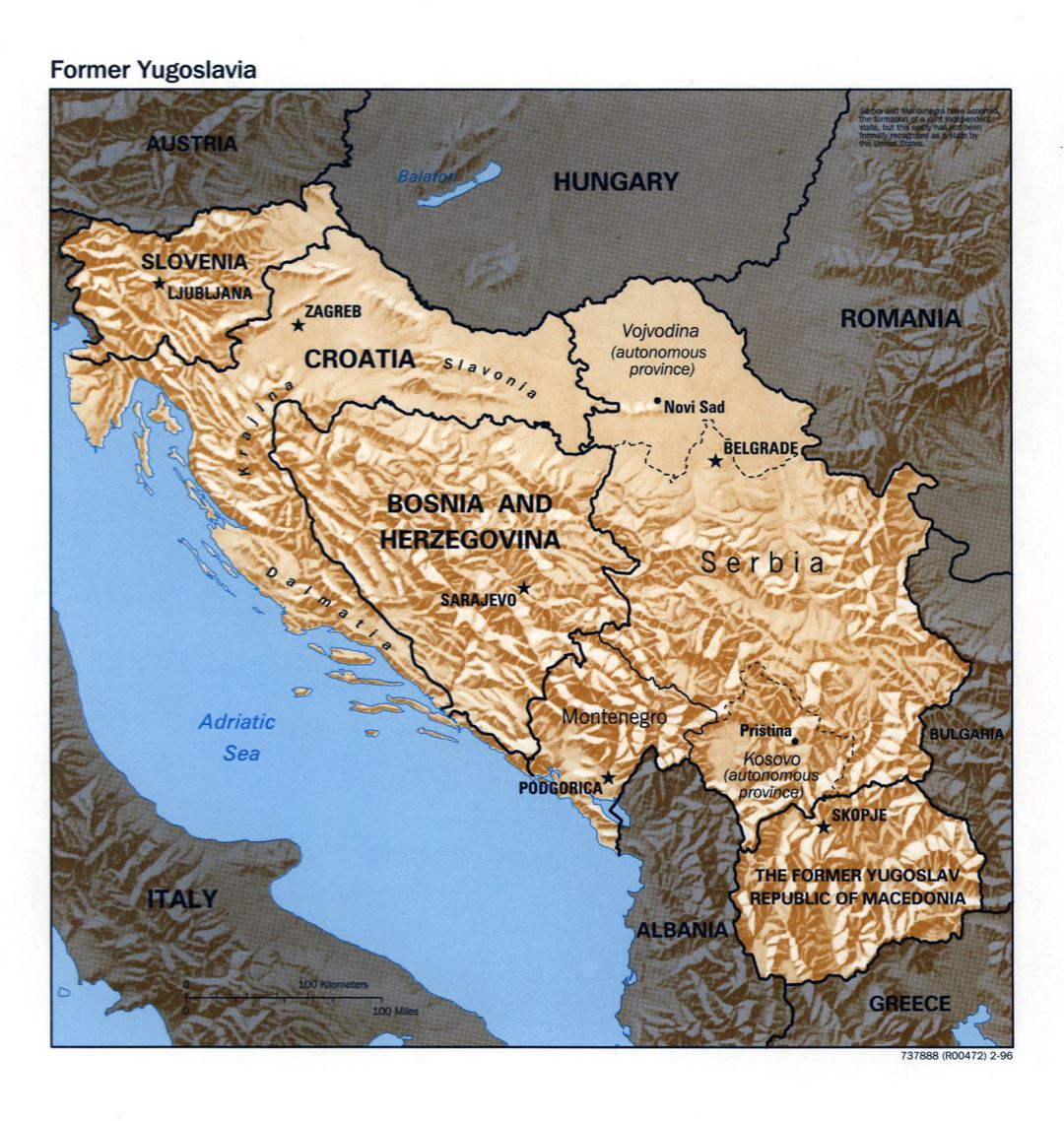
For Yugoslavia, this match marked the bittersweet peak of a brilliant generation. Political conflicts in the Balkans fractured the nation shortly after, meaning this unified team never had the chance to compete at the 1994 World Cup. Today, historians view the Florence encounter not just as a war of attrition, but as the masterclass of ten-man defending against the greatest player of his era.
Frequently Asked Questions
Why was Refik Šabanadžović sent off?
Šabanadžović received a straight red card in the 31st minute for a professional foul on Diego Maradona, who was breaking away on a rapid counterattack through the midfield.
How did Yugoslavia play with ten men for so long?
Manager Ivica Osim restructured the team into a compact 4-4-1 formation, emphasizing strict positional discipline, tireless work rates from midfielders like Srečko Katanec, and quick transitions on the counter.
What role did Sergio Goycochea play in the shootout?
Goycochea saved two penalties during the shootout—including the decisive sudden-death kick from Predrag Spasić—cementing his reputation as Argentina's penalty-saving specialist during the 1990 tournament.
Did Diego Maradona score during the match?
No, Maradona did not score during regulation or extra time, and his penalty kick during the shootout was saved by Yugoslavian goalkeeper Tomislav Ivković.



