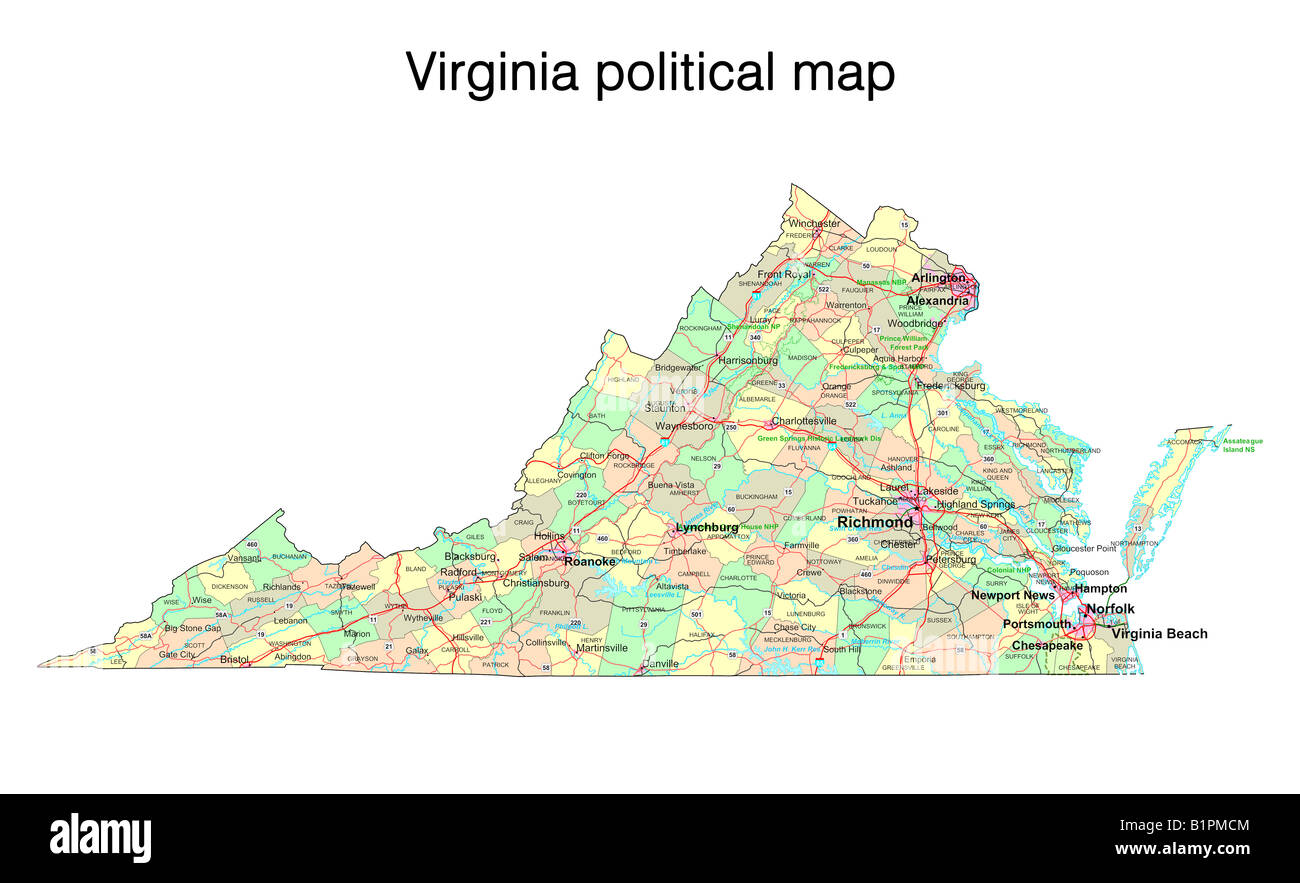
Virginia operates entirely within the Eastern Time Zone of the United States. Depending on the time of year, the state observes either Eastern Standard Time (EST) or Eastern Daylight Time (EDT), aligning its clocks with major hubs like New York and Washington, D.C.
Understanding how Virginia handles local time requires looking at Coordinated Universal Time (UTC) offsets and seasonal shifts. The state transitions twice a year to maximize daylight hours, a practice governed by federal guidelines under the Uniform Time Act. Whether you're scheduling a cross-country meeting or planning travel to Richmond or Virginia Beach, knowing these offsets prevents scheduling errors.
Eastern Standard Time and Eastern Daylight Time Offsets
Virginia shifts between two distinct time designations annually. During standard winter months, the state uses EST, which sits at UTC-5. This means local clocks run five hours behind Coordinated Universal Time.
When spring arrives, clocks move forward one hour to observe EDT, shifting the offset to UTC-4. This daylight saving period lasts from early March until early November. Because the entire state shares this single zone, cities from the Atlantic coast to the Cumberland Gap stay synchronized. For official programming and digital timestamping, the IANA time zone identifier for the state is America/New_York.
- Standard Time (EST): UTC-5, active from November to March.
- Daylight Time (EDT): UTC-4, active from March to November.
The Daylight Saving Schedule
Federal law mandates the exact transition moments for clock adjustments across the state. In early spring, specifically on the second Sunday of March at 2:00 AM local time, clocks move forward by one hour. This transition cuts an hour of sleep short but extends evening sunlight.
To return to standard time, clocks move backward one hour on the first Sunday of November at 2:00 AM local time. This shift restores the standard UTC-5 offset and returns an hour of morning light.
- Spring Forward: Second Sunday in March at 2:00 AM (local time becomes 3:00 AM).
- Fall Back: First Sunday in November at 2:00 AM (local time becomes 1:00 AM).
Official scheduling references are maintained by agencies like the National Institute of Standards and Technology, which oversees official U.S. timekeeping.
Practical Scheduling and Coordination
Managing calls or logistics across state lines requires attention to regional borders. Virginia shares its eastern and northern borders with states also on Eastern Time, such as Maryland, North Carolina, and West Virginia. However, its western border touches Kentucky and Tennessee, both of which split time zones. Some counties in eastern Kentucky and middle Tennessee use Central Time, creating a one-hour difference just across the state line.
When setting up international meetings, keep the UTC shifts in mind. For example, when Virginia is on EDT (UTC-4), a meeting set for 10:00 AM local time corresponds to 2:00 PM UTC. When the state switches back to EST (UTC-5), that same 10:00 AM slot moves to 3:00 PM UTC.
- Verify remote participant locations rather than relying solely on state abbreviations.
- Double-check calendar tools during transition weeks in March and November, as international partners may observe different daylight saving dates.
- Utilize reference platforms like the U.S. Naval Observatory for precise astronomical time data.
Frequently Asked Questions
Does all of Virginia stay in the exact same time zone?
Yes. Every city, county, and town in Virginia—from Norfolk to Bristol—follows the Eastern Time Zone and shifts together during daylight saving changes.
Do neighboring states use different time zones?
While Maryland, North Carolina, and Washington, D.C. share the Eastern Time Zone, parts of Kentucky and Tennessee directly to Virginia's west operate on Central Time.
What happens if federal legislation changes daylight saving rules?
Bills like the Sunshine Protection Act are periodically introduced to make daylight saving time permanent. If federal law changes, Virginia would stop shifting clocks twice a year, though congressional approval is required before any permanent shift takes effect.
How do computers handle Virginia time conversions?
Operating systems and scheduling software rely on the America/New_York IANA database entry. This database automatically applies historical and future clock shifts for Virginia without manual adjustments.



