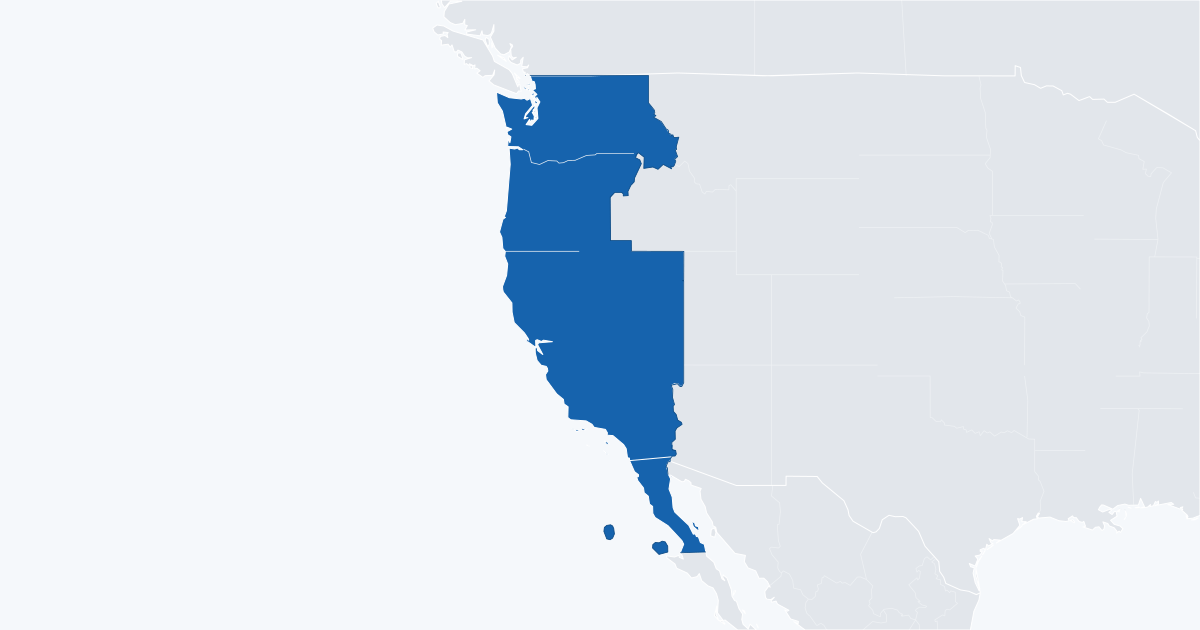
California operates on Pacific Time, a single zone that dictates the rhythm for nearly forty million residents, massive tech enterprises, agricultural supply chains, and global stock markets. From the moment the sun hits the coastline in San Francisco to late-night remote meetings in Los Angeles, Pacific Standard Time (PST) and Pacific Daylight Time (PDT) serve as the heartbeat of daily commerce and community routines.
Understanding how America’s clock functions in the Golden State requires looking past simple clock faces. Time structures everything from early morning logistics at the Port of Long Beach to prime-time television broadcasts originating from Burbank.
The Mechanics of Pacific Time in California
California follows Pacific Standard Time (UTC-8) during standard months and shifts to Pacific Daylight Time (UTC-7) from the second Sunday in March to the first Sunday in November. This seasonal transition alters daily life, pushing sunset deeper into the evening and extending outdoor schedules.
Unlike states split by multiple meridians, California maintains a unified schedule statewide. Whether you're in Crescent City near the Oregon border or San Diego near the Mexican border, clocks tick in absolute unison. This uniformity eliminates internal scheduling friction, allowing state government agencies, school districts, and transport networks to coordinate without cross-zone confusion.
The Standard vs. Daylight Shift
- Pacific Standard Time (PST): Active from early November through mid-March, bringing earlier sunsets and aligning local mornings with Eastern Standard Time's 3-hour offset.
- Pacific Daylight Time (PDT): Active from March to November, shifting clocks forward one hour to maximize evening sunlight for agriculture, construction, and recreation.
Daily Routines and Regional Paces
Daily life across California's diverse geographies adapts heavily to the clock. Commute patterns in major metropolitan areas demonstrate how tightly synchronized society is. In the San Francisco Bay Area and the Los Angeles basin, peak highway congestion begins sharply between 7:00 a.m. and 7:30 a.m. local time, reflecting rigid corporate and educational start times.
In contrast, the Central Valley's agricultural hubs—such as Fresno and Bakersfield—start operations much earlier. Farmworkers and logistics operators often begin before dawn to beat the intense afternoon heat, utilizing the cooler morning hours dictated by the rising sun rather than standard office hours.
Education and Public Sector Timing
Public schools throughout the state adhere strictly to state-mandated instructional minutes, with most bells ringing between 8:00 a.m. and 8:30 a.m. State legislation regulating secondary school start times ensures that teenagers begin classes no earlier than 8:30 a.m., directly influencing family morning routines and traffic volumes across residential neighborhoods.
Economic and Digital Synchronization
California sits at the crossroads of global commerce, meaning its local clock directly interfaces with international markets. Silicon Valley tech firms, Hollywood entertainment conglomerates, and global logistics hubs rely on Pacific Time as a baseline for software deployments, financial market openings, and global conference calls.
Because major East Coast financial centers operate three hours ahead, California professionals often structure their days around an early morning window. Stock market traders and tech support teams in the state frequently begin their digital check-ins by 6:00 a.m. local time to catch Wall Street openings and European midday updates.
"Pacific Time acts as a synchronized anchor for digital infrastructure, ensuring that millions of automated transactions, server backups, and virtual collaborations happen without friction across distant time zones."
Common Mistakes in Managing Pacific Time
Miscalculating the Pacific time zone frequently trips up travelers, remote workers, and businesses operating across state lines. Avoiding these errors ensures smooth scheduling and prevents missed commitments.
- Forgetting the Daylight Saving Shift: Assuming California stays on UTC-8 year-round leads to missed flights and late conference calls during the spring and autumn transition weeks when the US and international partners shift clocks on different dates.
- Confusing Mountain and Pacific Time: Border regions near Nevada and Arizona often cause confusion, especially since Arizona does not observe daylight saving time, temporarily altering the time difference between Phoenix and Los Angeles for part of the year.
- Overlooking Global Offsets: When scheduling international meetings, failing to account for the exact UTC offset during seasonal changes results in multi-hour errors.
Frequently Asked Questions
Does California stay on Pacific Time all year?
No, California observes Daylight Saving Time, moving clocks forward one hour to PDT in March and returning to PST in November.
What is the time difference between California and New York?
New York is always three hours ahead of California, regardless of whether the clocks are on standard or daylight saving time.
Why do some areas near California have different time rules?
While California is entirely in the Pacific zone, neighboring states like Arizona maintain different seasonal rules, which can confuse travelers crossing state lines. You can check official time standards via the National Institute of Standards and Technology.
How does Pacific Time affect remote workers in California?
Remote workers often need to adapt their working hours to accommodate East Coast or international team members, frequently starting their workdays earlier in the morning to overlap with colleagues in different zones. Detailed federal workforce guidelines and policies are outlined by the U.S. Office of Personnel Management.



