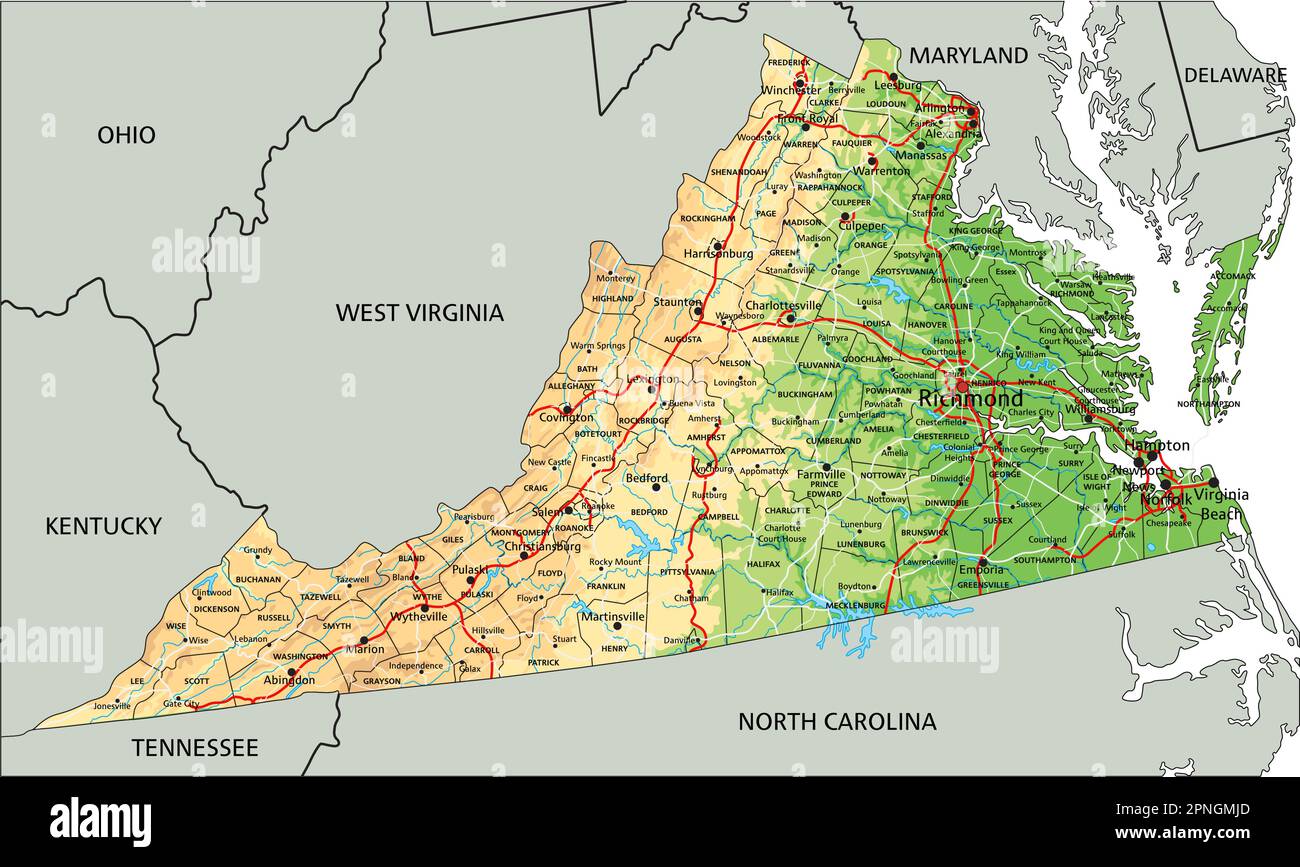
Virginia's energy landscape is undergoing a massive structural shift. Once heavily reliant on coal and imported fossil fuels, the Commonwealth has transformed into a leading Southern market for clean energy deployment. This transformation isn't driven by corporate altruism alone, but by a combination of aggressive legislative mandates, falling technology costs, and major utility-scale investments. If you want to understand how Virginia is greening its grid, you have to look past the political talking points and examine the specific statutes, hard data, and physical infrastructure projects shaping the state today.
At the core of this transition is the Virginia Clean Economy Act (VCEA), enacted in 2020. The VCEA established a mandatory Renewable Portfolio Standard (RPS) that forces the state's largest investor-owned utilities—Dominion Energy Virginia and Appalachian Power—to transition their electricity generation portfolios entirely to zero-carbon sources. Dominion must reach 100% renewable energy by 2045, while Appalachian Power has until 2050. These aren't voluntary corporate goals; they are legally binding quotas backed by compliance penalties and oversight from the Virginia State Corporation Commission (SCC).
The Legislative Engine: VCEA and Regulatory Framework
The mechanics of Virginia's green transition rely on clear statutory targets. The VCEA mandates the development of specific capacities for different renewable technologies, declaring them to be in the public interest. This statutory backing streamlines the regulatory approval process for utilities building out generation assets.
- Solar and Onshore Wind: The law declares 16,100 megawatts (MW) of solar and onshore wind capacity to be in the public interest, creating a massive pipeline for utility-scale and distributed projects.
- Offshore Wind: A dedicated carve-out requires 5,200 MW of offshore wind capacity, positioning the Commonwealth as the epicenter of wind development on the U.S. East Coast.
- Energy Storage: To balance intermittent generation, the VCEA and subsequent legislation mandate over 21,000 MW of energy storage development and procurement integration by mid-century.
Unlike voluntary frameworks in other Southern states, Virginia's RPS uses a compliance mechanism where utilities must acquire Renewable Energy Certificates (RECs) or face deficiency payments. Half of any penalty revenue generated from non-compliance goes directly to job training programs in historically economically disadvantaged communities, tying environmental policy to economic justice. You can read a detailed breakdown of these legal structures via the Virginia Energy Office. Further journalism by Bloomberg highlights comparable views on the subject.
Landmark Infrastructure: Coastal Virginia Offshore Wind
You cannot discuss Virginia's green initiatives without examining offshore wind. Located 27 miles off the coast of Virginia Beach, the Coastal Virginia Offshore Wind (CVOW) project represents the largest commercial offshore wind farm under construction in the United States.
Managed by Dominion Energy, the project features 176 massive wind turbines capable of generating 2.6 gigawatts of clean electricity once fully operational. Following a multi-year development and federal approval process, the project began initial energy production phases, keeping it on track for full completion.
The logistics behind CVOW have turned Hampton Roads into a major maritime hub for the offshore wind supply chain. The Port of Virginia invested heavily in modernizing marine terminals to handle massive turbine blades, towers, and heavy installation vessels. This infrastructure upgrade supports hundreds of local manufacturing, staging, and maritime logistics jobs, injecting millions of dollars annually into the regional economy.
Distributed Solar and Consumer Participation
While utility-scale solar farms provide the bulk of the gigawatts required by state mandates, distributed solar—such as rooftop and commercial installations—gives home and business owners a direct stake in the transition. The VCEA fundamentally improved the economic case for rooftop solar by raising the cap on net metering from 1% to 6% of a utility's peak load, and increasing individual project limits.
Furthermore, the law eliminated standby fees for most residential solar customers and permitted systems to be oversized up to 150% of a home's historical annual electricity consumption. This allowance accommodates future energy loads, such as electric vehicle (EV) charging and residential heat pump installations.
The legislative framework also catalyzed Virginia's Solar Renewable Energy Certificate (SREC) market. Homeowners with grid-tied solar panels earn one SREC for every megawatt-hour of electricity their systems produce. These certificates can be sold to utilities needing to meet their VCEA compliance quotas, providing system owners with an ongoing revenue stream that shortens the payback period for photovoltaic investments.
Energy Efficiency and Equity Initiatives
Building new renewable generation is only half the battle; reducing total energy waste is the other. The VCEA established an Energy Efficiency Resource Standard (EERS) that requires utilities to achieve measurable reductions in retail electricity sales through efficiency programs.
Energy efficiency is consistently cited by consumer advocates as the cheapest way to meet growing electricity demands because it avoids the capital costs of building new power plants entirely. Programs funded under these mandates focus heavily on weatherization, appliance upgrades, and low-income housing retrofits.
In tandem with the EERS, Virginia's participation in the Regional Greenhouse Gas Initiative (RGGI)—a multi-state cap-and-invest program—generated substantial funding for local programs. Half of RGGI auction proceeds were historically directed toward low-income energy efficiency upgrades, while the remainder supported coastal resilience and flood mitigation projects. For official data on these programs, consult the Virginia Department of Environmental Quality.
Emerging Pressures: Data Centers and Grid Demand
Virginia's green initiatives face a unique stress test: unprecedented load growth driven by the explosive expansion of data centers. Northern Virginia hosts the world's largest concentration of data centers, consuming a massive share of the state's total electricity output.
A report by Virginia's Joint Legislative Audit and Review Commission (JLARC) highlighted that unmitigated data center growth could double the Commonwealth's electricity demand over the next decade. This surge creates a complex tension:
- Increased Demand: More data centers mean the utilities must procure clean energy faster simply to keep pace with baseline load increases while retiring fossil fuel plants.
- Reliability Concerns: Maintaining grid stability requires pairing intermittent solar and wind with reliable energy storage and robust transmission lines.
- Cost Distribution: Regulators must ensure that the massive infrastructure costs required to power these tech hubs aren't disproportionately shifted onto residential ratepayers.
To address these challenges, lawmakers and the SCC are pushing tech companies to contract directly for new green energy sources, ensuring that data center expansion fuels the construction of additional renewable projects rather than straining existing grid capacity.
Frequently Asked Questions
What is the primary goal of the Virginia Clean Economy Act?
The VCEA requires Virginia's major investor-owned utilities, Dominion Energy and Appalachian Power, to transition their electricity generation to 100% carbon-free sources by 2045 and 2050, respectively. It also establishes mandatory energy efficiency standards and expands access to rooftop solar.
How do SRECs work for solar owners in Virginia?
For every 1,000 kilowatt-hours (1 megawatt-hour) of solar electricity your system generates, you receive one Solar Renewable Energy Certificate (SREC). Because utilities must buy these certificates to prove compliance with state mandates, you can sell your SRECs on an open market for extra cash on top of your utility bill savings.
Are residential solar net metering caps still an issue in Virginia?
No. The VCEA significantly raised net metering caps from 1% to 6% of utility load, making it much easier for homeowners to connect solar systems to the grid without running into arbitrary utility restrictions.
How does Virginia handle the energy demands of data centers?
Data center growth is managed through regulatory proceedings at the SCC, where utilities must plan for massive load increases by procuring additional renewable generation, utility-scale batteries, and regional transmission upgrades while attempting to protect residential ratepayers from unfair cost spikes.



