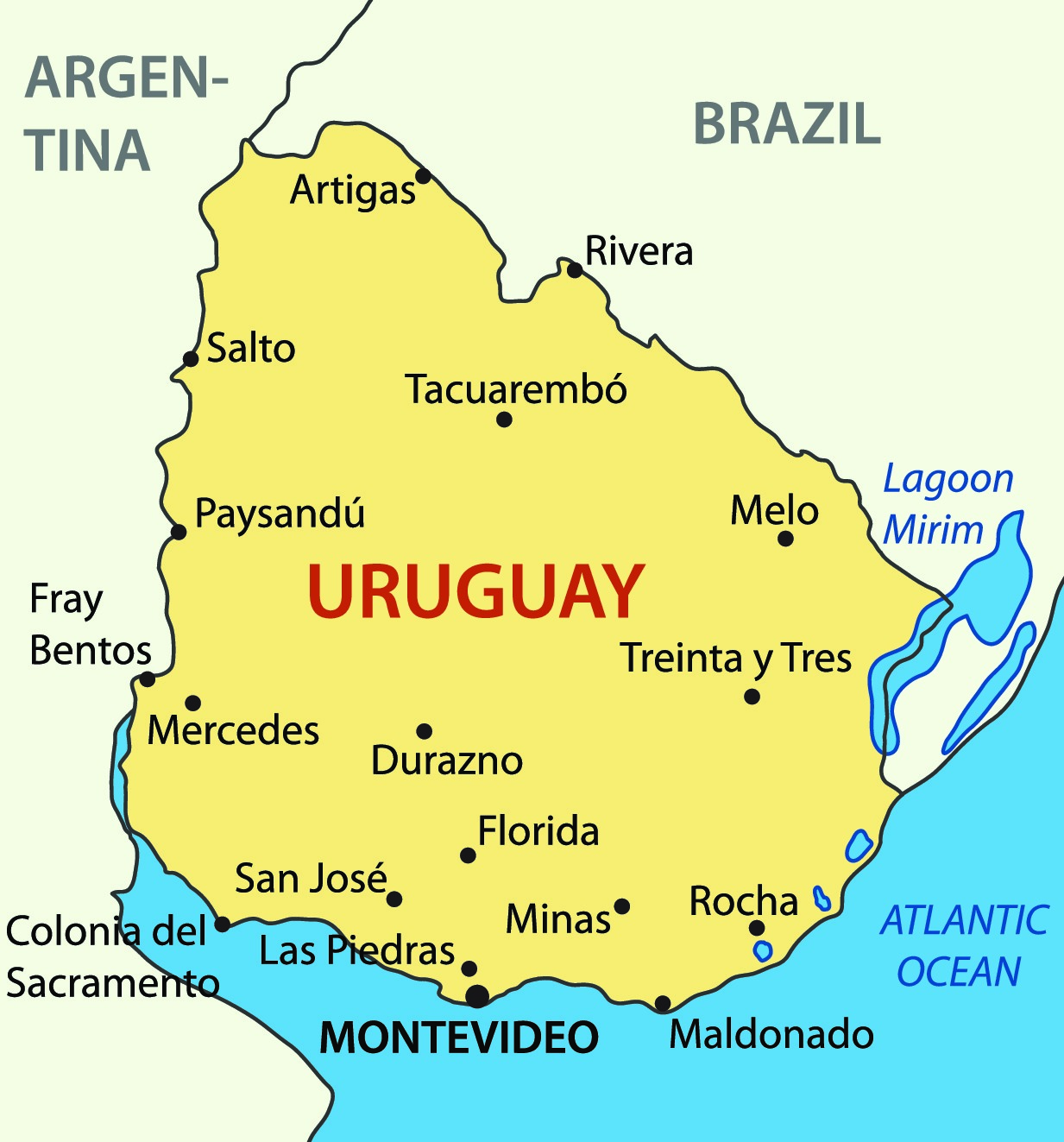
Uruguay and Germany established a strategic bilateral energy partnership to accelerate green hydrogen production and trade. Germany needs reliable international suppliers to meet its heavy industry decarbonization goals, while Uruguay possesses abundant renewable energy capacity from wind and solar power. This cross-continental alliance connects South American clean energy production directly to European industrial demand.
Understanding how this partnership works requires looking past political announcements and examining the actual infrastructure, economic drivers, and technical hurdles involved. Both nations face distinct challenges in turning this clean energy vision into a daily commercial reality.
The Strategic Drivers Behind the Alliance
Germany's industrial sector requires vast amounts of clean energy to transition away from fossil fuels, particularly in steelmaking, chemicals, and long-distance transport. Because domestic renewable generation capacity is limited by land availability and weather patterns, Germany relies on strategic imports.
Uruguay fits this requirement through decades of aggressive investment in clean power grids. Over 98% of Uruguay's electricity already comes from renewable sources like wind, biomass, and hydroelectric power.
- Excess Generation: Uruguay regularly produces surplus renewable electricity during peak generation periods.
- Industrial Scale: The country aims to develop a robust hydrogen economy to diversify its export markets.
- Regulatory Stability: Uruguay offers transparent legal frameworks and strong institutional credibility compared to other emerging markets.
Through the Uruguayan-German Energy Partnership, both governments established formal channels for technical cooperation, regulatory alignment, and business-to-business exchanges.
How Green Hydrogen and E-Fuels Production Works
Green hydrogen relies on water electrolysis powered entirely by renewable electricity. Splitting water molecules ($H_2O$) into hydrogen and oxygen without fossil fuels creates a clean energy carrier. However, transporting pure hydrogen across oceans remains expensive and technically complex due to its low volumetric energy density.
To solve this export bottleneck, the partnership focuses heavily on derivatives like green methanol and e-fuels.
- Water and Power: Clean electricity powers large-scale industrial electrolyzers using local water resources.
- Carbon Capture: Captured biogenic carbon dioxide is combined with green hydrogen to synthesize liquid e-fuels.
- Global Shipping: These liquid derivatives use existing maritime transport infrastructure, making it easy to ship clean energy from South American ports straight to European terminals.
Companies like HIF Global have advanced large-scale e-fuels projects in Uruguay, such as the initiative in Paysandú, aiming to meet growing European compliance mandates for sustainable transport fuels.
Economic Impact and Local Challenges
Building a green hydrogen export market requires billions of dollars in private investment and major upgrades to local ports, transmission lines, and water treatment facilities. Proponents highlight that this collaboration will create thousands of skilled local jobs in plant construction, engineering, and ongoing maintenance.
At the same time, academic and environmental experts in Uruguay point out valid concerns regarding resource management. Large-scale electrolysis requires pure water and secure local land use. Policymakers must balance export ambitions with domestic ecological protections to ensure community trust.
- Water Usage: Facilities require access to secure water sources without straining local agricultural supplies.
- Infrastructure Bottlenecks: Upgrading high-voltage transmission lines across rural regions takes years of coordinated planning.
- Financing Costs: Securing low-interest capital for capital-intensive green tech projects remains a hurdle in Latin American emerging markets.
Frequently Asked Questions
Why did Germany choose Uruguay over other countries?
Uruguay boasts a mature, nearly 100% renewable domestic power grid, strong democratic institutions, and a clear regulatory roadmap for green hydrogen. This reduces regulatory and political risk for foreign investors compared to more volatile regions.
Is green hydrogen being shipped as a gas or liquid?
Because shipping pure hydrogen gas requires cryogenic cooling and specialized tankers, projects under this partnership prioritize liquid derivatives like green methanol and synthetic e-fuels that fit into conventional cargo vessels.
What is the timeline for commercial production?
Pilot projects and feasibility studies are already underway, with industrial-scale export facilities scaling up toward the 2030 and 2040 targets outlined in Uruguay's national hydrogen roadmap.
How does this impact local energy costs in Uruguay?
The government designed its strategy to ensure that new renewable capacity additions supply both local industrial decarbonization—such as heavy transport—and international export markets without driving up residential electricity prices.



