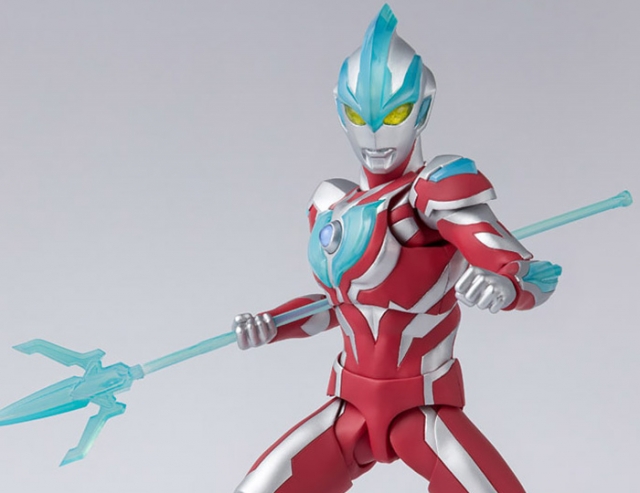
Ultraman Nexus occupies a unique, highly revered space in Indonesian tokusatsu fandom. While mainstream television historically favored bright, accessible superhero serials for children, Rajawali Televisi (RTV) introduced Indonesian audiences to a darker, more serialized narrative that broke every franchise rule. For older fans and night-owl viewers, catching Ultraman Nexus on RTV wasn't just about watching monster fights—it became a defining late-night television ritual that left a lasting cultural footprint.
Understanding the deep nostalgia surrounding Ultraman Nexus requires looking back at how the series arrived on Indonesian screens and why its sophisticated, character-driven storytelling resonated so strongly. Unlike standard monster-of-the-week programs, Nexus treated its audience to heavy psychological themes, intricate serialized mysteries, and high-stakes survival drama that felt entirely unprecedented for free-to-air broadcasts in the region.
The Unique Appeal of Ultraman Nexus on Indonesian Television
When RTV added Ultraman Nexus to its programming lineup, it entered a broadcasting landscape familiar with classic Shōwa and Heisei era heroes. However, Nexus was fundamentally different from its predecessors like Ultraman Tiga or Ultraman Dyna. Produced as part of Tsuburaya Productions' experimental Ultra N Project, the show was intentionally targeted at older teenagers and young adults.
This pivot toward a mature audience meant the series tackled heavy themes such as despair, public fear of the unknown, trauma, and the personal sacrifice required of its human hosts, known as Dunamists. For Indonesian viewers tuning into RTV late at night, this gritty approach was a revelation. It proved that tokusatsu could be complex, atmospheric, and emotionally resonant without losing the core spectacle of giant hero battles.
Why the Late-Night RTV Slot Built a Cult Following
Programming decisions heavily shaped the fandom's culture. RTV frequently scheduled Ultraman Nexus during late-night or early-morning time slots, which inadvertently fostered a strong sense of community and exclusivity among Indonesian fans.
- The Midnight Ritual: Watching the show late at night turned routine viewing into an intentional event, bonding a dedicated crowd of night owls.
- Online Discourse: Forums and early social media groups buzzed with theories about the secret identity of the Night Raiders and the mysterious nature of the Space Beasts.
- Shared Discovery: Fans bonded over the dark cinematography, eerie sound design, and the overarching plot mysteries that rewarded close attention.
Breaking Down the Narrative: Beyond Standard Tokusatsu
The storytelling structure of Ultraman Nexus broke away from formulaic monster battles. The series follows multiple human hosts who inherit the power of the giant of light, each carrying distinct emotional baggage and personal struggles.
The first major host, Himeya Jun, is a war photographer haunted by his past failures and PTSD. His transformation into Ultraman Nexus isn't celebrated as an immediate blessing; rather, it's a painful burden he bears to find personal redemption. This subversion of the classic superhero trope struck a deep chord with viewers who appreciated seeing flawed, realistic characters navigate immense pressure.
Furthermore, the secondary protagonist, Ren Senjyu, introduced an entirely different emotional dynamic. Genetically engineered and facing a truncated lifespan, Ren's fight wasn't just about saving humanity—it was about finding meaning and freedom in the brief time he had left. These serialized character arcs transformed the show from simple action entertainment into a poignant coming-of-age and redemption drama.
The Aesthetics and Atmosphere That Defined a Generation
Beyond the writing, the production design of Ultraman Nexus created an immersive world that stood apart from contemporary children's television. The military organization known as the Night Raiders utilized sleek, realistic weaponry, specialized aircraft, and tactical gear that gave the series a grounded sci-fi military feel, reminiscent of classic horror-tinged tokusatsu like Ultraman Nexus spiritual ancestor, Ultraman Nexus draws heavy inspiration from Ultraman The Next and darker sci-fi properties.
The opponents, known collectively as Space Beasts, weren't simply mindless city-destroyers. They were parasitic, evolving entities that fed on human fear and propagated terror in urban environments. The battles took place inside a localized pocket dimension called the Metastage, a glowing, eerie boundary that isolated the combatants from the ordinary world. This visual choice heightened the stakes, making every conflict feel intimate, dangerous, and claustrophobic.
The Cultural Legacy and Continuing Impact in Indonesia
Although the series faced early broadcast adjustments in Japan due to its dark tone and shifted broadcast times, its eventual re-airing internationally and on Indonesian networks like RTV allowed it to achieve delayed recognition. Today, older fans frequently look back at the RTV broadcasts as a golden era of tokusatsu localization in Indonesia.
The legacy of Ultraman Nexus lives on in how modern fans discuss serialized storytelling. It proved that Indonesian audiences are eager for mature narratives within established franchises. To explore more about the history and production behind these series, you can visit the Official Tsuburaya Productions Website. For broader context on how tokusatsu gained traction across Southeast Asia, check out historical overviews on Wikipedia.
Frequently Asked Questions
Why did Ultraman Nexus have multiple human hosts?
The series used a succession of hosts—known as Dunamists—to emphasize that the power of Ultraman is a legacy passed down to those with the inner strength and willingness to protect others, rather than belonging permanently to a single individual.
Why was Ultraman Nexus broadcast late at night on RTV?
Late-night slots on RTV often accommodated niche or mature-leaning imported programming. For Nexus, this schedule inadvertently suited its darker, more mature thematic tone, attracting dedicated older teenagers and adult tokusatsu fans.
How does Ultraman Nexus connect to Ultraman The Next?
Ultraman The Next is the 2004 theatrical film that served as a direct narrative and conceptual prequel to the Ultraman Nexus television series, establishing the origins of the light and the primary Space Beast threat.
Are there official figures and merchandise available for Nexus in Indonesia?
Yes, collectible items such as S.H.Figuarts action figures and replica items from the Night Raiders remain popular collector's pieces among dedicated tokusatsu hobbyists across Indonesia.