Figuring out whether today is a recognized holiday in the United States requires looking past commercial greeting cards and checking official federal calendars. Federal, state, and cultural observances follow distinct schedules that affect banking, mail delivery, and government services differently. If you need to know whether government offices are closed or whether banks are processing transactions, understanding how the national calendar works in real time is essential.
Federal holidays are established by Congress for federal employees and the District of Columbia, but they heavily influence the broader American economy. On these designated days, non-essential government offices, federal reserve banks, and many private financial institutions close their doors. However, retail stores, restaurants, and private corporations often remain open, sometimes even offering special promotions tied to the occasion. Navigating this landscape means knowing the difference between a federal holiday, a state-specific observance, and a purely cultural event.
How the American Holiday Calendar Works
The official United States calendar includes eleven permanent federal holidays established under Title 5 of the United States Code. These days dictate closures for federal services, but they don't automatically mandate closures for private businesses or state and local agencies. Each state retains the authority to determine its own holiday schedule, which frequently results in unique local observances.
Understanding this system prevents confusion when you encounter a day marked on a digital calendar that doesn't seem to affect your local grocery store or workplace. Federal holidays follow specific scheduling rules rather than falling on fixed calendar dates every year. For example, holidays like Martin Luther King Jr. Day, Presidents Day, Memorial Day, and Labor Day use floating Monday structures. This design creates consistent three-day weekends, which minimizes disruptions to the standard workweek.
Fixed-Date vs. Floating Federal Holidays
Federal observances split into two distinct structural categories. Fixed-date holidays fall on the exact same calendar day every year, regardless of the day of the week. If a fixed date lands on a Saturday or Sunday, a special observance rule applies. When a holiday falls on a Saturday, the preceding Friday is usually observed as a federal holiday. When it falls on a Sunday, the following Monday serves as the official day off.
Fixed-date federal holidays include:
- New Year's Day on January 1
- Juneteenth National Independence Day on June 19
- Independence Day on July 4
- Veterans Day on November 11
- Christmas Day on December 25
Floating holidays rely on relative positioning within a specific month. Memorial Day, for instance, is always celebrated on the last Monday in May. Labor Day falls on the first Monday in September, while Thanksgiving Day occupies the fourth Thursday in November. These structural differences make it necessary to check the exact calendar date each year rather than relying on memory alone.
What Closures to Expect on National Holidays
When a true federal holiday arrives, the operational landscape shifts across public and private sectors. Knowing which services remain operational helps you plan appointments, financial transfers, and mail deliveries without frustrating delays.
Federal reserve banks and commercial banks observe every federal holiday. Because the Automated Clearing House network pauses on these days, standard direct deposits, wire transfers, and check clearings typically push to the next business day. The United States Postal Service suspends regular mail delivery and retail window services, though priority services like Priority Mail Express continue operating.
Schools, universities, and municipal courts generally close on major federal holidays. On the other hand, public transportation networks often run on modified holiday schedules rather than shutting down completely. Retail operations, grocery stores, and entertainment venues almost always stay open, viewing holidays as high-traffic shopping periods.
State and Cultural Observances vs. Federal Holidays
Many days celebrated across the United States hold no federal status. Cultural celebrations, religious holidays, and state-specific historical events fill the calendar without closing federal offices or banks.
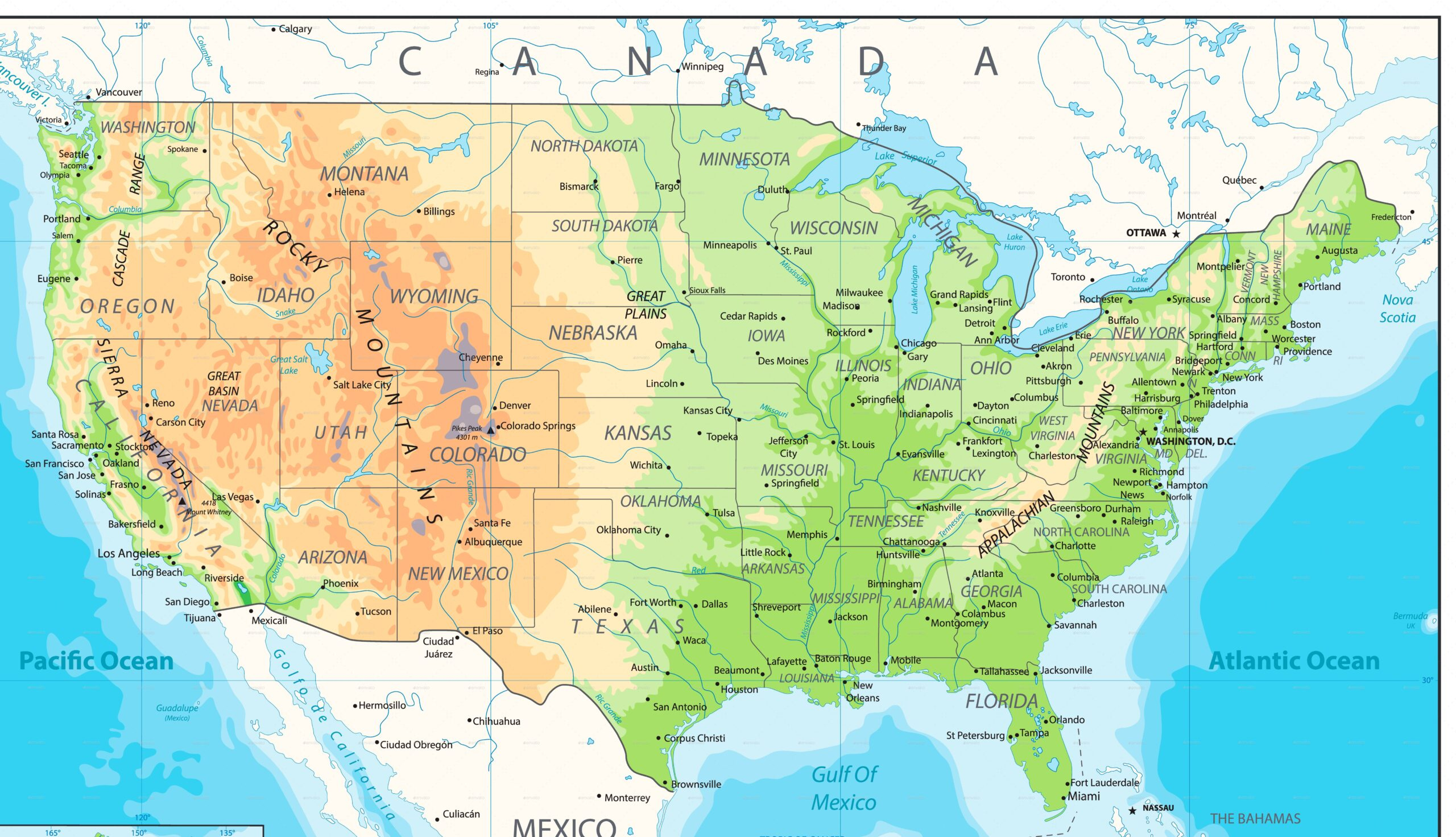
State holidays vary dramatically across the country. Texas observes San Jacinto Day on April 21, while Utah celebrates Pioneer Day on July 24. These days prompt closures for state government offices and public schools within those specific jurisdictions, but they have no impact on federal agencies or banks in other states.
Cultural events like Valentine's Day, St. Patrick's Day, Halloween, and Mother's Day generate significant economic activity and public interest, yet they remain standard working days. Recognizing whether an occasion carries legal weight or cultural significance prevents scheduling mix-ups.
Common Mistakes When Checking Today's Holiday Status
Relying on assumptions or unverified online calendars can lead to missed appointments and delayed financial transactions. Avoiding these common errors keeps your schedule running smoothly.
One frequent mistake is assuming that a holiday observed by banks is also a day off for regular retail jobs. Private employers aren't legally required to provide paid time off for federal holidays, meaning corporate offices might be open while federal buildings are dark.
Another error involves confusing state holidays with federal ones. If you live in a state that recognizes a specific historical anniversary, your local Department of Motor Vehicles office might be closed while federal post offices nationwide remain fully operational. Always verify local municipal schedules rather than assuming uniform closures.
Finally, people often miscalculate floating holiday dates by assuming they fall on the same calendar day every year. Checking an official government schedule, such as the U.S. Office of Personnel Management Federal Holidays page, ensures accurate planning.
Frequently Asked Questions
Are banks closed on every American holiday?
Banks close on all official federal holidays. However, they remain open on cultural observances and state-specific holidays that lack federal recognition.
Do private companies have to give employees federal holidays off?
No federal law mandates paid time off or holiday closures for private-sector employers. Companies decide their own holiday schedules based on industry norms and corporate policy.
What happens if a federal holiday falls on a weekend?
When a federal holiday lands on a Saturday, the federal government observes it on the preceding Friday. If it falls on a Sunday, it is observed on the following Monday.
How can I verify if today is an official government holiday?
You can check official federal schedules through the U.S. General Services Administration or refer to verified calendars provided by the USA.gov holidays guide.