Mother's Day isn't celebrated on a single universal day, and its modern commercial footprint looks nothing like what its founder originally intended. Depending on where you live, the holiday might land in March, May, or even August, tracing roots from medieval Christian calendars to American social activism. Understanding why the dates change, how the holiday evolved globally, and why its creator ultimately tried to have it banned reveals a surprisingly complex history.
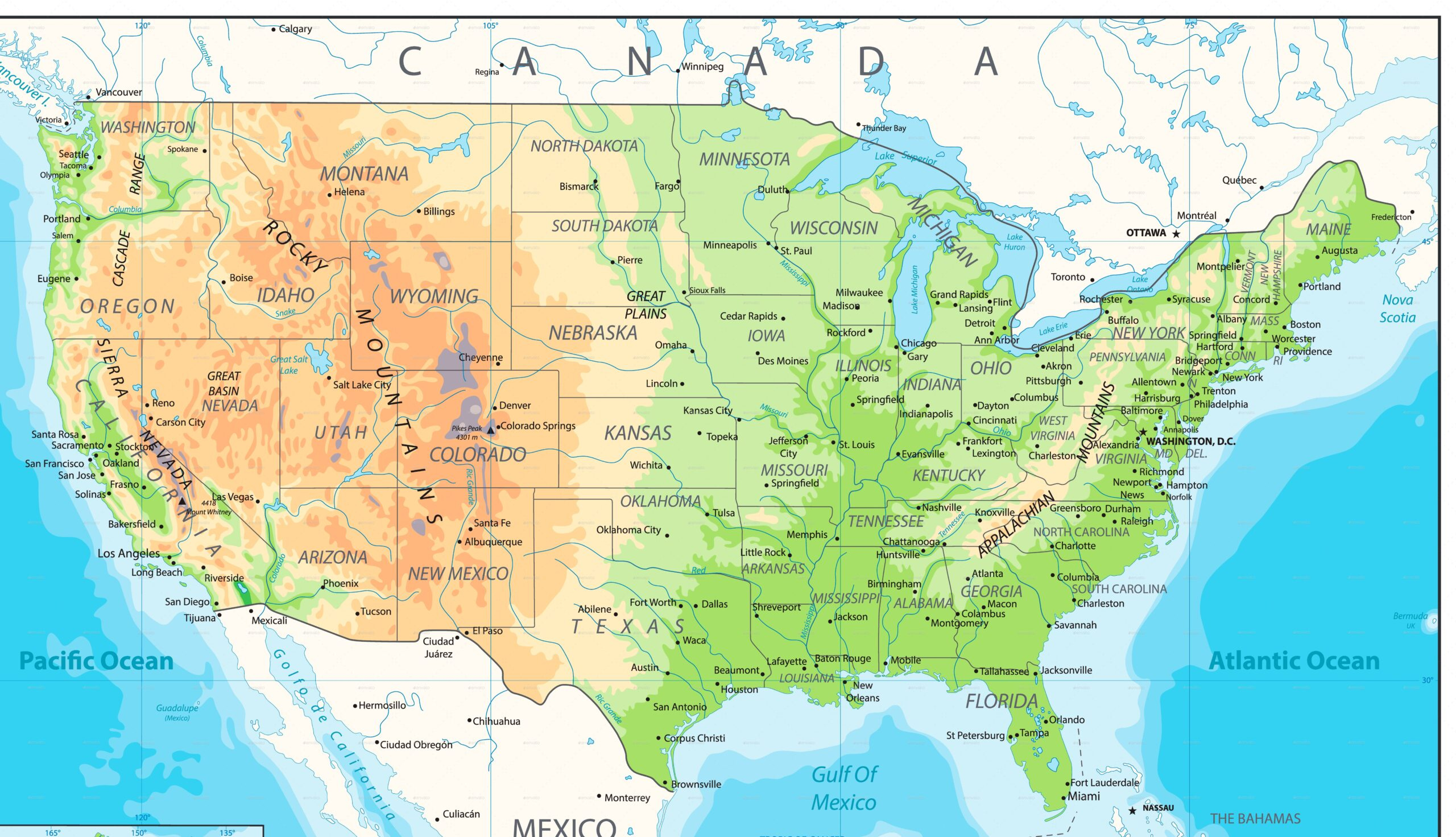
Most countries follow the North American tradition of observing Mother's Day on the second Sunday in May. However, the United Kingdom and Ireland celebrate Mothering Sunday on the fourth Sunday of Lent, while nations like Mexico keep a fixed date on May 10 every year. These differences stem from entirely separate historical tracks, blending ancient religious traditions, political proclamations, and commercial shifts.
The Modern Origin and the Campaign of Anna Jarvis
The modern iteration of Mother's Day began in the United States thanks to Anna Jarvis, an activist who wanted to honor her late mother, Ann Reeves Jarvis. Ann Jarvis had spent years organizing women's work clubs to improve sanitary conditions, reduce infant mortality, and nurse wounded soldiers from both sides of the American Civil War.
After her mother died in 1905, Anna Jarvis launched a fierce campaign to create a national memorial day dedicated to honoring mothers. On May 10, 1908, she organized the first official Mother's Day service at St. Andrew's Methodist Church in Grafton, West Virginia. She handed out 500 white carnations—her mother's favorite flower—to the mothers in attendance.
The concept caught on instantly. By 1914, U.S. President Woodrow Wilson signed a proclamation officially establishing the second Sunday in May as a national holiday. Canada and several other nations quickly adopted the exact same date.
Yet, Anna Jarvis turned against her own creation almost immediately. As greeting card companies, florists, and confectioners seized control of the holiday, turning it into a multi-million-dollar retail event, Jarvis grew disgusted. She spent her personal fortune and final decades organizing boycotts, protesting floral shops, and petitioning the government to remove Mother's Day from the calendar entirely. She believed the day was meant to be about personal, intimate expressions of gratitude—not overpriced gifts purchased under corporate pressure.
Why Global Dates Shift Across the Calendar
While the North American model relies on a floating Sunday rule, other regions calculate their celebrations through entirely different systems.
The Lent Connection in Britain and Ireland
In the UK and Ireland, Mothering Sunday falls on the fourth Sunday of Lent, known traditionally as Laetare Sunday or Refreshment Sunday. This observance predates modern secular holidays by centuries. During the 16th and 17th centuries, domestic servants and apprentices were given a rare day off to return to their "mother church"—the main cathedral or parish where they were baptized—reuniting with their families along the way. Families picked wild violets and baked rich fruit cakes called simnel cakes to celebrate the reunion. Over time, this religious homecoming merged with the broader cultural concept of honoring mothers, retaining its unique Lent-linked spring timing.
Fixed-Date Celebrations
Countries like Mexico and Poland ignore the floating Sunday system completely. In Mexico, Día de la Madre is celebrated on a rigid calendar date: May 10. Established in 1922 following an aggressive campaign by a prominent Mexico City newspaper and government officials, May 10 became a massive cultural fixture where schools host elaborate morning pageants and families gather for large meals, regardless of what day of the week it lands on.
Political and Cultural Alignments
Other countries chose dates tied to broader sociopolitical movements. In several Eastern European and Central Asian nations, Mother's Day is merged with or closely follows International Women's Day on March 8. In Thailand, the holiday is celebrated on August 12, coinciding with the birthday of Queen Sirikit, who is widely regarded as the Mother of the Nation.
Common Misconceptions About Mother's Day History
People frequently misunderstand how the holiday spread globally, often assuming it was exported uniformly by Western governments.
- Assumption: Mother's Day is an ancient holiday that has always been celebrated in May. Reality: While ancient civilizations held festivals for mother goddesses like Rhea in Greece or Cybele in Rome, these had no direct connection to the modern family holiday.
- Assumption: The UK and US holidays are simply translations of each other. Reality: British Mothering Sunday has roots in the 400-year-old tradition of visiting parish churches during Lent, long before Anna Jarvis held her service in West Virginia. The modern British celebration only absorbed American commercial traits during the mid-20th century.
- Assumption: Governments created the holiday to boost retail economies. Reality: The holiday was grassroots-driven by activists and religious groups; retail exploitation came later, much to the anger of its founders.
Frequently Asked Questions
Why does the date of Mother's Day change every year in the US and Canada?
The holiday is legally defined as the second Sunday in May. Because the starting day of the month shifts annually on the Gregorian calendar, the exact date moves anywhere between May 8 and May 14.
Did Anna Jarvis make money from inventing Mother's Day?
No. Anna Jarvis refused to accept any money for her campaigning. She spent her own inheritance fighting commercial entities who tried to profit off the holiday, eventually dying in poverty in a sanitarium.
Why are white carnations historically significant?
White carnations were chosen by Anna Jarvis because they represented purity, fidelity, and the endurance of a mother's love. She originally asked people to wear a white carnation to honor a deceased mother and a red one if their mother was still living.
Is Mother's Day a public or statutory holiday?
In almost every country where it is observed—including the United States, Canada, the UK, and Australia—Mother's Day is not a statutory public holiday. Banks, government offices, and standard businesses operate on normal schedules because the holiday always lands on a Sunday.
How do spending trends reflect the evolution of the holiday?
Modern economic data from organizations like the National Retail Federation shows that consumers spend tens of billions of dollars annually on dining out, jewelry, and specialized electronics. This massive commercial scale highlights the exact corporate takeover that Anna Jarvis spent her life trying to prevent.