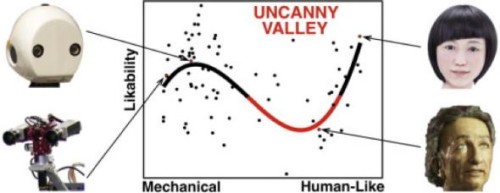
When artificial intelligence systems generate prose, code, or legal text, they often produce outputs that look deceptively authentic. This surface fluency masks a deep structural flaw: the words mimic comprehension without possessing it. This phenomenon is the uncanny valley of algorithms, where mechanical imitation bumps against genuine semantic grounding.
Understanding this limit requires looking at how large language models process text versus how human communication actually builds meaning. Models rely on probabilistic token prediction across vast data corpora. They map statistical associations between words, but they don't share the embodied context, historical evolution, or intentionality that humans use to define terms.
Lexicographers and semanticists study how definitions shift over time, anchoring words in social practices and legal realities. When an algorithm generates a definition or executes a task based on natural language, it misses these anchor points. Recognizing this gap helps developers and users set realistic boundaries for automated text generation and avoid costly misinterpretations in high-stakes fields.
The Mechanics of Statistical Simulation
To understand why algorithmic text generation triggers an uncanny response, you have to look under the hood of modern neural networks. Large language models operate by predicting the next token in a sequence based on billions of parameters derived from training text. They answer a statistical question: given this sequence of words, what is the most likely word to follow?
This mechanism creates an illusion of understanding. If you ask an algorithm to define a complex legal term or summarize a philosophical text, it draws on patterns of how humans write about those topics. It replicates the tone, vocabulary, and syntactic structure with ease. However, the model has no internal model of the physical world or social agreements that give those words consequence.
- Token Probabilities: Models map relationships between strings of characters rather than conceptual objects.
- Surface Fluency: Grammatical correctness is prioritized over logical coherence or factual consistency.
- Absence of Intent: Generated text lacks a speaker's communicative intent or commitment to truth.
Because the output is entirely driven by probability, algorithms can easily string together terms that sound authoritative while making logical errors that a human writer would instantly catch.
Semantic Drift and Historical Context
Human language is dynamic. Words like "privacy," "contract," or "intelligence" carry weights shaped by centuries of legal precedent, cultural shifts, and philosophical debate. This evolution is tracked in formal definition literature and lexicography, where scholars analyze primary sources to understand how terms gain or lose specific scopes of meaning.
Algorithms struggle with this evolutionary aspect of language. Trained on static or rolling snapshots of internet text, models absorb contradictory definitions without a framework to adjudicate between them.
For example, consider how regulatory definitions evolve in finance or data protection. A regulation passed by the Federal Trade Commission or the National Institute of Standards and Technology establishes precise legal boundaries for terms like "consumer consent" or "deceptive practice." An AI model might mix older colloquial uses of consent with the strict regulatory definition, producing text that sounds compliant in a business proposal but fails legal scrutiny.
When definitions float free of their institutional and historical anchors, they become dangerous. In technical documentation, software engineering, and compliance auditing, a poorly defined term can introduce vulnerabilities or regulatory infractions.
Where Algorithmic Definitions Fail
The uncanny valley effect becomes most pronounced in specialized domains where precision matters. While casual conversation tolerates ambiguity, technical domains do not. Several specific failure points emerge when algorithms attempt to handle rigorous definitions.
The Hallucination of Authority
When prompted for a precise definition of an obscure concept, models often generate a plausible-sounding definition that is entirely fabricated. The syntax mimics academic or legal prose so effectively that readers assume correctness. This happens because the network optimizes for the style of a definition rather than factual retrieval from a verified database.
Flattening Connotation and Context
Human words carry heavy layers of connotation shaped by culture, irony, and local context. Algorithms tend to default to literal denotations or average statistical weights, stripping away the subtext that dictates how a term should be applied in practice. A sarcastic or metaphorical use in the training data can be treated as literal truth by the model, distorting its generated output.
Temporal Disconnection
Language changes rapidly, especially in technology and law. Algorithms trained on historical data sets lag behind current vernacular or newly enacted statutes. An AI might rely on a definition of a software security protocol or a tax rule that was superseded months prior, presenting outdated standards with absolute confidence.
Practical Safeguards for AI-Generated Content
Relying on algorithms for content creation, research synthesis, or technical writing requires deliberate verification workflows. Treating AI outputs as final drafts rather than finished products prevents costly errors.
- Isolate High-Stakes Terms: Audit any generated text for legal, financial, or medical terminology. Verify these terms against primary sources or official glossaries rather than trusting the model's internal definitions.
- Enforce Human Review: Pair AI drafting tools with domain experts who understand the historical and operational context of the subject matter.
- Cross-Reference Standards: Consult authoritative bodies, such as the World Wide Web Consortium for web standards or academic repositories, to confirm that technical definitions match current industry consensus.
- Test for Consistency: Prompt the model to define a core term in multiple different ways across separate queries to check for stability and hallucination.
Frequently Asked Questions
Why do AI-generated definitions often sound correct when they are wrong?
Models are trained to optimize for human-like syntax and vocabulary patterns. They master the stylistic markers of authority and expertise without checking the underlying logical facts against reality, making errors sound persuasive.
What is the difference between semantic meaning and statistical prediction?
Semantic meaning relies on a shared understanding of the real world, human intent, and social context. Statistical prediction simply calculates the mathematical likelihood that one word follows another based on training data.
How can businesses prevent AI semantic errors in legal documents?
Organizations should restrict AI usage to brainstorming or structural outlining for contracts and policies. Every defined term, obligation, and liability clause must be written and vetted by qualified legal professionals.
Do larger AI models solve the problem of definition limits?
Scaling up model size and training data reduces frequency of surface errors, but it does not fix the fundamental limitation. Larger models are better mimics, but they still operate on statistical correlation rather than true comprehension.



