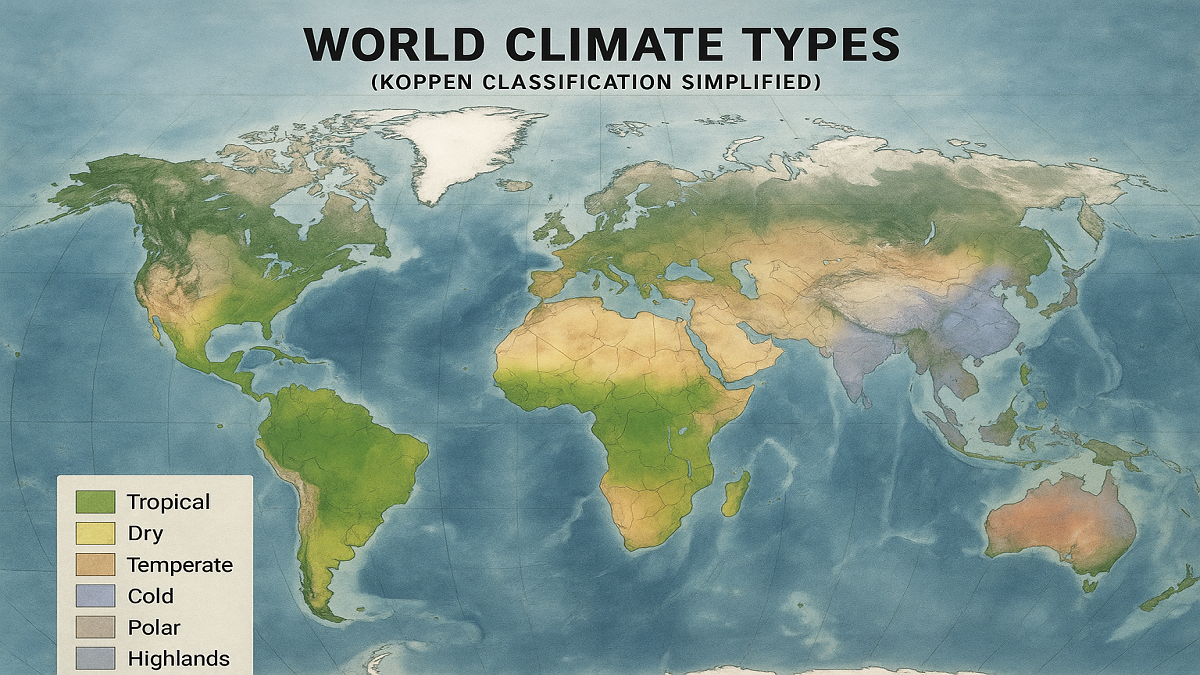
The climate crisis demands an immediate, coordinated shift in how energy, agriculture, and infrastructure operate across the United States. Rising global temperatures, historic droughts, and frequent extreme weather events aren't distant threats; they're active pressures reshaping regional economies and public health. Addressing this reality requires looking past generic slogans and examining the precise mechanisms driving carbon emissions, along with the practical structural transitions needed to stabilize ecosystems.
At its core, the fight for a sustainable future centers on decarbonizing heavy industries and modernizing power grids. According to data from the Environmental Protection Agency, the transportation and electricity generation sectors account for the largest shares of domestic greenhouse gas emissions. Transitioning these systems away from fossil fuels involves substantial engineering, financial investments, and policy reforms that balance immediate economic stability with long-term ecological preservation.
The Science and Drivers of Industrial Emissions
Greenhouse gases like carbon dioxide and methane trap thermal energy within the atmosphere, driving long-term global warming trends. The primary driver remains the continuous burning of coal, natural gas, and oil for power and transport. While individual conservation habits matter, the scale of the crisis requires systemic industrial shifts.
Agricultural practices also contribute significantly through land-use changes and methane releases from livestock. Modernizing these operations involves adopting regenerative farming techniques that restore soil organic matter and reduce synthetic fertilizer dependence. These methods lower net emissions while increasing the resilience of food supply chains against severe weather shocks.
- Fossil fuel combustion remains the leading source of carbon dioxide.
- Methane emissions from natural gas infrastructure and agriculture accelerate near-term warming.
- Deforestation reduces natural land-based carbon sinks, compounding atmospheric concentrations.
Transitioning to Renewable Energy Grids
Shifting the national electrical grid away from coal and gas requires scaling wind, solar, and advanced storage technologies. Intermittent generation sources demand high-capacity battery infrastructure and upgraded transmission lines to move power efficiently from rural generation sites to urban demand centers.
States that mandate clean energy portfolios have shown that rapid deployment is technically feasible. However, bottlenecks in permitting processes and supply chains for critical minerals like lithium and cobalt often slow down construction. Overcoming these hurdles requires streamlined regulatory approvals paired with strict environmental safeguards for mining and manufacturing.
Overcoming Grid Bottlenecks
Building a resilient energy infrastructure means addressing physical and administrative roadblocks. Local zoning laws frequently delay utility-scale solar and wind projects, while outdated transmission pathways strand cheap renewable power in remote regions.
- Streamline federal and state permitting reviews for high-voltage transmission lines.
- Expand domestic manufacturing capacity for energy storage components.
- Upgrade local distribution transformers to handle decentralized rooftop solar inputs.
Climate Equity and Vulnerable Communities
Environmental degradation rarely impacts all populations equally. Low-income neighborhoods and communities of color frequently sit closer to major industrial polluters, busy freight corridors, and flood-prone zones. This exposure leads to higher rates of asthma, cardiovascular disease, and vulnerability during extreme heatwaves.
A functional sustainability strategy must prioritize these frontline regions. Directing investments toward urban green spaces, air filtration in public buildings, and community-owned solar microgrids helps correct historical inequities while building localized defense systems against climate shocks.
Economic Policy and Market Mechanisms
Market incentives play a crucial role in steering private capital toward green technologies. Placing a clear economic value on carbon emissions encourages corporations to innovate and reduce their environmental footprint without requiring top-down micro-management of every industrial process.
Federal tax credits for electric vehicles, home heat pumps, and industrial hydrogen production have accelerated private sector investments. As manufacturing scales up, unit costs drop, making sustainable alternatives competitive with traditional fossil-fueled technologies.
Effective climate policy aligns private economic incentives with public ecological goals, turning sustainability from a compliance burden into a market advantage.
Frequently Asked Questions
What are the primary sources of domestic carbon emissions?
The transportation and electricity generation sectors generate the largest share of greenhouse gases in the United States, followed closely by industrial manufacturing and agricultural production.
How do renewable energy grids handle intermittent power supply?
Grids manage variability by combining wind and solar with large-scale battery storage, pumped-hydro facilities, and high-voltage transmission lines that balance supply across different geographic regions.
Why is climate equity a critical part of environmental policy?
Marginalized communities experience disproportionate exposure to pollution and climate hazards due to historical zoning and infrastructure decisions, making targeted health and resilience investments essential.
What role do carbon pricing mechanisms play?
Carbon pricing creates a financial cost for emitting greenhouse gases, motivating businesses to adopt cleaner production methods and invest in low-carbon innovations.



