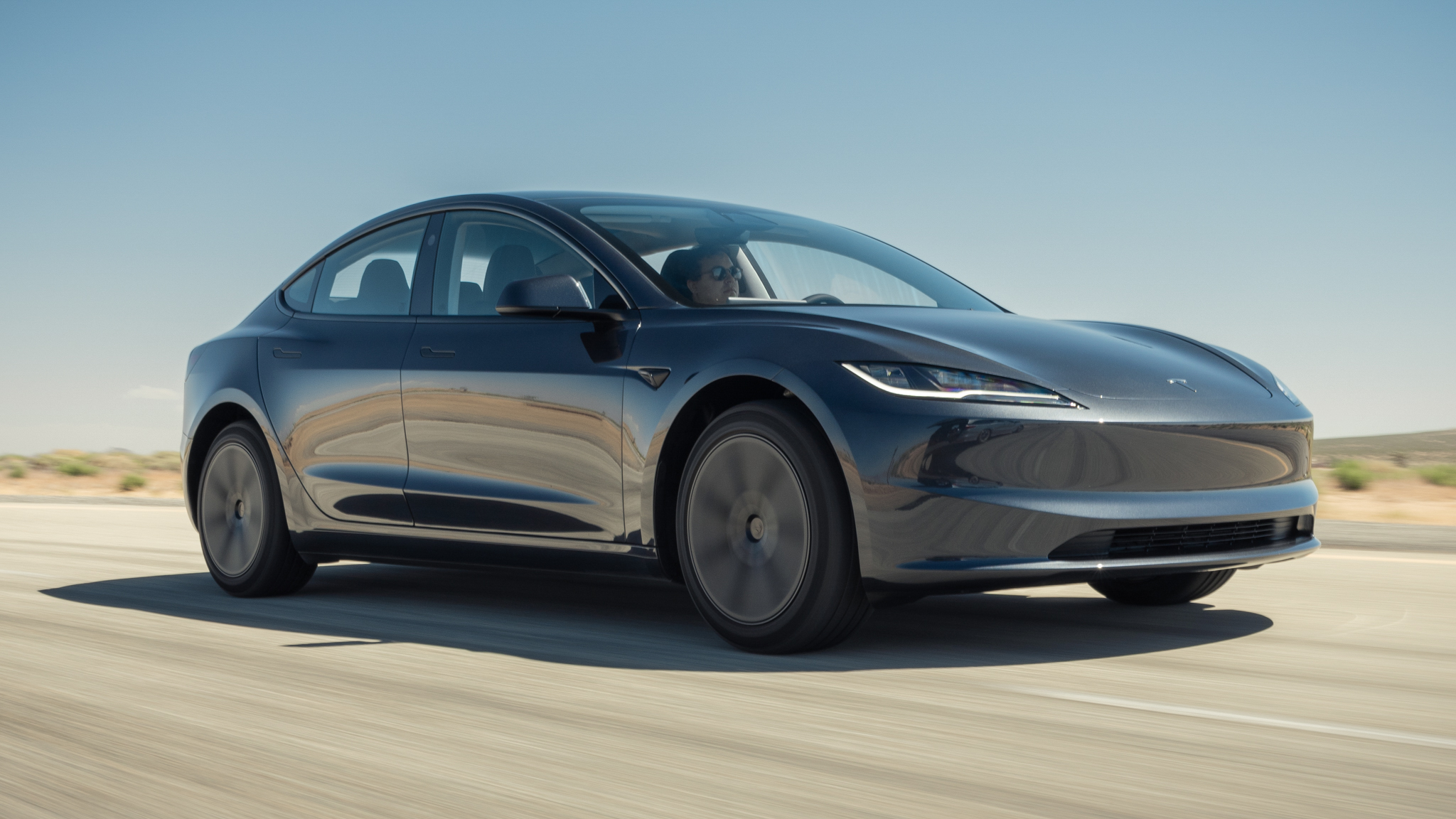
When you push a Tesla Model 3 up to highway speeds, physics takes over and your battery drains faster. At a steady 120 km/h, energy consumption spikes because aerodynamic drag increases exponentially with speed. Real-world tests show that maintaining this pace on open motorways pushes consumption figures into the 17 to 21 kWh/100 km range, which cuts your total driving distance significantly compared to EPA or WLTP laboratory ratings. Understanding how high-speed cruising affects your battery helps you plan road trips without unexpected charging stops.
The Physics of 120 kmh Highway Driving
At lower speeds around 50 to 80 km/h, rolling resistance and auxiliary systems consume a notable share of your vehicle's energy. Once you cross the 100 km/h threshold, aerodynamic drag becomes the dominant force working against the motor. Because air resistance scales with the square of your velocity, pushing from 90 km/h to 120 km/h demands a massive leap in power output.
The Tesla Model 3 features an exceptionally low drag coefficient of around 0.219 to 0.23 depending on the production year and trim. This sleek profile shields it from massive efficiency drops that boxier electric SUVs face. Even with class-leading aerodynamics, punching a hole through the air at 120 km/h means the battery must continuously deliver roughly 20 to 25 kilowatts of power just to maintain momentum on flat terrain.
Real-World Consumption Breakdown
Real-world efficiency varies based on ambient temperature, wheel size, and vehicle trim. Standard Range variants and Long Range dual-motor setups react differently to sustained high-speed loads.
- Standard Range (Rear-Wheel Drive): At 120 km/h in moderate weather, expect consumption to hover around 170 to 185 Wh/km. This translates to a real-world highway range of roughly 320 to 350 kilometers from a full charge down to zero.
- Long Range (All-Wheel Drive): Equipped with a larger battery pack, the Long Range variant handles highway cruising comfortably, seeing consumption rates near 175 to 195 Wh/km at 120 km/h. Total driving range settles around 400 to 450 kilometers under ideal conditions.
- Performance Trims: Sitting on wider tires and heavier alloy setups, Performance models see consumption jump closer to 200 to 210 Wh/km at high speeds, reducing total non-stop highway legs.
To put these numbers into perspective, you can review official specifications and test standards directly on the Tesla Support portal or compare independent data over at EVKX.
Factors That Make High-Speed Drain Worse
Driving at a constant 120 km/h is rarely done in a vacuum. Several compounding elements will accelerate your state of charge depletion on long stretches of asphalt.
Ambient Temperature and Climate Control
Cold air is denser than warm air, which increases aerodynamic drag during winter months. Furthermore, running the cabin heater demands 1 to 3 kilowatts of continuous power. When you combine cold ambient temperatures with highway speeds, your overall range can drop by 25 to 35 percent compared to a warm summer drive.
Wheel and Tire Selection
Aero covers on factory 18-inch wheels aren't just cosmetic; they smooth out turbulent air swirling around the wheel wells, saving about 2 to 3 percent in energy at high speeds. Swapping those out for open 19-inch or 20-inch performance rims increases rotational mass and aerodynamic drag, bumping your 120 km/h consumption up noticeably.
Headwinds and Elevation Changes
A modest 20 km/h headwind turns your effective cruising speed into 140 km/h from the car's aerodynamic perspective. Climbing mountain passes at 120 km/h drains kilowatt-hours at an aggressive rate, though regenerative braking on the descent recovers a portion of that energy.
Practical Strategies for Efficient Road Tripping
You don't need to crawl along the slow lane at 90 km/h to reach your destination efficiently. Smart trip management beats hypermiling every time.
- Trust the Navigation Planner: Input your final destination directly into the built-in Tesla Navigation system. It monitors real-time wind speed, elevation, temperature, and Supercharger occupancy, telling you precisely when and how long to charge.
- Drive at Traffic Flow Speeds: Dropping your cruise control from 130 km/h down to a steady 120 km/h yields a surprisingly large preservation of battery percentage over a three-hour journey without frustrating fellow drivers.
- Precondition the Battery: Always plug into a destination or Supercharger waypoint while moving so the thermal management system warms or cools the pack beforehand, ensuring peak charging speeds when you plug in.
Frequently Asked Questions
Does Autopilot or Full Self-Driving save battery at 120 kmh?
Using automated driving features doesn't alter the laws of physics, but smooth computer-controlled acceleration and braking prevent the micro-surges in energy usage that human drivers often introduce on crowded highways.
How much range do I actually lose by driving 120 kmh instead of 100 kmh?
Expect an 15 to 20 percent reduction in total driving range when stepping your highway speed up from 100 km/h to 120 km/h due to the sharp increase in aerodynamic drag.
Is it better to drive faster and charge more often on long trips?
In most cases, traveling slightly faster and executing shorter, frequent Supercharger stops results in a faster total trip time than driving slowly to skip a single charging stop.
Do aero wheel covers make a measurable difference at high speeds?
Yes. At speeds above 100 km/h, removing factory aero caps typically reduces total efficiency by a few percentage points, translating to roughly 10 to 15 kilometers less range on a full battery.
