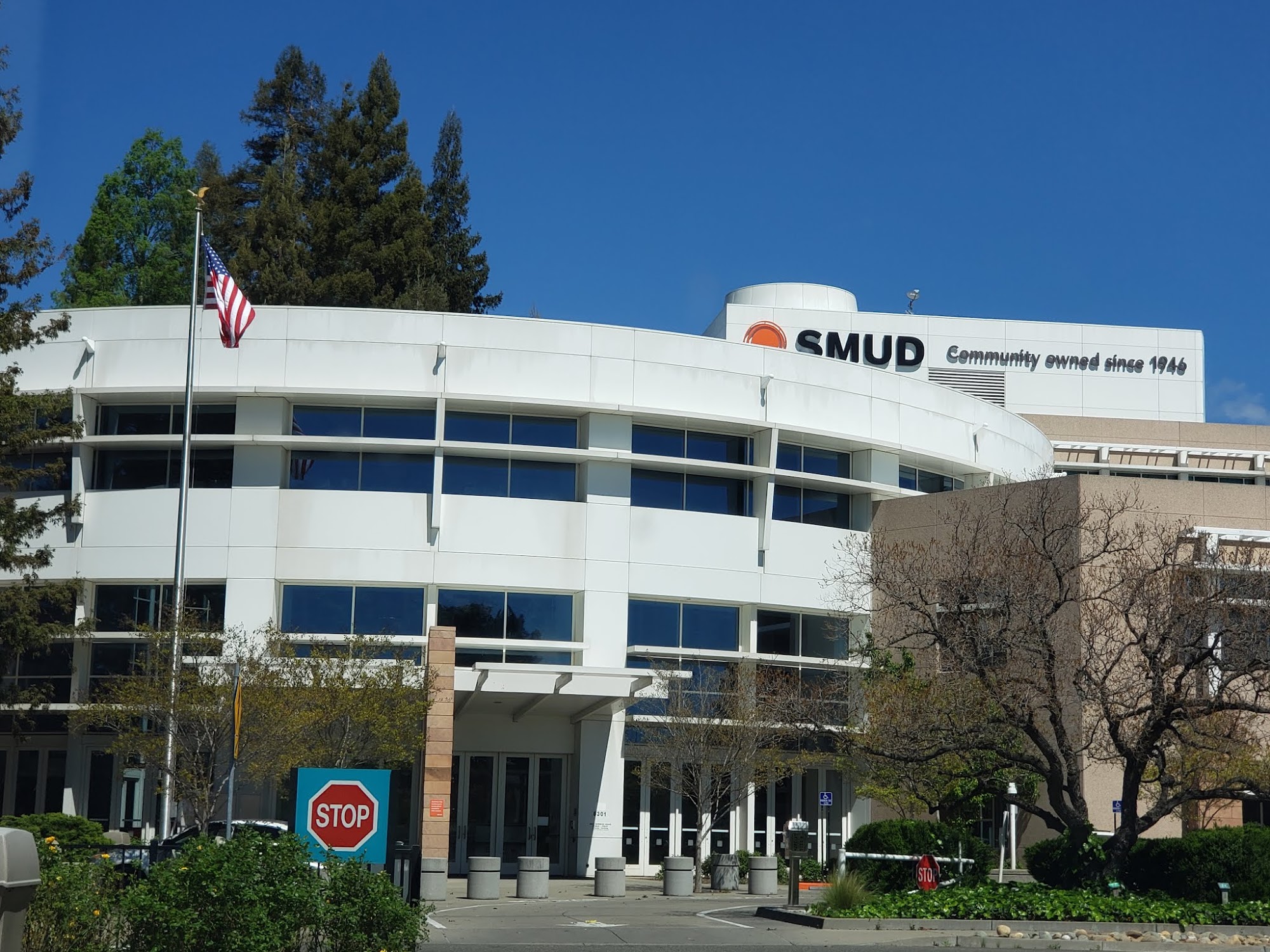
Navigating a SMUD power outage in Sacramento requires understanding regional grid stress, extreme weather impacts, and proactive household preparation. When summer heatwaves spike past one hundred degrees or winter atmospheric rivers topple local trees, the Sacramento Municipal Utility District network faces heavy strain that tests infrastructure limits. Knowing how the local grid operates helps residents move past reactive panic and build real blackout resilience before the next emergency strikes.
The Sacramento power grid balances high regional energy demands against aging distribution hardware and changing climate pressures. While SMUD operates independently from investor-owned utilities like PG&E, maintaining continuous power during peak demand periods remains a complex logistical challenge. When local substations overheat or high winds damage overhead lines, knowing how to track outages and manage your home's energy use becomes essential for safety and comfort.
Understanding Sacramento Grid Stress Factors
Sacramento experiences distinct seasonal weather extremes that push the local power infrastructure to its limits. Summer cooling loads surge as air conditioning units run simultaneously across neighborhoods from Natomas to Elk Grove. This concentrated demand creates immense stress on transformers and local distribution lines.
Winter brings a different set of vulnerabilities. Heavy storms and high-velocity winds frequently cause tree branches to collide with power lines, leading to sudden outages. Unlike structural generation failures, these weather-related events require field crews to physically repair damaged hardware line by line, which can extend restoration timelines during widespread storms.
How to Track and Interpret SMUD Outages
When your lights go out, getting accurate information quickly helps you make better decisions about food preservation, travel, and backup power.
- Check the Live Outage Map: Access the official SMUD Outage Center to view real-time data on affected customer counts, repair crew status, and estimated restoration times.
- Identify the Outage Cause: The system often lists causes such as equipment failure, vehicle accidents involving utility poles, or weather impacts. This helps you estimate how long repairs might take.
- Sign Up for Alerts: Configure text or email notifications through your SMUD account profile so you receive direct updates if conditions or restoration estimates change.
Understanding the status phases—from initial assessment and crew dispatch to active repairs—allows you to gauge when you should transition from a passive waiting stance to active emergency management.
Building Household Blackout Resilience
Waiting until an outage hits leaves you vulnerable to spoiled groceries, communication blackhouses, and extreme indoor temperatures. True grid resilience relies on redundant systems and smart preparation habits.
Prioritizing Essential Power Needs
During an extended outage, you don't need to power your entire home at once. Categorizing your daily electricity consumption helps you allocate limited backup power effectively:
- Level One: Essential communication devices, smartphone charging, medical equipment, and basic LED lighting.
- Level Two: Food preservation via refrigerators and chest freezers, plus small circulation fans during summer heat spikes.
- Level Three: Heavy appliances, well pumps, and climate control systems that require high-capacity energy storage or generator setups.
Choosing Backup Power Solutions
Gas-powered generators have long been a traditional choice, but urban and suburban Sacramento homeowners increasingly favor clean energy alternatives. Battery-based solar generators and home energy storage systems offer silent operation, zero indoor emissions, and no need to store volatile fuel cans in the garage. Pairing a home battery with rooftop solar ensures your system can recharge when daylight returns, even if the surrounding neighborhood remains dark.
Common Mistakes During Sacramento Outages
Homeowners often make avoidable errors when responding to a sudden loss of electricity. Recognizing these pitfalls keeps your household safer.
- Opening the Fridge Too Often: Every time you open the refrigerator door, cold air escapes, drastically shortening the time perishable food remains safe. Keep doors closed and rely on coolers with ice if an outage stretches past four hours.
- Overloading Portable Generators: Running extension cords through windows or plugging high-draw appliances into underrated units creates serious fire and carbon monoxide hazards. Always follow manufacturer load limits.
- Ignoring Vulnerable Neighbors: Extreme temperatures pose health risks to elderly residents or those dependent on medical devices. Ensure vulnerable family members or neighbors have communication plans and backup resources in place.
Reviewing your emergency supplies twice a year—before peak summer heat and winter storm seasons—ensures your flashlights, non-perishable food stocks, and backup batteries are ready for deployment.
Frequently Asked Questions
How does SMUD handle rolling blackouts?
SMUD utilizes rotating outages only as an absolute last resort to stabilize the power grid during severe supply emergencies. If these occur, outages are typically rotated among designated sections for roughly one hour at a time to prevent a total systemic collapse.
Are solar customers exempt from outages?
No. Standard grid-tied solar systems automatically shut down during a power outage for safety reasons to prevent backfeeding electricity into lines where utility crews are working. To maintain power during an outage, solar owners must have integrated battery storage.
What should I do if I see a downed power line?
Always treat downed power lines as live and extremely dangerous. Stay far away, keep pets and family members back, and immediately call 911 followed by SMUD's emergency dispatch line.
How long will refrigerated food stay safe without power?
An unopened refrigerator keeps food safely cold for roughly four hours. A full freezer holds its temperature for about 48 hours if the door remains tightly shut.



