Renewable resources are natural assets that replenish themselves faster than they're consumed, providing a continuous supply of energy and raw materials without exhausting the planet. Unlike finite fossil fuels like coal and oil, which take millions of years to form, wind, sunlight, and flowing water regenerate naturally on human timescales. Transitioning to these assets forms the core of modern sustainability strategies worldwide.
Understanding how these natural systems operate requires looking beyond basic definitions. We have to examine how clean power generation works, where current infrastructure falls short, and what practical hurdles stand in the way of global adoption.
What Defines a Renewable Resource?
A resource earns the label "renewable" when its natural replenishment rate matches or exceeds human extraction. Sunlight arrives daily, wind currents shift across the globe continuously, and water cycles through rain and evaporation without disappearing.
However, natural abundance doesn't mean careless management. For example, forests and freshwater supplies are technically renewable, but over-logging or excessive groundwater pumping can outpace their natural recovery cycles. True sustainability requires keeping consumption below the Earth's capacity to regenerate.
Major Types of Renewable Resources
Different regions rely on distinct natural advantages to produce power and materials. The most prominent systems include:
- Solar Energy: Photovoltaic cells capture radiation from the sun and convert it directly into electricity. Modern solar panels operate efficiently even on cloudy days, making them viable across residential and utility scales.
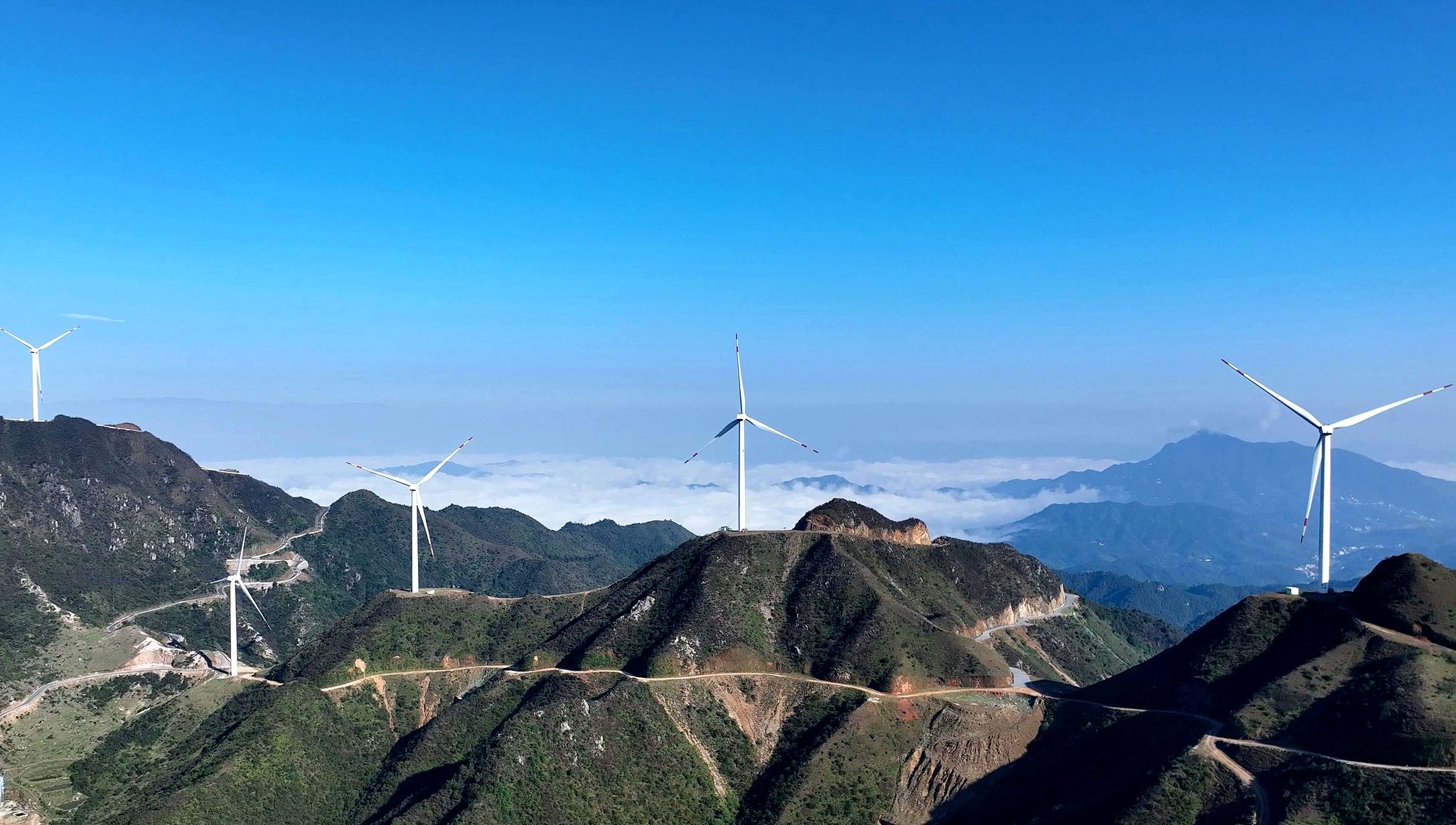
- Wind Power: Massive turbines harness kinetic energy from moving air masses, turning wind velocity into electrical current. Onshore and offshore wind farms now generate substantial portions of grid power globally.
- Hydropower: Flowing or falling water from rivers and engineered reservoirs spins heavy turbines to create electricity. According to the United Nations, hydropower remains the largest source of renewable electricity in the global energy sector.
- Geothermal Energy: This approach taps into thermal heat trapped beneath the Earth's crust. Wells draw up high-temperature water or steam to drive turbines or heat buildings directly.
- Biomass: Organic materials—including agricultural residues and dedicated energy crops—can be burned or converted into biofuels to generate heat and power.
Benefits of Harnessing Nature's Power
Moving away from carbon-heavy energy sources delivers direct environmental and economic advantages.
First, clean generation drastically cuts greenhouse gas emissions. Power plants running on coal and natural gas release millions of tons of carbon dioxide and toxic pollutants yearly, driving global climate shifts and respiratory illnesses. Wind and solar installations produce electricity with zero direct emissions.
Second, renewable systems improve energy security. Nations that depend on imported petroleum face volatile price swings and supply chain disruptions. Sunlight and wind are domestic assets; any country can harvest them within its own borders, insulating local economies from international fuel shocks.
Third, the clean energy sector creates diverse employment opportunities. Manufacturing, installing, and maintaining solar arrays, grid batteries, and wind turbines requires a massive workforce, driving regional job growth. Organizations like the International Renewable Energy Agency track these workforce expansions as green tech investment accelerates worldwide.
Common Obstacles in the Renewable Transition
While the long-term outlook is promising, scaling clean energy presents real engineering hurdles.
- Intermittency and Storage: The sun doesn't always shine, and the wind doesn't always blow. Balancing power grids requires advanced battery storage systems and smart distribution networks to save excess energy for peak demand hours.
- Initial Capital Costs: Building utility-scale solar farms, offshore wind towers, and geothermal plants demands heavy upfront investment. Even though operating costs are low, securing financing remains difficult in developing regions.
- Land and Resource Footprint: Large renewable projects require significant geographic space. Manufacturing solar cells and high-capacity batteries also depends on mined minerals like lithium, cobalt, and nickel, creating separate environmental mining concerns.
Frequently Asked Questions
Is nuclear energy considered a renewable resource?
No. Nuclear power relies on uranium, a finite mineral extracted from the earth. While nuclear generation produces low carbon emissions, it's classified as an alternative energy source rather than a renewable one because uranium supplies will eventually run out.
What happens to solar panels when they reach the end of their lifespan?
Standard solar panels last roughly 25 to 30 years. As early installations age, recycling programs are expanding to recover valuable materials like silicon, silver, and copper, preventing electronic waste from overwhelming landfills.
Can individual homeowners switch entirely to renewables?
Yes. Many residential property owners install rooftop solar arrays paired with home battery storage units. Depending on local climate and energy efficiency, houses can achieve partial or total energy independence from the traditional utility grid.



