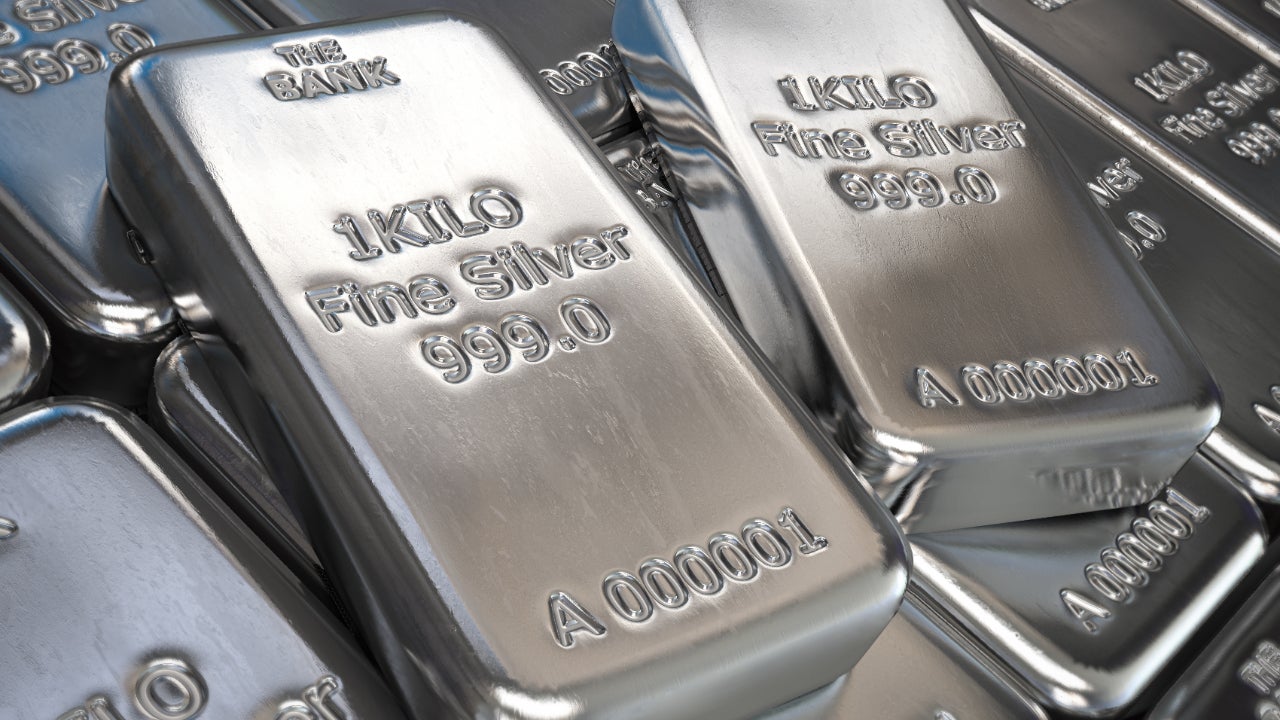
Silver battery technology is stepping out of specialized aerospace applications and into the mainstream conversation, challenging the dominance of traditional lithium-ion systems. As automakers and energy storage developers hunt for higher energy densities and faster charging times, silver-based chemistries and silver-carbon composite anodes have emerged as potential game-changers. Yet, the core tension remains financial: silver is a precious metal, while lithium relies on earth-abundant materials. Understanding how these two power sources stack up requires looking past the hype and examining exact metrics, material costs, and structural manufacturing limits.
At its core, silver battery tech covers both mature chemistries like silver-zinc and cutting-edge innovations such as solid-state silver-carbon cells. Traditional silver-zinc systems offer incredible safety and high discharge rates, but their widespread use has been constrained by raw material expenses and cycle life limitations. Meanwhile, next-generation solid-state architectures developed by firms like Samsung integrate silver-carbon composite anodes to stop lithium dendrites from forming, allowing cells to achieve energy densities near 500 Wh/kg while supporting rapid charging.
How Silver Batteries Work and Where They Excel
To grasp why engineers are looking at silver, you have to look at electrochemistry and conductivity. Silver boasts the highest electrical and thermal conductivity of any metal, which allows electrons and ions to flow smoothly with minimal resistance. In standard lithium-ion cells, the liquid electrolyte and graphite anode can degrade over time, leading to internal short circuits caused by needle-like lithium growths called dendrites.
By substituting or supplementing standard anode materials with a silver-carbon composite layer, manufacturers create an even plating surface. This stops dendrites from sprouting, drastically extends battery lifespan, and enables fast charging cycles—such as powering from 10% to 80% in roughly ten minutes. Furthermore, because solid-state designs eliminate volatile liquid electrolytes, they drastically reduce fire risks and operate more reliably across wider temperature ranges.
Price Realities: Can Silver Outcompete Lithium?
The primary obstacle preventing silver from replacing lithium is raw material economics. Lithium-ion batteries benefit from massive economies of scale, established global supply chains, and decades of manufacturing optimization. Lithium, nickel, and iron phosphate are relatively abundant and inexpensive to source in high volumes.
Silver, on the other hand, is a precious metal with global mine production sitting around 25,000 metric tons annually. Much of this supply is already consumed by photovoltaics, electronics, and jewelry. Early estimates suggest that outfitting an electric vehicle with a silver-intensive solid-state battery pack could require up to one kilogram of silver per car. If even a fraction of the global EV market adopted this technology, it would create massive structural deficits that could push silver prices higher.
Because of these cost dynamics, silver won't immediately displace lithium in budget-friendly, mass-market electric vehicles. Instead, initial commercialization is targeted at premium automotive segments, high-performance aerospace gear, and specialized defense applications where upfront cost takes a backseat to extreme performance, safety, and longevity. For more details on market dynamics, you can review insights from the Silver Institute.
Performance Head-to-Head: Silver vs. Lithium-Ion
When comparing performance metrics directly, silver and lithium-ion serve different design philosophies:
- Energy Density: Next-generation silver solid-state cells target around 500 Wh/kg, significantly outperforming standard lithium-ion packs that typically hover between 150 to 270 Wh/kg. Higher density means more driving range or runtime in a smaller, lighter package.
- Charging Speed: Silver-carbon anodes facilitate rapid ion transfer, allowing experimental cells to drop charge times below ten minutes. Standard lithium-ion setups usually require 20 to 40 minutes for a comparable fast charge.
- Safety and Thermal Stability: Traditional lithium-ion cells are susceptible to thermal runaway if punctured or overcharged. Solid-state silver designs use non-flammable solid electrolytes, sharply reducing fire hazards.
- Cycle Life and Degradation: While older silver-zinc chemistries suffered from shorter cycle spans (150 to 300 cycles), modern solid-state prototypes target 1,000 to 1,500 charge cycles before significant capacity loss, matching or beating many commercial lithium-ion cells.
Common Misconceptions About Silver Batteries
As interest in alternative energy storage grows, several myths have circulated regarding how soon silver will replace lithium on showroom floors.
One common mistake is assuming silver batteries are widely available for consumer electronics today. While silver-oxide button cells have powered watches and hearing aids for decades, rechargeable silver-carbon EV batteries are still transitioning from advanced laboratory testing to early production pilot lines.
Another error is ignoring supply chain elasticity. Some analysts project staggering tonnage demands if every car uses a kilogram of silver, but battery engineers are actively working on ways to minimize silver loading, utilize ultra-thin seed layers, or mix silver with cheaper base metals to curb costs. You can track broader industrial commodity trends through resources like Bloomberg.
Frequently Asked Questions
Will silver batteries completely replace lithium-ion in electric vehicles?
No, not in the near term. While silver offers superior energy density and safety in solid-state formats, lithium-ion and lithium iron phosphate (LFP) chemistries will remain dominant for mass-market vehicles due to lower production costs and mature manufacturing infrastructure.
How much silver does a solid-state battery actually require?
Current pre-production prototypes developed by major tech firms estimate a requirement of approximately 5 grams of silver per cell, translating to roughly one kilogram of silver for a standard 100 kWh vehicle battery pack.
Are silver batteries rechargeable?
Traditional silver-oxide button cells are primary (single-use) batteries, but advanced silver-zinc and silver-carbon solid-state architectures are fully rechargeable and built for thousands of cycles.
Why does silver prevent battery fires?
Silver-carbon composite anodes prevent the formation of sharp lithium dendrites that pierce internal separators. Combined with solid-state electrolytes that replace volatile liquid solvents, this eliminates the primary cause of thermal runaway.
