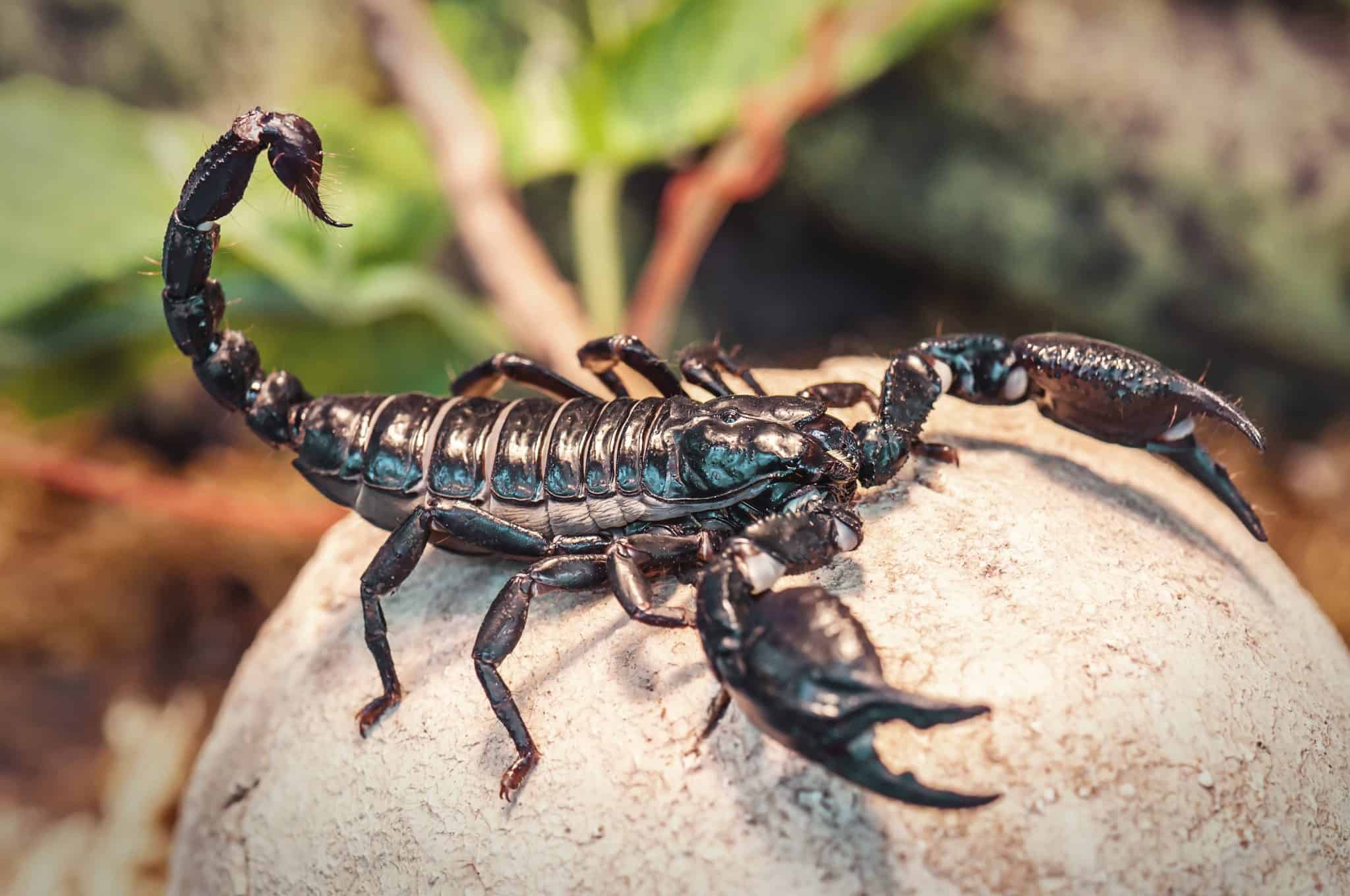
Scorpion farming is a niche agricultural venture focused on breeding arachnids for pharmaceutical research, anti-venom production, and biomedical applications. While internet rumors often fixate on astronomical venom prices, building a sustainable operation requires strict regulatory compliance, specialized facility design, and meticulous animal husbandry. You won't strike gold overnight, but understanding the real mechanics of commercial production sets the foundation for a viable enterprise.
Commercial scorpion cultivation centers on two primary revenue models: supplying live specimens to research institutions or extracting and selling raw venom to laboratories. Choosing the right path dictates your initial capital layout, safety infrastructure, and licensing requirements. Let's break down what it takes to launch and manage a functional scorpion production facility without falling for common industry myths.
Assessing Market Reality and Profit Potential
Many prospective farmers enter the market expecting instant wealth based on viral statistics about venom pricing. Realism matters when you're planning a livestock facility. Pharmaceutical buyers require standardized, high-purity compounds from specific species like the Deathstalker (Leiurus quinquestriatus) or the Emperor Scorpion (Pandinus imperator). Common local species yield little commercial value and demand lower market rates.
Venom extraction requires specialized equipment, typically involving electrical stimulation devices that safely trigger a discharge without harming the animal. A single specimen yields only a fraction of a milligram per milking session, meaning you need a large, mature colony to generate viable commercial quantities. Alternatively, some breeders focus on supplying live specimens to universities and biotech firms for academic studies or compound testing.
Regulatory hurdles add another layer of complexity. Because these arachnids are venomous, local and national wildlife departments regulate their possession, transport, and breeding. You'll need to secure the proper permits before acquiring your foundational stock. Ignoring these legal frameworks can result in heavy fines or the immediate confiscation of your colony.
Setting Up the Facility and Habitat Design
Designing a secure, climate-controlled facility is your most critical step. Scorpions are notorious escape artists that squeeze through surprisingly small gaps. Your housing units must be escape-proof, durable, and easy to clean.
Most commercial breeders utilize vertical rack systems holding plastic enclosures or modified terrariums. Individual housing prevents cannibalism, which remains a constant risk in communal setups. Each enclosure requires precise environmental controls to mimic the natural habitat of your chosen species.
- Temperature Control: Maintain ambient temperatures between 25 and 32 degrees Celsius depending on the species, using ceramic heat emitters or under-tank heating pads connected to reliable thermostats.
- Humidity Management: Keep hygrometers in every enclosure. Desert species require low humidity (around 30-40 percent), while tropical species need levels up to 80 percent maintained via routine misting.
- Substrate and Hides: Use inert substrates like clean reptile sand or coconut fiber, paired with slate pieces or cork bark to provide necessary hiding spots that reduce stress.
Good ventilation prevents mold growth and respiratory infections within the colony. For more guidance on specialized livestock facility standards, you can review guidelines provided by the USDA Animal and Plant Health Inspection Service.
Feeding and Colony Management
Managing your feed supply forms a major operational expense. Scorpions eat live insects, including crickets, roaches, and mealworms. Breeding your own feeder insect colony cuts operational costs significantly compared to buying weekly shipments from commercial pet suppliers.
Feeding frequency depends on the age and species of your livestock. Adults typically eat once or twice a week, while growing nymphs require more frequent meals to support molting. Always remove uneaten prey items promptly, as live insects can injure a molting scorpion when its exoskeleton remains soft.
Water management requires care. While tropical species drink water droplets from misting, desert species obtain most of their moisture from their prey. Providing shallow water dishes with small pebbles prevents drowning while ensuring access to hydration.
Common Mistakes to Avoid
New breeders often make critical errors that compromise colony health or worker safety. Avoiding these pitfalls protects your investment and ensures animal welfare standards are met.
- Overcrowding Enclosures: Housing multiple adults together often triggers territorial aggression and cannibalism, destroying your breeding stock.
- Neglecting Hygiene: Failing to remove waste and leftover food causes mite infestations and fatal fungal outbreaks within the rack system.
- Inadequate Safety Protocols: Handling venomous specimens without proper long forceps, heavy-duty gloves, and secure transfer bins invites serious accidents.
Safety gear isn't optional when you're managing hundreds of venomous animals. For comprehensive workplace safety standards regarding hazardous biological agents and venoms, consult resources from the Occupational Safety and Health Administration.
Frequently Asked Questions
How long does it take for a scorpion to mature?
Most species take between six and twelve months to reach adulthood, passing through multiple molting stages as nymphs. Growth rates depend heavily on ambient temperature and consistent feeding schedules.
Can you milk scorpions without harming them?
Yes. Modern commercial operations use low-voltage electrical stimulation designed to induce a defensive reflex without injuring the animal, allowing continuous milking every two to three weeks.
What permits do I need to start a scorpion farm?
Requirements vary by region, but you typically need commercial agricultural registration, specialized exotic animal permits from state wildlife agencies, and local zoning approval for housing venomous livestock.
How do I find buyers for scorpion venom?
Commercial buyers include pharmaceutical laboratories, biotechnology companies, and academic research institutions. Building direct B2B relationships requires documented purity standards and compliance with scientific supply chains.



