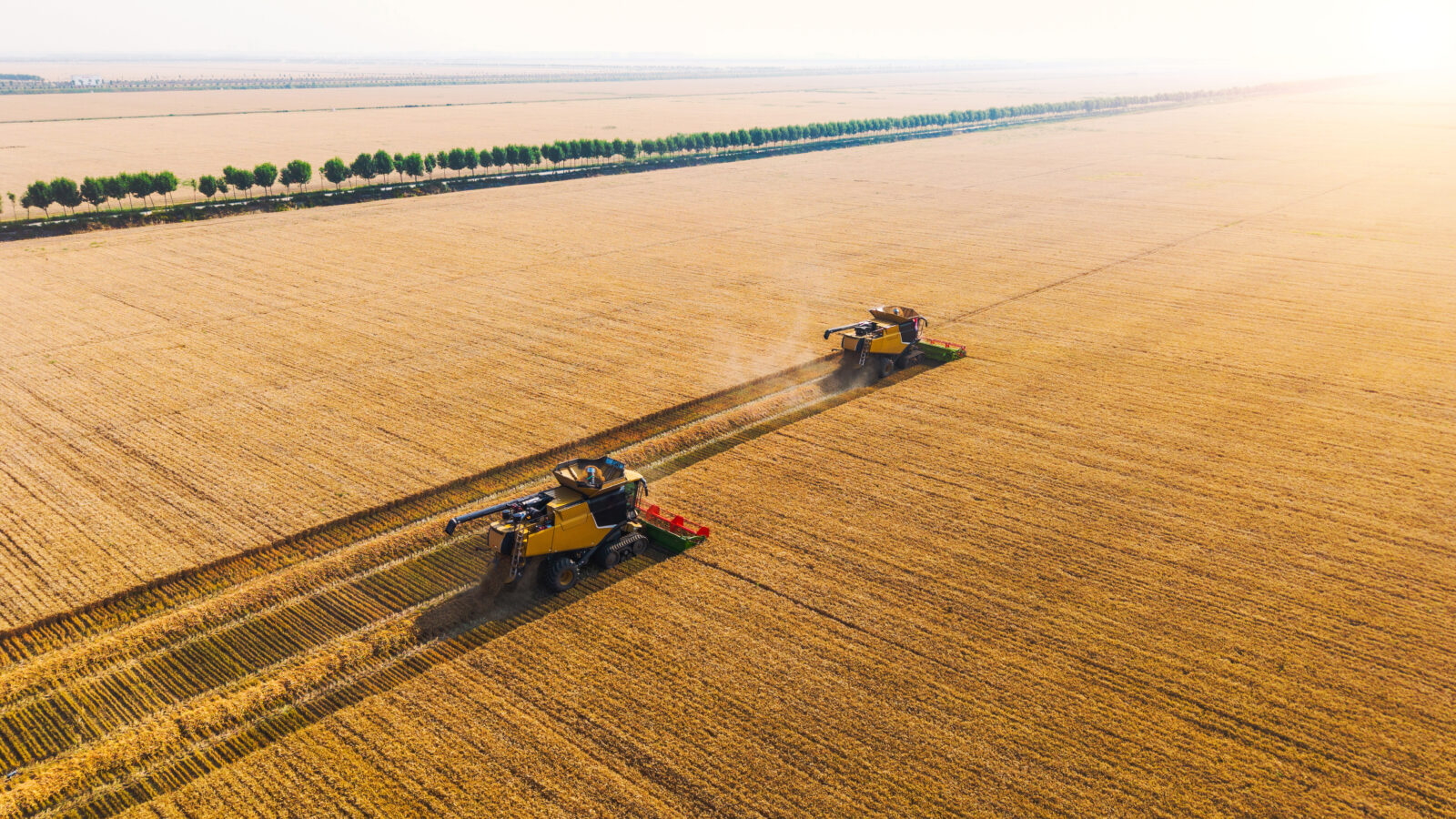
Agriculture is the practice of cultivating soil, growing crops, and raising livestock to sustain human life and economies. At its core, it spans far beyond simple crop production, functioning as an intricate web where biological diversity, regional food systems, and deep-rooted human traditions intersect. When we examine what agriculture truly means, we find a dynamic relationship between environmental ecosystems and the cultural identities that have evolved around the dining table for millennia.
Defining Modern Agriculture and Its Core Pillars
Modern agriculture operates on a much broader scale than ancient farming, integrating science, technology, and ecological management. It rests on three pillars: productivity, sustainability, and equity. Productivity focuses on maximizing yields to feed a growing global population. Sustainability addresses the environmental footprint, looking at soil health, water conservation, and carbon reduction. Equity ensures that smallholder farmers—who produce a significant share of the world's food—have fair access to land, resources, and markets.
The evolution of these practices shifted dramatically during the mid-20th century. High-yielding crop varieties and chemical fertilizers transformed outputs, yet they also introduced vulnerabilities. Industrial monocultures, while efficient for large-scale harvesting, reduced genetic diversity across millions of hectares. Understanding how we got here requires looking at the delicate balance between high-output farming and ecological resilience.
The Role of Biodiversity in Resilient Food Systems
Biodiversity acts as nature's insurance policy against total crop failure. In monoculture systems, a single pest outbreak or prolonged drought can devastate an entire harvest. Conversely, diverse farming systems—often called polycultures—integrate multiple crops and livestock species that support one another.
- Nutrient Cycling: Different plants extract and deposit unique nutrients, reducing the need for synthetic fertilizers.
- Pest Suppression: Varied plant species confuse pests and attract natural predators, lowering chemical dependency.
- Climate Adaptation: Drought-tolerant varieties planted alongside moisture-loving staples buffer against erratic weather patterns.
Agroecological projects have shown that maintaining varied crop species stabilizes annual income. While specialized monocultures might yield massive profits in ideal years, diversified farms maintain a flatter, more reliable financial curve through unpredictable seasons. Organizations like the Food and Agriculture Organization emphasize that agrobiodiversity is non-negotiable for long-term global food security.
How Agriculture Transforms Cultures Worldwide
Food is never just fuel; it's an expression of cultural heritage. What people grow dictates what they cook, celebrate, and pass down through generations. Agricultural practices dictate social structures, seasonal festivals, and culinary arts across every continent.
When industrial shifts force communities to abandon traditional farming for cash-crop monocultures, they risk losing more than just a harvest. They lose localized knowledge systems tied to specific landscapes. For example, traditional rice-fish co-culture systems in parts of Asia provide both protein and grain while sustaining local culinary traditions. Preserving these farming methods safeguards cultural identity and culinary diversity worldwide.
Common Pitfalls in Agricultural Transition
Transitioning toward diverse, sustainable food systems isn't straightforward. Several common hurdles trip up agricultural programs:
- Ignoring Downstream Markets: Encouraging farmers to grow diverse heritage crops fails if local markets only buy commercial commodities.
- Over-Standardizing Knowledge: Handing out generalized manuals doesn't work; agricultural techniques depend entirely on localized soil and climate conditions.
- Short-Term Financial Strain: Diversifying crops can initially lower immediate cash revenue compared to a heavily subsidized single cash crop.
Successful transitions require matching ecological goals with real economic incentives for producers on the ground. You can review guidelines on sustainable transitions through resources provided by the CGIAR.
Frequently Asked Questions
What is the difference between monoculture and polyculture?
Monoculture involves growing a single crop species over a vast area, which maximizes short-term harvest efficiency but increases vulnerability to pests and climate shocks. Polyculture grows multiple crops together, mimicking natural ecosystems to improve resilience and soil health.
Why is agricultural biodiversity declining?
Global markets have historically favored a small handful of high-yielding staple crops like wheat, rice, and corn. This economic incentive, combined with industrial farming expansion, has crowded out thousands of local crop varieties and livestock breeds.
How does agriculture influence cultural identity?
Farming shapes the rhythm of rural life, culinary traditions, and social rituals. Local ingredients dictate regional cuisines, while agricultural cycles often inspire traditional music, holidays, and community gatherings.
Can diversified agriculture feed the world?
Yes. While industrial farming produces high volumes of specific calories, small-scale diversified farms actually produce a massive portion of the world's nutrients on a fraction of the land, while protecting the natural resources required for future harvests.


