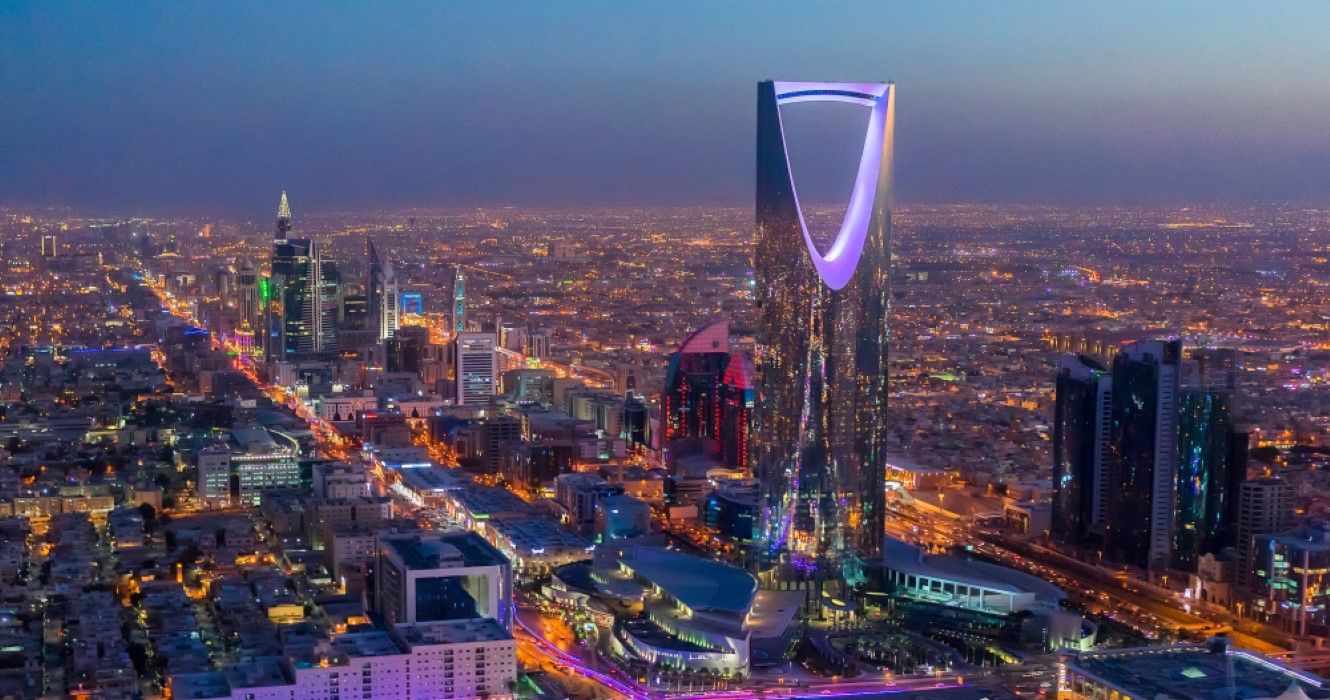
Saudi Arabia's aviation sector is undergoing a massive transformation under Vision 2030, shifting from a regional transport network into a powerhouse for global connectivity. The Kingdom aims to attract 150 million annual visitors and handle 330 million air passengers by the end of the decade, reshaping how major carriers operate across the Middle East.
This shift relies on a dual-hub model, large-scale fleet modernization, and the introduction of tech-forward infrastructure. Understanding how Saudi airline companies navigate this rapid evolution requires looking closely at strategy, fleet investments, and the changing competitive landscape.
The Vision 2030 Aviation Blueprint
The National Aviation Strategy acts as the operational roadmap for the Kingdom's transport sector. Rather than relying solely on a single flag carrier, Saudi Arabia uses a dual-engine airline model.
- Saudia: The long-standing national carrier focuses on modernization, digital integration, and expanding its core routes from Jeddah and Riyadh.
- Riyadh Air: The digital-first, newly established airline based in the capital targets long-haul international routes with a focus on cutting-edge guest experiences.
- Flyadeal: The low-cost subsidiary within the group targets budget-conscious domestic and regional travelers.
This multi-tiered approach allows the Kingdom to capture every market segment, from ultra-luxury and business travelers to budget tourists and religious pilgrims.
Saudia Fleet Renewal and Network Modernization
Founded in 1945, Saudia plays a critical role in supporting the country's religious tourism sector while expanding into global leisure markets. To support increased passenger targets, the airline is overhauling its aircraft inventory.
Saudia operates a fleet of over 140 aircraft, with massive orders placed for Boeing 787 Dreamliners and Airbus A321neo family jets. These fuel-efficient additions allow the carrier to launch direct flights to secondary European and Asian cities without routing through traditional regional hubs.
Operational efficiency remains a core focus. By updating cabin products, introducing high-speed inflight connectivity, and streamlining turnaround times at King Abdulaziz International Airport, Saudia maintains its competitive standing among legacy international carriers.
Riyadh Air and Digital-First Growth
Launched to capture high-yield business and tourist traffic, Riyadh Air operates as a digitally native airline. The carrier relies entirely on modern widebody aircraft like the Boeing 787-9 to connect its primary hub in Riyadh to major financial and cultural capitals worldwide.
Unlike traditional legacy carriers constrained by legacy IT systems, Riyadh Air builds its operations on cloud infrastructure and advanced artificial intelligence. This setup optimizes everything from crew rostering to predictive maintenance, reducing overhead costs while elevating the passenger experience.
Infrastructure Upgrades: Airports as Economic Engines
Airlines cannot scale without corresponding ground infrastructure. Saudi Arabia is investing billions in mega-projects designed to turn airports into smart cities.
- King Salman International Airport (KSIA): Located in Riyadh, this massive multi-terminal project is designed to handle up to 120 million passengers by 2030, incorporating LEED-Platinum sustainability standards and automated transit systems.
- Jeddah King Abdulaziz International Airport: Serves as the primary gateway for millions of Hajj and Umrah pilgrims, featuring dedicated terminals and high-speed rail links.
- General Aviation Terminals: Dedicated VIP facilities and streamlined regulations are driving growth in the private aviation and business jet sectors.
According to the General Authority of Civil Aviation, these infrastructure investments ensure that ground congestion does not bottleneck the surging volume of international flights.
Operational Challenges and Market Risks
Rapid scaling across the Saudi aviation market introduces distinct operational hurdles.
- Supply Chain Pressures: Global delivery delays for new aircraft and spare parts impact fleet expansion schedules for both Saudia and Riyadh Air.
- Talent Acquisition: Training thousands of pilots, engineers, and ground operations staff requires intensive, long-term educational pipelines within the Kingdom.
- Regional Competition: Competing directly with established regional giants like Emirates, Qatar Airways, and Turkish Airlines demands aggressive pricing and distinct service differentiators.
Frequently Asked Questions
What is the main goal of Saudi Arabia's aviation strategy?
The strategy aims to turn the Kingdom into a global logistics and aviation hub, targeting 330 million annual passengers and connecting to 250 destinations by 2030.
How does Riyadh Air differ from Saudia?
Saudia serves as the established legacy carrier with a diverse narrow-body and wide-body fleet handling both religious and commercial traffic, whereas Riyadh Air operates as a new, digitally native airline focused on premium long-haul global connectivity.
Are international airlines allowed to operate domestic flights in Saudi Arabia?
Yes, regulatory reforms have opened the market to foster competition, allowing greater foreign carrier participation and encouraging the growth of low-cost travel.
How are Saudi airports addressing environmental sustainability?
New mega-developments like King Salman International Airport incorporate LEED-Platinum green building standards, renewable energy sources, and advanced waste reduction technologies.



