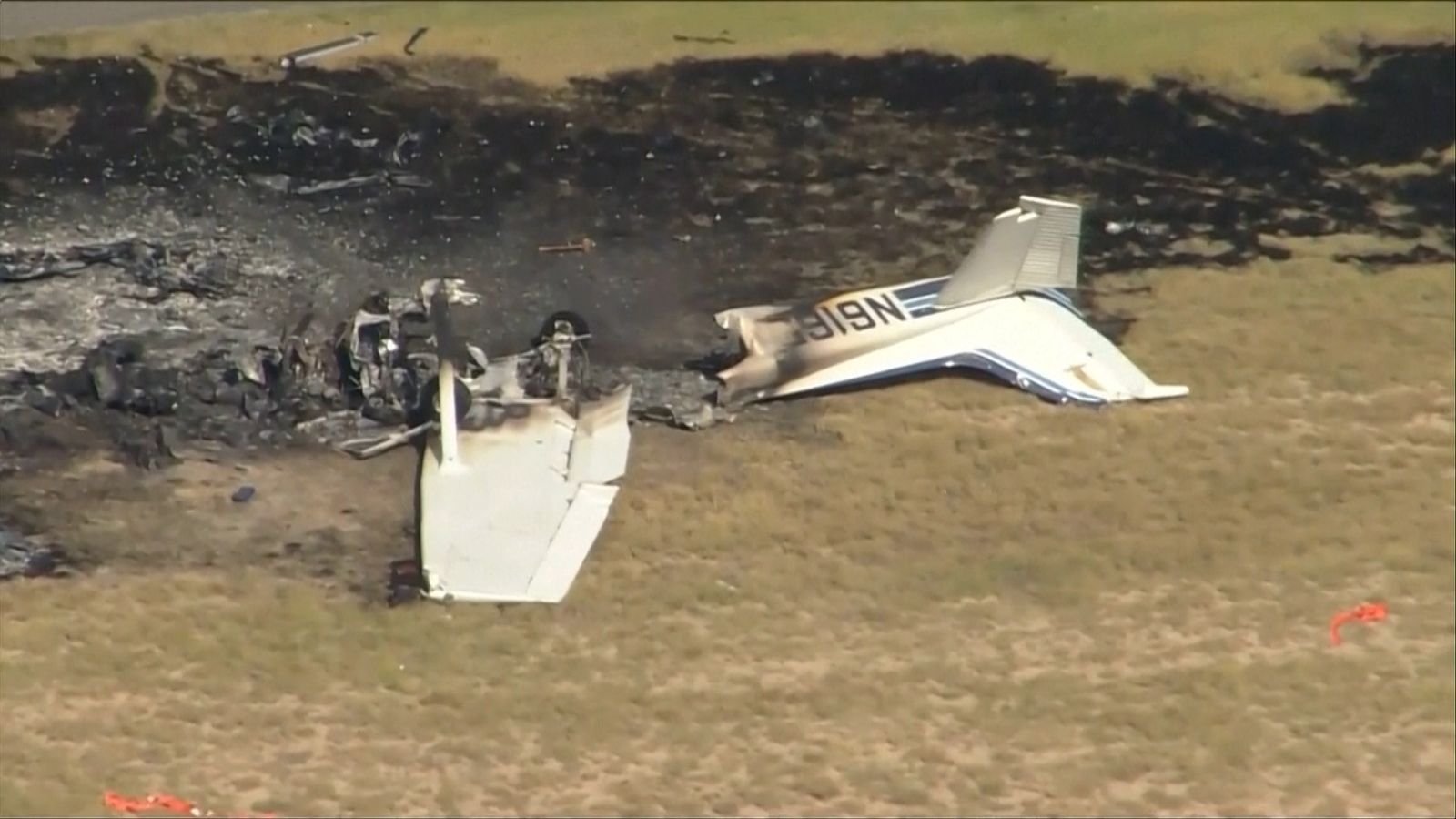
John Denver died on October 12, 1997, when his experimental homebuilt aircraft, a Rutan Long-EZ (registered as N555JD), crashed into Monterey Bay near Pacific Grove, California. He was 53 years old and the only person on board.
The crash wasn't caused by mechanical failure or intoxication, contrary to lingering rumors. Instead, an unfortunate combination of poor cockpit ergonomics, an altered fuel system, and low-altitude distraction led to the tragedy.
The Aircraft: Understanding the Rutan Long-EZ
The plane Denver flew was not a standard mass-produced Cessna or Piper. It was a Rutan Long-EZ, an amateur-built, canard-configuration aircraft designed by renowned aerospace engineer Burt Rutan.
The Long-EZ features a pusher propeller at the back, a main wing set far back, and a small horizontal wing (canard) near the nose. This design makes the aircraft efficient, fast, and virtually stall-proof in normal flight regimes. However, it also requires specific handling habits.
Custom Modifications and Design Flaws
While the basic design was sound, the specific aircraft Denver purchased just 15 days before the accident featured critical modifications made by the original builder:
- Relocated Fuel Valve: Burt Rutan's original plans specified placing the fuel tank selector valve between the pilot's legs. The builder of Denver's plane moved this handle behind the pilot's left shoulder.
- Unmarked Controls: The handle lacked any visual markings or clear labels, making it exceptionally difficult to operate blindly.
- Obscured Fuel Gauges: The fuel sight gauges were also placed behind the pilot's seat, completely out of the pilot's direct line of sight. A maintenance technician had even handed Denver an inspection mirror before the flight so he could attempt to check the fuel levels.
Sequence of Events on October 12, 1997
Denver had picked up the aircraft in Southern California and flown it to Monterey Peninsula Airport. On the afternoon of the crash, he planned a series of local practice flights.
After experiencing a brief engine start issue that required a restart, Denver took off from Runway 28. He completed three touch-and-go landings to get a better feel for the aircraft's handling characteristics.
Following the final touch-and-go, he departed straight out to the west over the water. Witnesses on the ground observed the aircraft flying at a relatively low altitude—roughly 350 to 500 feet—over a residential shoreline area.
The Final Moments
According to witnesses and National Transportation Safety Board (NTSB) analysis:
- Power Drop: Witnesses heard an audible pop and a sharp reduction in engine noise, indicating the engine starved for fuel.
- Cockpit Distraction: Because one fuel tank had likely run dry, Denver needed to switch tanks. Reaching behind his left shoulder to manipulate an unmarked, awkward valve forced him to twist his torso.
- Inadvertent Control Input: The Long-EZ uses a sensitive side-stick controller where a movement of just one-eighth of an inch initiates a roll. As Denver twisted to reach the valve, his foot braced against the rudder, and his hand inadvertently nudged the side-stick.
- The Stall-Spin: The aircraft pitched up, rolled sharply to the right, and entered an unrecoverable spiral dive before impacting the shallow water of Monterey Bay.
What the NTSB Investigation Revealed
The official NTSB Accident Report (LAX98FA008) laid out clear findings regarding the cause of the crash:
- Probable Cause: The NTSB determined the probable causes were the builder's decision to place the unmarked fuel selector handle in an inaccessible location, unmarked fuel quantity gauges, inadequate transition training for the pilot, and Denver's overall lack of experience in that specific make and model.
- Toxicology: An autopsy and toxicology screening performed by the Federal Aviation Administration (FAA) confirmed that no alcohol or drugs were present in Denver's system. The persistent rumor that he was flying under the influence was entirely false.
- Fuel Status: Wreckage examination showed the aircraft still contained usable fuel, but the engine stopped because it was drawing from an empty tank while the valve had not been successfully switched to the full tank.
Lessons Learned for the Aviation Community
John Denver's death sent shockwaves through the general aviation community, particularly among builders and pilots of experimental homebuilt aircraft.
- Standardization Matters: Moving vital controls away from standardized, manufacturer-recommended locations creates deadly hazards for subsequent pilots who rely on muscle memory or standard checklists.
- Transition Training is Non-Negotiable: Flying a high-performance or unconventional aircraft requires thorough instruction with a designated checkout pilot. Logbook hours in traditional aircraft don't automatically translate to complex experimental designs.
- Low-Altitude Management: Managing system anomalies (like a fuel switch or engine sputter) at low altitudes leaves zero margin for error. Standard pilot discipline dictates flying the airplane first, maintaining altitude and airspeed, before attempting to troubleshoot mechanical quirks.
For a deeper dive into how homebuilt aircraft safety standards evolved following this event, you can review safety analyses provided by the Aircraft Owners and Pilots Association (AOPA).
Frequently Asked Questions
Did John Denver build the plane himself?
No. The aircraft was built by Adrian D. Davis Jr. in 1987 from Rutan design plans. Denver purchased the completed plane secondhand just two weeks before the accident.
Was John Denver an experienced pilot?
Yes, Denver was an accomplished pilot with over 2,700 total flight hours. However, his time-in-type—meaning hours logged specifically in a Rutan Long-EZ—was extremely limited, which contributed to the accident.
Why couldn't he reach the fuel switch?
The builder relocated the fuel valve from its standard position between the pilot's legs to a cramped space behind the pilot's left shoulder. Compounded by Denver's height and a seat cushion he used to reach the rudder pedals, the valve was difficult to operate without losing proper control of the flight stick.
Did the plane run out of gas?
No. Investigators found fuel remaining in the aircraft's tanks after the crash. The engine sputtered and lost power because it was drawing from a dry tank, and the pilot was unable to successfully switch tanks before impact.



