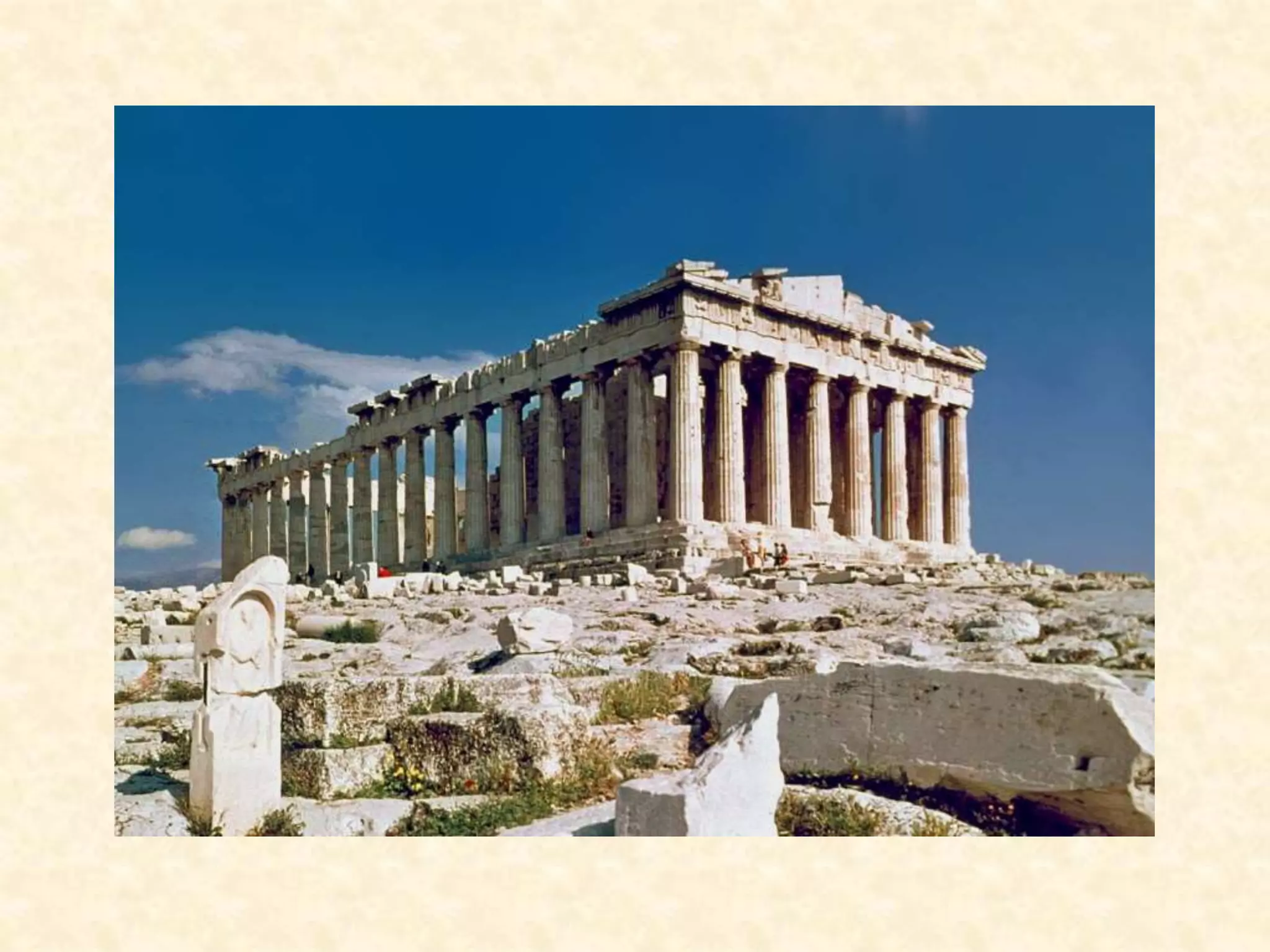
When ancient Romans walked through the Forum, they weren't just stepping through civic spaces. They were surrounded by divine claims to power. The Pantheon and the surrounding temples weren't monuments built for abstract faith. They were physical manifestations of authority, legal frameworks, and military ambition. If you want to understand why Rome conquered the Mediterranean and built a legal system that still influences modern codes, you have to look at how the Roman pantheon shaped civic identity from the ground up.
The relationship between the divine and the mortal in Rome was transactional, contractual, and deeply political. The gods didn't offer spiritual salvation in the modern sense. Instead, they offered pax deorum—the peace of the gods—in exchange for precise rituals, public sacrifices, and moral obedience. This mindset bled directly into Roman law, military strategy, and the very definition of what it meant to be a Roman citizen.
The Architecture of Authority: How Religion Built Roman Law
Roman law didn't emerge from secular philosophy alone. It was deeply intertwined with religious tradition, where the earliest laws were believed to be given by the gods or interpreted by pontiffs who bridged the mortal and divine realms.
The Pontiff and the State
The head of Roman religion was the Pontifex Maximus, a political and religious office that eventually became synonymous with the emperors themselves. This role wasn't about quiet contemplation. It was about regulation. The pontiffs managed the calendar, determined which days were legally permissible for public business (dies fasti), and which were forbidden (dies nefasti).
- The Legal Calendar: You couldn't hold court or pass laws on days sacred to the gods without committing a religious crime, or nefas.
- Sacred Oaths: Trials and contracts relied on oaths sworn before Jupiter or other deities. Lying wasn't just perjury; it was an invitation to divine wrath that could destroy the whole community.
- Vestal Virgins: These priestesses guarded the sacred fire of Rome. Their legal status was unique—they answered only to the Pontifex Maximus and held independent control over their own property, challenging standard patriarchal norms.
Divine Sanction of Legislation
Laws like the Twelve Tables, established in the 5th century BCE, were viewed as public covenants. They established that even patricians were bound by written rules, but those rules were legitimized by religious sanction. When a magistrate proposed a law, he took auspices (auspicia) to check if the gods approved. If the birds flew the wrong way, the legislative assembly adjourned. Religion served as both a brake on impulsive politics and a stamp of ultimate approval for the ruling class.
Jupiter, Mars, and Quirinus: The Triad of Power
To grasp how the Roman pantheon influenced identity, you have to look at the archaic triad: Jupiter, Mars, and Quirinus. These three deities represented the core pillars of early Roman society.
Jupiter: Sovereignty and Law
Jupiter Optimus Maximus was the king of the gods, but he was also the guarantor of treaties and oaths. When generals triumphed or ambassadors declared war, they invoked Jupiter. He represented the supreme authority of the state and the unbreakable nature of Roman law.
Mars: War and Agricultural Renewal
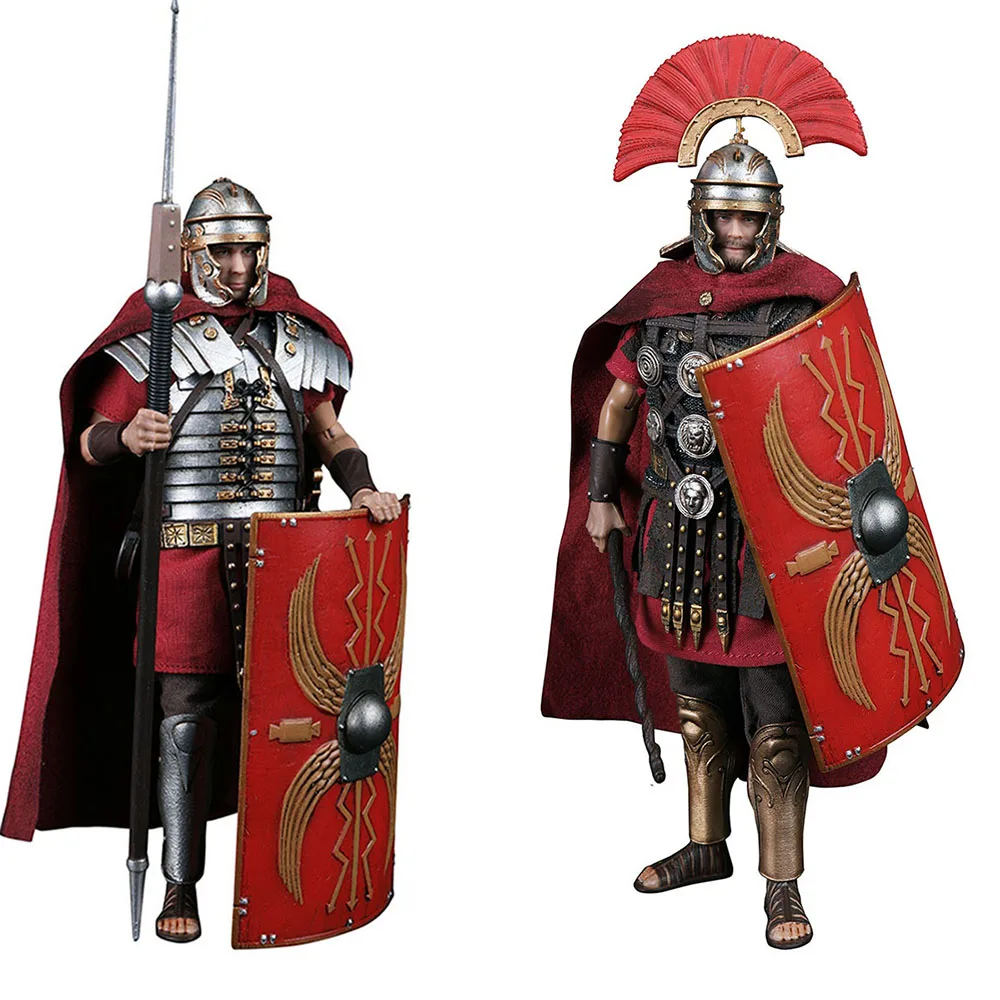
Today, we view Mars strictly as a god of war. To the early Romans, he was also an agricultural protector. War and farming shared a seasonal rhythm; campaigns began in spring and ended in autumn. Mars embodied the disciplined might of the Roman legionary, linking military victory directly to the survival and prosperity of the land.
Quirinus: The Peaceful Citizen
Quirinus represented the Roman people in their civic capacity—the quirites. While Mars handled the battlefield, Quirinus looked after the citizens at home, working the fields and engaging in commerce. Together, this triad mapped out the exact lifecycle and duties of a Roman man: he was a soldier, a farmer, and a law-abiding citizen under divine oversight.
Read more about Roman state religion and its structural role in society through resources provided by Britannica.
War, Ritual, and Imperial Expansion
Rome didn't just conquer through superior steel and logistics. They conquered through ideological incorporation. When Roman armies defeated a city, they often engaged in a ritual called evocatio, formally inviting the enemy's gods to abandon their doomed city and relocate to Rome with better accommodations.
The Fetial Priests and Just War
Rome maintained a strict legalistic approach to foreign conflict through the college of Fetial priests. Before declaring war, these priests had to verify that a just cause (bellum iustum) existed—usually a broken treaty or an unredressed grievance.
- The Demand for Reparations: Ambassadors traveled to the offending state and demanded restitution within a set timeframe.
- The Blood-Stained Spear: If demands were refused, a fetial priest hurled a spear dipped in blood across the border into enemy territory, legally and religiously opening hostilities.
- Divine Backing: This ritual ensured every soldier marched with the psychological and religious conviction that the gods were on their side.
The Triumph and Imperial Identity
The Roman Triumph was the ultimate display of religious and military integration. A victorious general processed through the streets of Rome dressed like Jupiter himself, with his face painted red, riding a four-horse chariot to the Temple of Jupiter Optimus Maximus. This wasn't just ego; it was a temporary incarnation of divine power. It reinforced the identity of Rome as the undisputed master of the Mediterranean, chosen by the gods to rule.
For deeper context on Roman military history and campaign structures, explore historical overviews at The Metropolitan Museum of Art. Note: Ensure your direct navigation uses standard verified paths when researching specific artifacts.
Forging Identity: From City-State to Empire
Religion provided the glue that held a rapidly expanding empire together. As Rome absorbed diverse cultures across Europe, North Africa, and the Near East, how did they maintain a cohesive identity?
The Imperial Cult
The worship of the emperor and the genius of Rome became a unifying civic religion. You could worship your local gods—Isis in Egypt, Epona in Gaul, or Baal in Syria—as long as you also offered incense to the spirit of the Emperor. Refusal wasn't viewed as a theological disagreement; it was viewed as treason (maiestas). It meant you were rejecting the state itself.
Civic Architecture as Propaganda
Walking through Rome meant experiencing constant visual reminders of divine favor. The Forum Boarium, the Pantheon, and the Temple of Mars Ultor weren't hidden away. They dominated the skyline. They told every citizen, slave, and foreigner that Rome's dominance was backed by cosmic order.
To explore archaeological findings related to Roman temples and civic spaces, visit The British Museum.
Common Mistakes When Studying Roman Religion
Many modern readers misinterpret Roman religious life by applying Christian or monotheistic frameworks. Avoiding these pitfalls keeps your historical understanding accurate:
- Assuming Orthodoxy over Orthopraxy: Romans didn't care what you believed in your heart. They cared whether you performed the correct rituals (orthopraxy). Private belief was largely unregulated as long as public duties were met.
- Viewing Myths as Literal Dogma: Greek and Roman myths were literature and local folklore, not rigid scriptural law. Priests focused on ritual precision, not theological doctrine.
- Separating Church and State: The concept of a secular state is entirely modern. In Rome, politics, law, war, and religion were fused into a single operational system.
Frequently Asked Questions
Did regular Roman citizens actually believe in these gods?
Yes, but belief was practical and embedded in daily life. Romans practiced household religion through domestic shrines (lararia) dedicated to ancestral spirits and household gods, alongside state festivals.
How did Roman religion handle conquered foreign gods?
Through interpretatio romana, Romans equated foreign deities with their own equivalent gods (like identifying the Celtic god Lugh with Mercury), making integration smooth and culturally coherent.
Why did the Romans persecute early Christians if they were tolerant?
Romans tolerated foreign cults as long as adherents participated in public civic rituals, such as honoring the emperor. Christians refused to participate in these civic rites, which Romans viewed as dangerous treason that invited divine punishment upon the state.
What happened to the Roman pantheon when Christianity took over?
Christianity became the official religion of the Roman Empire under Emperor Theodosius in the late 4th century CE. Temples were closed, properties were repurposed or dismantled, and traditional public sacrifices were banned.