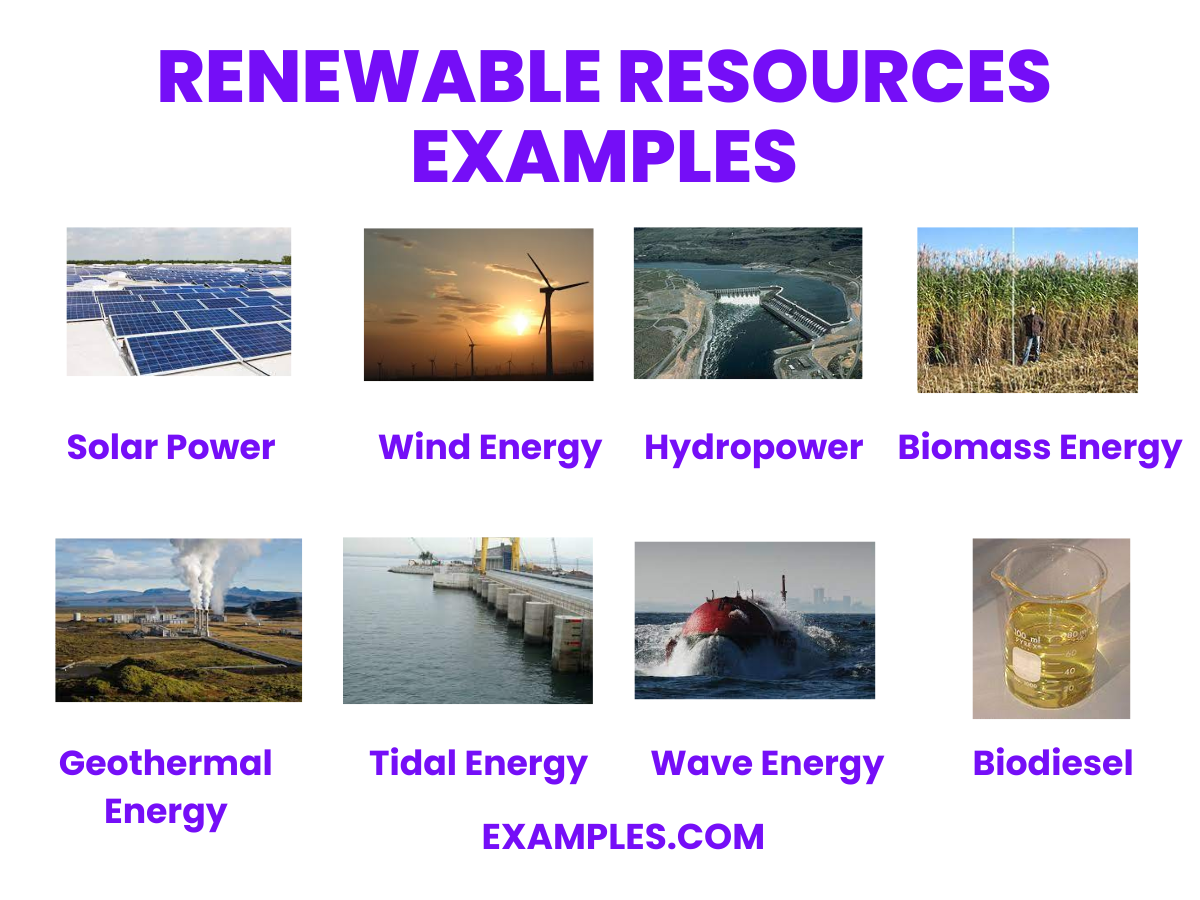
The shift toward clean generation is reshaping regional power markets. Utilities, independent power producers, and regulators are navigating complex grid upgrades to integrate solar, wind, and storage. Traditional centralized grids built around fossil fuels face pressure from decentralized renewables, altering how power flows across state lines. Understanding these shifts requires looking past high-level corporate pledges and examining the structural grid economics driving the change.
Regional grid operators face a dual challenge: maintaining baseline reliability while scaling intermittent renewable sources. As coal retirements accelerate across the United States, transmission constraints dictate where new clean energy projects can connect. Market rules governing wholesale power pools are evolving to reward flexibility and storage capacity. This transition alters long-standing economic relationships between large utilities and the communities they serve.
Grid Modernization and Renewable Integration
Integrating large-scale wind and solar requires significant hardware and software upgrades at the distribution and transmission levels. Traditional grids were engineered for one-way power flow from large, centralized power plants to end users. Modern systems require bi-directional infrastructure capable of managing localized generation from rooftop solar, community microgrids, and utility-scale farms.
Smart grid technologies provide real-time visibility into grid congestion. Operators use advanced forecasting tools to predict drops in renewable generation caused by weather shifts. When production dips, fast-ramping resources like natural gas peaker plants or battery energy storage systems step in to balance supply and demand. To explore the bigger picture, we recommend the excellent article by The New York Times.
- Advanced Metering Infrastructure (AMI): Enables two-way communication between utilities and customers, supporting dynamic pricing models.
- Synchrophasors: Measure electrical waves on the grid thousands of times per second to detect instability before it causes outages.
- Automated Reclosers: Isolate faulty sections of the grid automatically, reducing restoration times during severe weather events.
Investment in these tools is heavily influenced by federal policy and state-level renewable portfolio standards. Utilities that fail to modernize risk high curtailment rates, where clean energy is wasted simply because the local transmission lines cannot carry it to load centers.
Economic Pressures and Market Restructuring
The economics of regional power generation have shifted dramatically over the past decade. Utility-scale solar and wind now offer some of the lowest levelized costs of electricity in many regions. However, the intermittent nature of these sources introduces market volatility. Wholesale electricity prices can drop to zero—or turn negative—during periods of high renewable output and low demand.
This pricing dynamic forces merchant generators and traditional utilities to rethink revenue models. Capacity markets, which pay power plants to remain available during peak demand periods, have become vital battlegrounds. Independent power producers argue that current market designs undervalue battery storage and flexible load resources.
- Wholesale Price Volatility: Negative pricing events challenge the financial viability of baseload plants.
- Capacity Remuneration: Rules are shifting to compensate assets that provide grid stability rather than just raw kilowatt-hours.
- Capital Allocation: Financial markets increasingly favor utilities with clear decarbonization roadmaps and low regulatory risk.
State utility commissions play a referee role, balancing ratepayer protection against the capital costs of green infrastructure. Approving multi-billion-dollar transmission line builds requires proving long-term savings, a process that often draws opposition from consumer advocates and industrial ratepayers.
Decentralization and Local Energy Control
The rise of distributed energy resources (DERs) shifts power dynamics away from monolithic utility monopolies. Municipalities, rural electric cooperatives, and large commercial customers are generating their own power and storing it locally. This trend reduces reliance on regional transmission networks and insulates communities from broader grid failures.
Corporate buyers are driving a significant share of new renewable procurement through virtual power purchase agreements. By locking in long-term contracts for clean energy, these companies bypass traditional utility generation planning. In response, regulated utilities are launching green tariff programs to retain large commercial accounts.
For a deeper look at utility strategies, visit the Southern Company Sustainability Overview to examine how major providers structure their capital investments. Additional project data is available via Southern Power.
Navigating decentralization also introduces equity concerns. Low-income households often lack the upfront capital to invest in rooftop solar or home batteries, leaving them exposed to rising fixed utility charges as wealthier customers exit the base rate structure. Regulators are experimenting with income-qualified clean energy programs to address this disparity.
Regulatory Frameworks and Interconnection Backlogs
Policy frameworks often struggle to keep pace with technological changes. Interconnection queues—the backlog of renewable energy projects waiting for grid connection studies—have grown to massive proportions across regional transmission organizations. Developers can wait several years just to receive a definitive cost estimate for grid upgrades.
Federal regulators have attempted to streamline this process through new rulemakings designed to prioritize "shovel-ready" projects and hold transmission providers accountable for delays. Despite these reforms, local zoning disputes, environmental reviews, and right-of-way acquisitions continue to slow down high-voltage transmission construction.
- Queue Reform: Moving from a "first-come, first-served" model to a "first-ready, first-served" cluster study process.
- Cost Allocation Disputes: Determining whether local ratepayers or regional beneficiaries should pay for interstate transmission lines.
- Permitting Hurdles: Navigating federal and state environmental laws for linear infrastructure projects.
Without faster transmission buildouts, ambitious state and federal decarbonization targets face severe bottlenecks. The success of the clean energy transition depends on policy alignment between federal agencies, state utility commissions, and regional grid operators.
Frequently Asked Questions
Why are renewable energy projects facing long connection delays?
Regional grid operators face a massive backlog of projects seeking interconnection. Evaluating how new wind, solar, and storage facilities affect grid stability requires complex engineering studies. Limited staff and outdated review processes contribute to multi-year wait times.
How do negative wholesale electricity prices happen?
Negative prices occur when generation exceeds transmission capacity or demand. During high wind or sunny periods, wind and solar farms produce cheap power. Because shutting down and restarting these facilities can be costly or technically difficult, operators sometimes pay the grid to take the excess power.
What are distributed energy resources?
Distributed energy resources are small-scale power generation or storage technologies located close to where the electricity is consumed. Examples include rooftop solar panels, battery storage systems, electric vehicle chargers, and backup generators.
How do capacity markets ensure grid reliability?
Capacity markets pay power plants and storage providers for their potential to generate electricity during future peak demand periods, rather than paying only for the energy they produce. This guarantees that sufficient generation assets remain online to prevent blackouts during extreme weather.