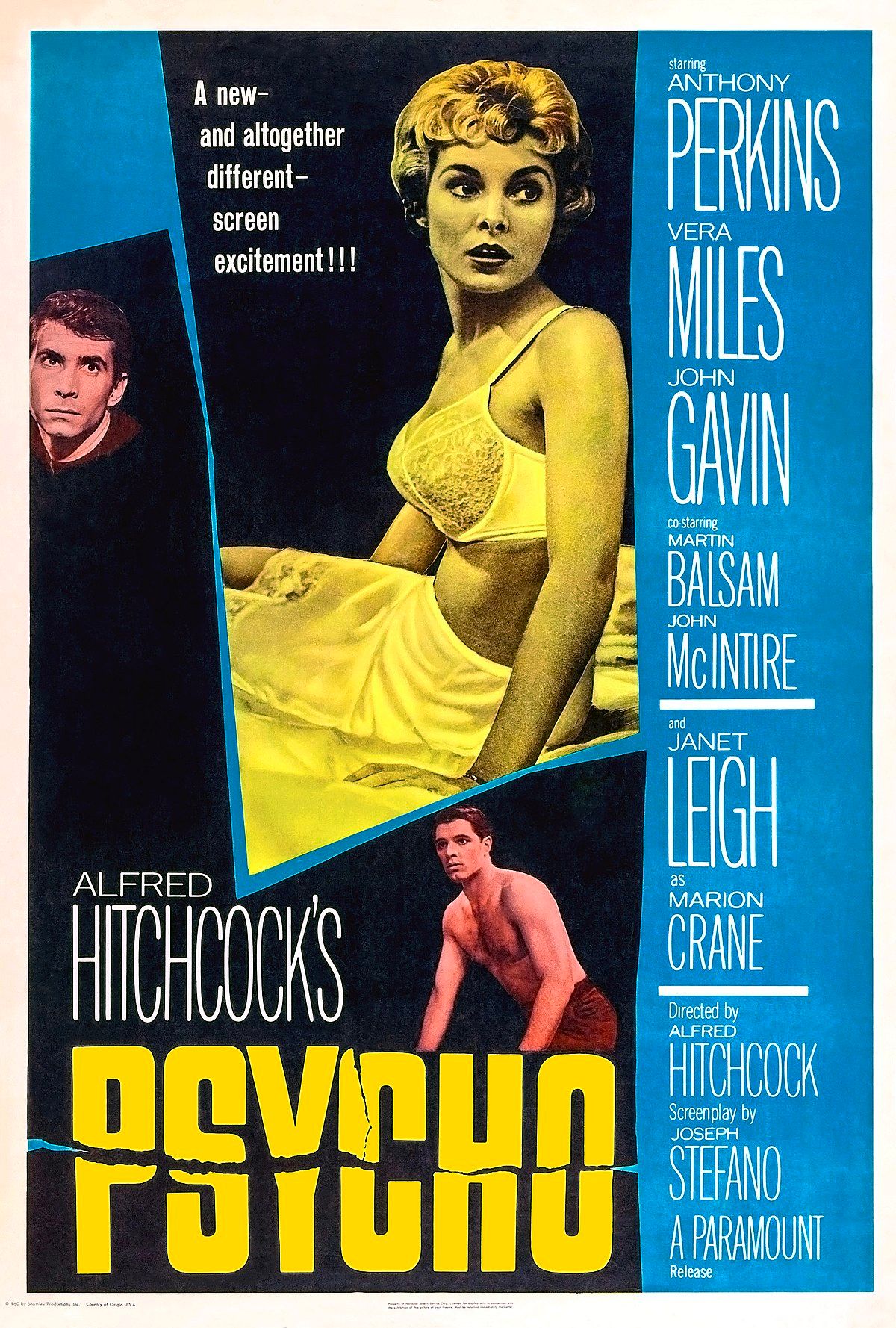
Writing compelling characters requires more than giving them a checklist of goals and hobbies. The psycho screenwriter approach digs into psychoanalytic theory to turn repressed trauma into cinematic gold. If your scenes feel flat or your protagonist lacks internal stakes, you're likely treating the script as a puzzle of external events rather than an emotional battleground.
We'll break down how to weaponize psychoanalytic principles—such as the wound, the lie, and defense mechanisms—to build characters that haunt audiences long after the credits roll.
The Core Foundations: Wound, Lie, and Defense
Every memorable protagonist is running from something. Surface-level motivations like "winning the case" or "saving the kingdom" don't sustain a two-hour runtime unless they mirror an internal fracture. Psychoanalytic screenwriting starts by defining the Wound and the Lie.
The Wound is an actual past event or chronic environment of neglect, abuse, or abandonment, usually rooted in childhood. The character can't fix the Wound, so they build a psychological fortress around it.
The Lie is the protective coping mechanism. It's a false belief the character adopts to survive. For example, if a young protagonist experiences abandonment by a caregiver, their internal narrative becomes attachment equals inevitable destruction.
To maintain this Lie, the character deploys defense mechanisms such as rationalization, displacement, or projection. In your script, these defenses dictate how the character reacts under pressure. When the plot forces them into situations that threaten their defense mechanisms, they don't just get annoyed; they panic, lash out, or double down on self-sabotage.
Mapping the Freudian Triad to Plot Structure
Classical screenwriting structures rely on external turning points. A psychoanalytic script maps those turning points directly onto the internal struggle between the Id, Ego, and Superego.
- The Id: The repressed, primal desires, rage, and fears that the character keeps locked in the basement of their mind.
- The Ego: The conscious, rational negotiator that tries to keep the character functioning in everyday life.
- The Superego: The internalized moral authority, parental voice, or societal guilt that punishes the character for stepping out of line.
When plotting your second act, don't just escalate the external obstacles. Escalate the internal pressure. If the Ego fails to manage the demands of the Superego while the Id claws at the surface, the character experiences a psychological crisis. This internal breakdown forces the climax, ensuring the external resolution directly reflects the internal healing or tragic collapse.
Translating Theory Into Practical Writing Tools
Abstract psychological concepts are useless unless you can translate them into concrete scenes, dialogue, and visual motifs. Here is how to operationalize psychoanalytic theory on the page.
1. Weaponize Subtext and Freudian Slips
Real people rarely say what they mean. In weak screenplays, characters articulate their deepest fears in emotional monologues. In professional-grade scripts, those fears leak out sideways.
Use Freudian slips as narrative turning points. If a character accidentally calls their romantic partner by an ex's name—or better yet, by a parent's name—don't treat it as a quirky accident. Treat it as the unconscious mind sabotaging the conscious facade. Let the subtext crack open the scene.
2. Treat Dream Sequences as Diagnostic Tools
Amateur writers use dream sequences for lazy exposition or cheap jump scares. A psychoanalytic framework treats dreams as direct dispatches from the unconscious.
If your protagonist is repressing guilt over a sibling's accident, their recurring dream shouldn't be a random monster chasing them through a forest. It should feature latent symbols: a cracked mirror, a sinking car, or an empty dining chair. Analyze these dreams like an analyst listening to a patient, using the imagery to foreshadow where the character's defenses will finally shatter.
3. Build an Uncanny Story World
Sigmund Freud defined the uncanny as something strangely familiar yet deeply alien, evoking a sense of dread or repressed terror. Apply this to your settings and antagonists.
An antagonist who mirrors the protagonist's worst repressed traits creates immediate psychological horror. Similarly, a seemingly safe suburban home or sterile corporate office that harbors subtle, creeping anomalies forces the protagonist to confront their own internal instability.
Step-by-Step Character Audit
Before you write page thirty, run your protagonist through this four-step clinical audit to verify their psychological integrity:
- Conduct the Pre-Writing Interview: Write a free-form monologue from your character's perspective while they are under extreme stress. Ask them what they are most afraid of people discovering about them.
- Define the Core Defense: Identify the primary defense mechanism they use when threatened. Do they intellectualize? Do they attack first? Do they withdraw into total isolation?
- Audit the Props: Select three physical objects your character interacts with daily. Assign each object a symbolic psychological weight. A locked journal or a worn-out heirloom isn't just set dressing; it's a physical manifestation of trauma.
- Map the Transference: Examine how the protagonist treats secondary characters. Are they projecting parental expectations onto a boss? Are they punishing a love interest for past betrayals?
For a deeper dive into narrative structure and character mechanics, check out Script Magazine's guide to character arcs. For academic background on these literary frameworks, review the British Psychoanalytical Society resources.
Common Mistakes in Psychological Screenwriting
Writers attempting to use psychoanalytic frameworks often stumble into predictable traps. Avoid these missteps to keep your script grounded:
- Making the Character a Clinic Patient: Don't have characters diagnose each other on screen using clinical jargon. The psychology should drive behavior, not dialogue.
- Confusing Melodrama with Depth: Shouting matches and crying jags don't equal trauma. True psychological weight often lives in silence, hesitation, and what a character actively refuses to look at.
- Fixing the Wound Too Easily: Real psychological healing is messy, painful, and nonlinear. If a character confronts their trauma in scene four and is totally fine by scene six, the emotional stakes evaporate.
Frequently Asked Questions
How do I show repression visually on screen?
Repression manifests as avoidance and physical tension. Pay attention to blocking. When a specific topic or person enters the room, watch where your character looks, what they touch to ground themselves, or how they physically angle their body away from the threat.
Can this methodology work for comedies and thrillers?
Yes. Psychoanalytic mechanics underpin dark comedies like Fleabag and psychological thrillers like Black Swan. Comedy often relies on defense mechanisms run amok, while thrillers externalize repressed paranoia into literal threats.
How do I know if my protagonist's internal wound is strong enough?
If the worst thing that happens to your character at the climax doesn't directly threaten the Lie they've built to survive their Wound, the stakes are too low. The climax must force them to choose between their safe Lie and terrifying emotional truth.
How many drafts does it take to weave subtext into an existing plot?
Usually three passes. The first draft establishes the external plot. The second pass injects the psychological wound into the character's choices and dialogue. The final pass strips away on-the-nose explanations, letting visual symbols and subtext carry the weight.