The PSAT 8/9 practice test is the earliest formal diagnostic tool in the College Board suite, built specifically for 8th and 9th graders. Rather than determining college admissions, it establishes a clear academic baseline for reading, writing, and math. Taking this practice exam early gives students a low-stakes environment to understand digital testing formats, identify specific skill gaps, and build the endurance needed for future high-stakes tests like the SAT and PSAT/NMSQT.
Most students enter high school without knowing their exact academic standing relative to national college readiness benchmarks. The PSAT 8/9 bridges that gap by offering actionable performance data years before college applications begin. This guide breaks down test structures, scoring mechanisms, actionable preparation strategies, and common pitfalls to avoid.
Understanding the PSAT 8/9 Structure
The test is fully digital, administered through the Bluebook app, and takes approximately two hours and twenty-five minutes. It splits into two primary sections: Reading and Writing, and Math.
- Reading and Writing Section: Measures comprehension, vocabulary in context, grammar rules, and text structure across two equal modules.
- Math Section: Covers linear equations, ratios, percentages, basic statistics, and geometry fundamentals across two modules, with a built-in graphing calculator available for the entire section.
Unlike older tests, the digital format uses adaptive testing. The difficulty of the second module in each section adjusts based on how well the student performed on the first module. Getting a practice test that mimics this digital interface is critical so students don't waste test-day energy figuring out navigation tools, timers, or digital scratchpads.
How the Scoring Scale Works
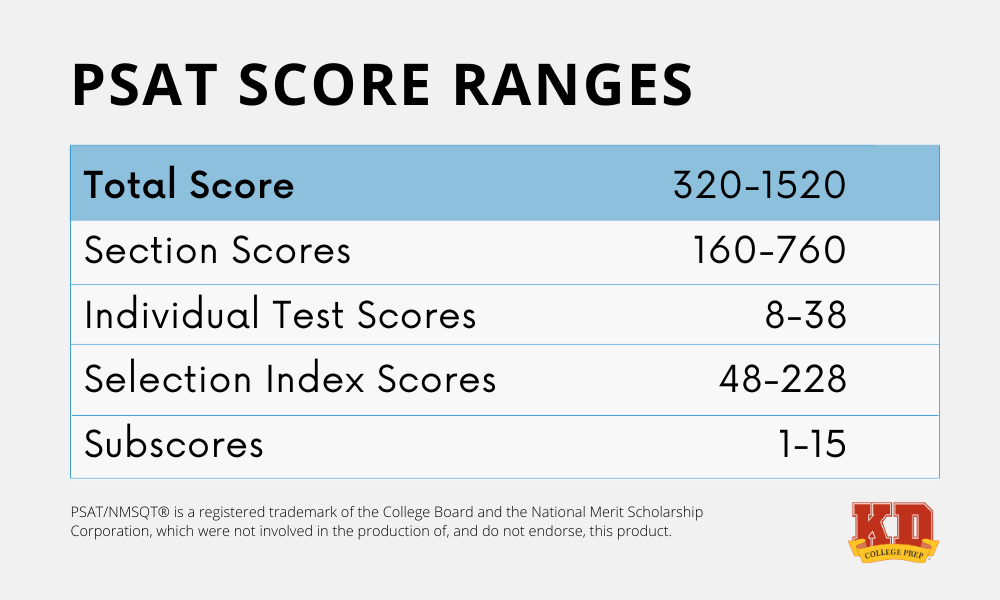
Scores on the PSAT 8/9 range from 240 to 1440 overall. The total score splits evenly into two sections:
- Evidence-Based Reading and Writing: Scored from 120 to 720.
- Math: Scored from 120 to 720.
Because the test is targeted to younger students, the score scale differs from the SAT (which ranges from 400 to 1600). A score of 1000 on the PSAT 8/9 does not equal a 1000 on the SAT. Instead, score reports provide vertical alignment metrics, showing how a student's current trajectory maps onto future performance on the PSAT 10 and the SAT.
Step-by-Step Diagnostic Strategy
Treating a practice test like a casual quiz ruins its diagnostic value. Follow this four-step strategy to extract maximum value from a practice session.
- Simulate Real Conditions: Print or load the test on a computer without external distractions. Turn off notifications, use a quiet room, and enforce strict time limits for each module.
- Grade and Categorize Errors: Don't just look at the final score. Group every missed question into one of three categories: content gaps (you didn't know the math rule), reading errors (you misread the passage or question), or time traps (you guessed because you ran out of time).
- Target Weaknesses, Not Strengths: If a student aces the algebra questions but struggles with expression of ideas in writing, dedicate eighty percent of study time to writing rules and grammar conventions.
- Retest After Three Months: Take an alternate official practice test after targeted studying to measure whether remediation actually improved specific sub-scores.
Common Mistakes to Avoid
Many families approach early standardized testing with flawed assumptions that hurt long-term preparation.
- Cramming vocabulary and formulas: The test emphasizes analytical reasoning and application over rote memorization. Memorizing fifty root words won't help if a student can't trace an author's argument across a paired passage.
- Ignoring the calculator interface: Relying on a handheld calculator instead of practicing with the built-in Desmos graphing calculator on the digital test wastes valuable seconds during math modules.
- Treating low scores as a permanent label: A low baseline in 8th grade is completely normal. The entire point of taking a diagnostic test early is to find weaknesses while there's still plenty of time in high school to fix them.
Frequently Asked Questions
When is the best time to take a PSAT 8/9 practice test?
The ideal window is the spring of 8th grade or the fall of 9th grade. This timing provides a reliable starting point before high school coursework advances into complex algebra and literature analysis.
Can 8th graders take the official PSAT 8/9 at school?
Yes. Many middle and high schools administer the official assessment during the school day in the fall or spring. However, taking a full-length practice test at home beforehand helps reduce anxiety about the digital format.
How does the PSAT 8/9 connect to National Merit Scholarships?
The PSAT 8/9 itself does not qualify students for scholarships. That process requires taking the PSAT/NMSQT during the junior year of high school. The early test simply builds the foundational skills and testing stamina required to compete later.
Are accommodations available for practice tests?
Yes. Students with documented learning differences or physical disabilities can use official accommodated practice materials through the College Board Services for Students with Disabilities portal to ensure realistic preparation.