The primary monomers of proteins are amino acids. These organic molecules link together in specific sequences to form polypeptide chains, which then fold into complex three-dimensional structures. Without these building blocks, cells couldn't catalyze metabolic reactions, replicate DNA, or maintain structural integrity.
Every protein in your body relies on a standard set of twenty amino acids encoded by your genetic code. Understanding how these monomers function requires looking closely at their chemical structure, the bonds that unite them, and how their distinct side chains dictate biological activity.
The Universal Structure of Amino Acids
Every amino acid shares a common backbone architecture while differing by a single variable side chain. This design allows them to serve as versatile building blocks capable of forming diverse structural and functional macromolecules.
The central atom in an amino acid is an alpha carbon. Bonded to this carbon are four distinct chemical groups:
- An amino group containing one nitrogen and two hydrogen atoms
- A carboxyl group containing carbon, oxygen, and a hydroxyl group
- A single hydrogen atom
- A variable side chain known as the R group
While the amino and carboxyl groups participate directly in joining monomers together, the R group determines the unique chemical personality of each amino acid.
How R Groups Drive Protein Diversity
The twenty standard amino acids are categorized based on the chemical properties of their R groups. These categories dictate how a protein folds and interacts with its watery cellular environment.
Nonpolar amino acids like valine and leucine feature hydrophobic hydrocarbon side chains. These residues tend to pack tightly into the interior of a protein away from water. Polar amino acids like serine and glutamine form hydrogen bonds easily, often sitting on the exterior surface of proteins where they interact with cellular fluids.
Charged amino acids add another layer of complexity. Lysine and arginine carry positive charges at physiological pH, while aspartate and glutamate carry negative charges. These charged side chains form ionic bonds—or salt bridges—that stabilize complex protein structures.
Cysteine stands out because its side chain contains a reactive thiol group. Two cysteine monomers can form a covalent disulfide bridge, locking specific loops of a protein chain together for extra structural stability. You'll find these resilient bonds frequently in extracellular enzymes and structural components like hair and nails.
The Peptide Bond: Linking Monomers Together
Amino acids don't function in isolation. They connect through covalent linkages called peptide bonds to create long chains.
This linkage forms through a condensation or dehydration reaction. The carboxyl group of one amino acid reacts with the amino group of an incoming amino acid. This reaction releases a water molecule and forges a strong amide bond between the carbon and nitrogen atoms.
As ribosomes synthesize proteins inside living cells, they add amino acids one by one to the growing chain's carboxyl end, guided by instructions from messenger RNA. The resulting polypeptide chain has distinct ends: an amino terminus at the start and a carboxyl terminus at the finish.
Once linked, the polypeptide backbone gains rigidity due to electron resonance across the peptide bond. While the backbone restricts free rotation, the flexible R groups swivel and interact, driving the chain to coil into alpha-helices or fold into beta-sheets. This secondary folding represents the critical bridge between linear monomer sequences and fully functional 3D proteins.
Essential Versus Nonessential Amino Acids
Your body requires all twenty standard amino acids to build the full array of proteins needed for survival, but it manufactures them differently.
Eleven amino acids are classified as nonessential, meaning human metabolic pathways synthesize them from simpler molecules. Examples include alanine, serine, and glutamate.
The remaining nine are essential amino acids that human cells cannot synthesize. You must obtain them directly through your diet from sources like legumes, dairy, eggs, and lean meats MedlinePlus. If your diet lacks sufficient quantities of an essential amino acid, cellular protein synthesis stalls, which can impair immune response, muscle repair, and neurotransmitter production.
Common Mistakes in Understanding Protein Monomers
When studying biochemistry, it's easy to fall into a few conceptual traps regarding proteins and their building blocks.
- Confusing monomers with polymers: Amino acids are the individual monomers. Proteins are the finished polymers. Calling an entire protein an amino acid is like calling a brick wall a single brick.
- Assuming all amino acids are used in proteins: While thousands of amino acids exist in nature, only twenty standard ones are genetically encoded and incorporated into cellular proteins during standard translation.
- Overlooking structural dependency: People often view the sequence of monomers as a rigid wire. In reality, proteins are dynamic structures that shift shape constantly based on temperature, pH, and cellular binding partners.
Frequently Asked Questions
What happens if an amino acid sequence changes?
A single mutation in the genetic code can swap one amino acid for another in a polypeptide chain. This alteration can drastically change how the protein folds. For instance, replacing glutamic acid with valine in hemoglobin causes sickle cell anemia, altering red blood cell shape and oxygen-carrying capacity National Human Genome Research Institute.
Are all biological polymers made of amino acids?
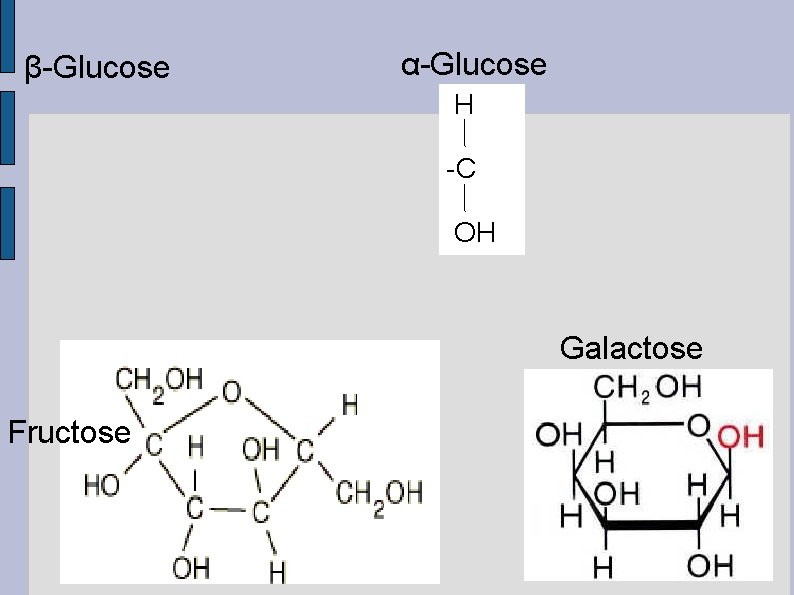
No. While proteins are polymers of amino acids, other vital biological macromolecules use different monomers. Nucleic acids like DNA and RNA use nucleotides, while complex carbohydrates use monosaccharides such as glucose.
Can amino acids act outside of proteins?
Yes. Beyond building proteins, individual amino acids and their derivatives act as neurotransmitters (such as glutamate and gamma-aminobutyric acid) and metabolic intermediates in energy production pathways.
How many amino acids make a protein?
The distinction depends on length. Short chains of fewer than fifty amino acids are typically called peptides, while longer, folded chains performing biological work are classified as proteins.