When you buy a high-end probiotic, you expect a smoother digestion and less bloating. Instead, you might find yourself doubled over with cramps, trapped gas, or unexpected nausea. It feels deeply ironic. You are trying to fix your gut, yet your body acts like it has been poisoned.
This adverse reaction is more common than supplement labels care to admit. Introducing billions of live microorganisms into a complex ecosystem can easily trigger a turf war. If your digestive tract is already dealing with hidden imbalances, inflammation, or structural issues, standard strains won't heal you. They will throw fuel on an existing fire. Let's look at why probiotics backfire and how to figure out what your microbiome actually needs.
The Acclimation Myth Versus Real Trouble
Many wellness blogs brush off initial side effects as a standard "die-off" phase or a harmless adjustment period. It's true that a mild increase in gas can happen during the first few days as new microbes set up camp. But true adverse reactions go far beyond minor rumbling.
When your gut reacts poorly, it's sending a clear biological signal. Ignoring severe cramping, persistent diarrhea, or sudden brain fog under the guise of an "adjustment period" usually leads to worse inflammation. If symptoms last longer than two weeks, or if they appear immediately and worsen day by day, the supplement isn't working for you. You need to look closer at the mechanics of why your system is rejecting the microbes.
Small Intestinal Bacterial Overgrowth
The most common reason probiotics make people feel sick is unrecognized Small Intestinal Bacterial Overgrowth (SIBO). Normally, the vast majority of your gut bacteria live in your large intestine. In SIBO, bacteria migrate upward and multiply inside the small intestine, where they don't belong.
When you swallow a capsule packed with billions of colony-forming units (CFUs), you are dropping fresh fuel right into an already crowded small intestine. The bacteria ferment those incoming organisms and fibers instantly, producing massive amounts of hydrogen or methane gas. This creates sharp pain, severe abdominal distension, and debilitating bloating within minutes of ingestion. If you have SIBO, adding more bacteria without clearing the overgrowth first is like throwing logs onto an already raging campfire.
The Histamine Trap
Not all bacterial strains behave nicely once they land. Certain popular strains—such as Lactobacillus buchneri or Streptococcus thermophilus—actively produce histamine inside your digestive tract.
If your body struggles to produce enough diamine oxidase (DAO), the enzyme responsible for breaking down histamine, you'll develop a histamine intolerance. Pumping histamine-producing bacteria into your gut triggers symptoms that mimic a severe allergy. You might experience:
- Pounding headaches or migraines
- Nasal congestion or sinus pressure
- Hives, flushing, or skin rashes
- Sudden anxiety or heart palpitations
People with histamine sensitivities often find that multi-strain formulas make them feel instantly wired, exhausted, or sick because the specific bacteria are driving up systemic histamine levels.
Strain Mismatch and High Doses
The supplement industry loves massive numbers. Labels proudly boast 50 billion or 100 billion CFUs, as if microbial warfare is a game where the highest score wins. In reality, dumping a massive, generic blend of bacteria into a sensitive system often causes chaos.
Your microbiome is as unique as your fingerprint. A strain that clinical trials showed helpful for post-antibiotic diarrhea might wreak havoc if you have irritable bowel syndrome (IBS) or visceral hypersensitivity. When your gut lining is inflamed, your intestinal nervous system overreacts to normal levels of fermentation. A high-dose supplement overwhelms the environment, irritating the gut wall and causing cramping.
Hidden Excipients and Prebiotics
Sometimes the problem isn't the live bacteria at all. It's what the manufacturer packed inside the capsule to keep them alive.
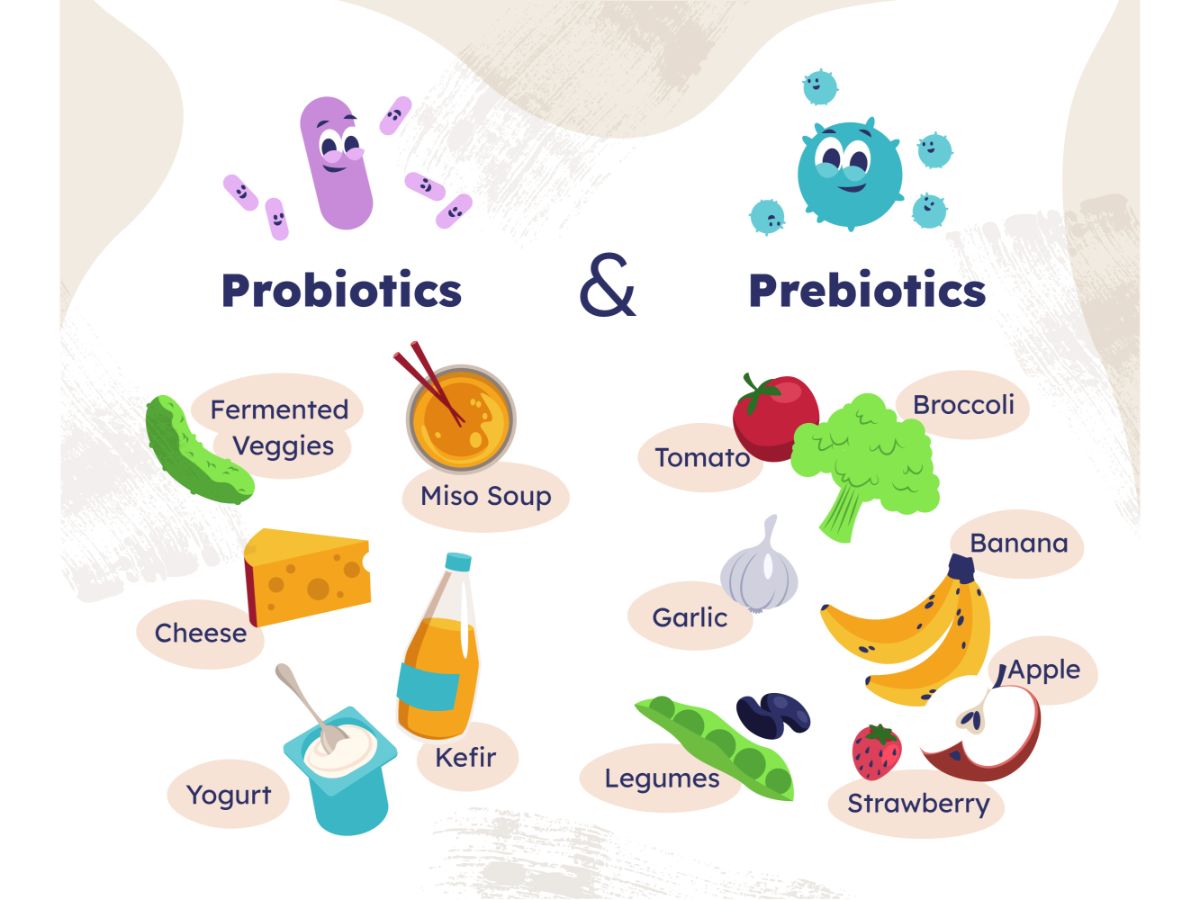
Many formulas include prebiotics like fructooligosaccharides (FOS) or galactooligosaccharides (GOS), which act as food for the bacteria. These fibers are fermentable carbohydrates. If you have a sensitive gut or active SIBO, those prebiotics feed the wrong microbes before the capsule even dissolves, setting off an immediate gas flare.
Furthermore, cheap manufacturing practices introduce common allergens into capsules. Traces of dairy, soy, gluten, cornstarch, or artificial binders can trigger low-grade immune responses in sensitive individuals, masquerading as a bad reaction to the probiotics themselves. Always check the inactive ingredient list if a supplement makes you feel ill. According to the National Institutes of Health, dietary supplement formulations vary widely in purity and quality control.
How to Reset Your Approach
If probiotics currently make you feel sick, you don't have to white-knuckle your way through it. A systematic reset helps clear up confusion and protects your gut lining.
- Stop the supplement immediately. Pause your current probiotic for at least two weeks to let your digestive tract clear and baseline inflammation subside.
- Audit the ingredient label. Check for hidden prebiotics, dairy derivatives, or fillers that might be triggering a reaction independent of the bacteria.
- Focus on whole-food diversity instead. If supplements fail, try incorporating small amounts of diverse, low-FODMAP foods or targeted lifestyle adjustments to support microbial balance naturally.
- Investigate underlying root causes. Persistent adverse reactions are often a sign of an undiagnosed issue like SIBO, gut dysbiosis, or motility problems that require clinical testing. For guidance on safe dietary management, consult resources from the Mayo Clinic regarding chronic digestive disorders.
Frequently Asked Questions
Can probiotics cause permanent damage to my gut?
No. Probiotics transiently pass through your digestive tract; they do not permanently colonize your microbiome. Once you stop taking them, the introduced strains wash out within a few days to weeks, and your baseline microbiome returns.
Why do some people feel great on probiotics while others get sick?
Every human microbiome hosts a different ecosystem of trillions of microbes. If your current bacterial balance complements the incoming strain, you feel better. If the strain introduces competition or feeds an overgrowth, it causes distress.
Are fermented foods safer than probiotic supplements?
Not necessarily. While fermented foods like kefir, sauerkraut, and kimchi offer rich microbial diversity, they are also high in biogenic amines and histamines. People with histamine intolerance often react worse to fermented foods than to isolated, histamine-free supplement strains.
Should I try a different brand if the first one made me sick?
Only if you understand why the first one failed. If a multi-strain high-dose capsule caused severe cramps, switching to another generic high-dose blend will likely yield the same result. Look for single-strain, lower-dose options or consult a healthcare professional for personalized testing.