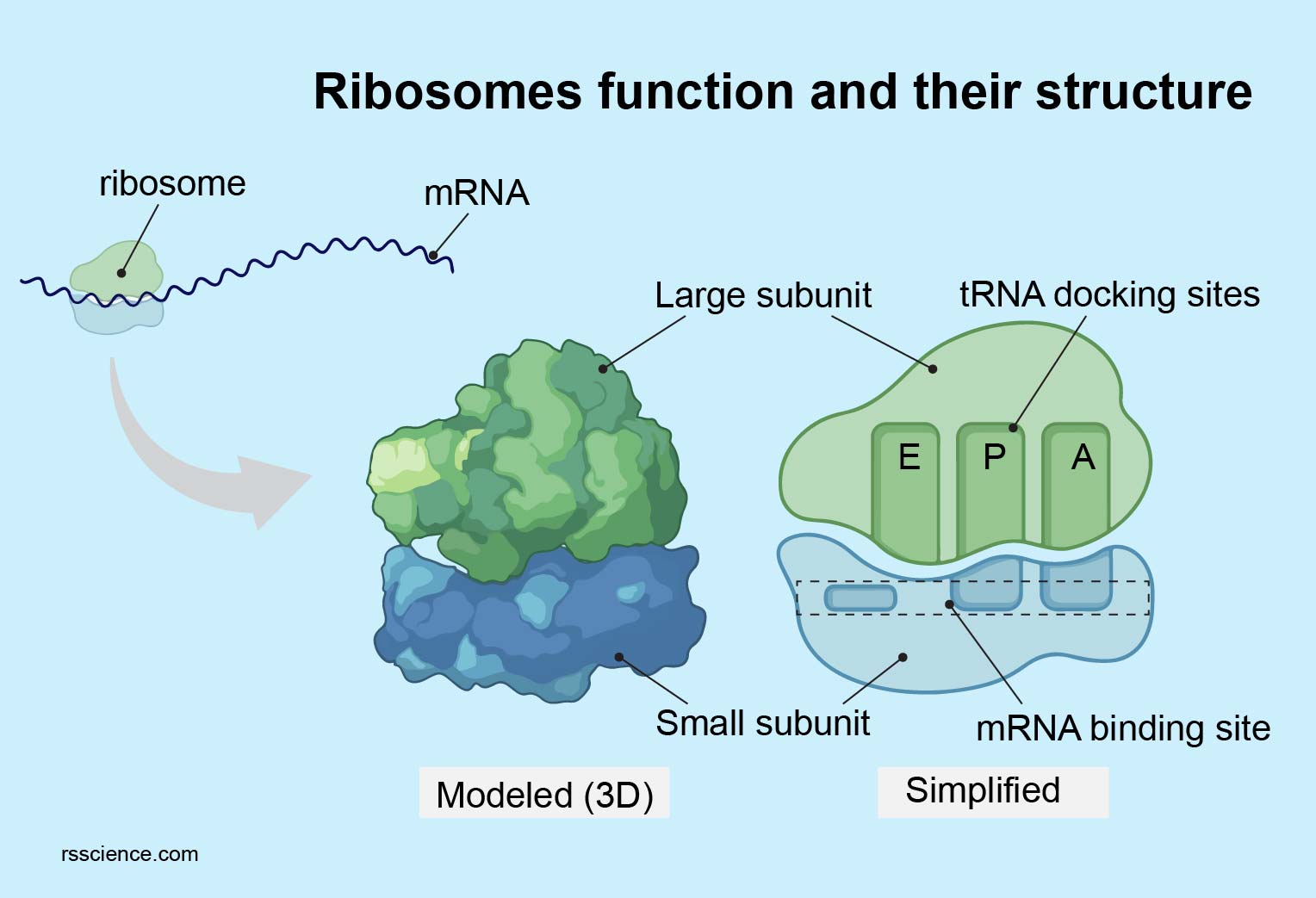
Plant and animal cells both use the same universal genetic language, yet their DNA builds completely different living architectures. While you'll find a nucleus, mitochondria, and ribosomes in both, the genetic instructions inside them create two entirely separate engineering solutions for life. Plants need rigid structural support and the ability to make their own food from sunlight, while animals require mobility, flexibility, and complex internal signaling systems.
Understanding these differences starts with looking at how genetic code translates into cellular survival. The DNA inside a plant cell programs a static, highly protected fortress designed to withstand environmental stress and harness solar energy. The DNA inside an animal cell builds a dynamic, responsive machine capable of rapid movement, constant chemical signaling, and versatile tissue adaptation.
The Genetic Blueprint: Core Structural Contrasts
Your cells and a maple tree's cells share a common eukaryotic ancestor, but their DNA programs radically different structural components. These physical differences dictate how each cell handles energy, pressure, and space.
- Cell Walls: Plant cells build a rigid outer wall made of cellulose, directed by specific genes that manage glucose polymerization. Animal cells skip this entirely, using a flexible plasma membrane that allows for constant shape changes and motility.
- Chloroplasts: Plant genomes encode the machinery for photosynthesis inside specialized chloroplasts. Animals don't have these genes or organelles, meaning they must consume external organic matter for fuel.
- Vacuoles: A plant cell features a massive central vacuole that stores water, regulates internal pressure, and maintains structural rigidity without bones. Animal cells have smaller, temporary vacuoles or specialized lysosomes used for waste breakdown and digestion.
- Cytoskeletons: Plant cells rely on rigid microtubule arrays to manage orderly cell expansion. Animal cells possess dynamic, flexible cytoskeletons that support rapid muscle contraction, nerve impulse travel, and cellular migration.
These structural variations aren't accidental. They're the direct output of millions of years of evolutionary pressure acting on genetic instructions.
Energy Production and Mitochondrial Networks
Energy management defines how a cell functions day-to-day. Both plant and animal cells rely on mitochondria to produce adenosine triphosphate (ATP) through cellular respiration, but their metabolic priorities differ based on their DNA.
Plant cells house mitochondria alongside chloroplasts. During daylight, chloroplasts generate glucose, which mitochondria then convert into usable energy. Because plants don't move, their mitochondrial networks often form interconnected webs that distribute energy evenly across large, static volumes.
Animal cells face different metabolic demands. Movement, nerve signaling, and temperature regulation require bursts of energy on demand. Animal mitochondria are more numerous, highly mobile, and densely clustered near high-energy regions like muscle fibers and neural synapses. Their DNA encodes specific respiratory proteins tailored for rapid metabolic shifts rather than steady-state maintenance.
Division and Developmental Control
When it's time to multiply, plant and animal cells follow distinct genetic playbooks. Cytokinesis—the final stage of cell division—highlights how cell walls change the physical mechanics of reproduction.
Animal cells divide by pinching inward. A contractile ring made of actin and myosin filaments squeezes the plasma membrane until the cell splits in two. Plant cells can't pinch inward because of their rigid cell walls. Instead, their DNA coordinates the construction of a new cell plate down the middle of the dividing cell, fusing outward until a partition forms.
Differentiation also follows unique paths. During embryonic development, animal cells migrate extensively, guided by surface receptors and signaling molecules encoded in their DNA. Plant cells don't migrate; they stay fixed in place. Plant growth happens through targeted cell division in meristems, where genes dictate whether a new cell becomes part of a root, stem, or leaf based entirely on its local chemical environment.
Evolutionary Divergence and Modern Applications
The split between plant and animal cellular design happened over a billion years ago when early eukaryotes diverged. One lineage engulfed photosynthetic bacteria, eventually forming chloroplasts and locking into a stationary, autotrophic lifestyle. The other lineage optimized for heterotrophic survival, prioritizing sensory networks, mobility, and flexible cell membranes.
This genetic divergence drives modern biotechnology and agriculture. Crop scientists edit chloroplast DNA to build climate-resilient plants that perform photosynthesis more efficiently under drought conditions. Meanwhile, medical researchers study animal cell membrane dynamics to improve targeted drug delivery systems and regenerative medicine.
Frequently Asked Questions
Do plant cells have DNA outside the nucleus?
Yes. Alongside nuclear DNA, plant cells contain distinct genomes inside their chloroplasts and mitochondria. Animal cells also have mitochondrial DNA, but they lack chloroplast genomes entirely.
Why can't animal cells perform photosynthesis?
Animal cells lack the genetic instructions required to build chloroplasts. Even if you placed chloroplasts inside an animal cell artificially, the cell's nuclear DNA doesn't encode the proteins needed to maintain and replicate them over time.
How do plant cells maintain their shape without a skeleton?
Plant cells maintain shape through a combination of a rigid cellulose cell wall and high turgor pressure. When the central vacuole fills with water, it pushes outward against the cell wall, keeping the plant upright and firm.
What is the main functional difference driven by plant and animal cell DNA?
Plant cell DNA prioritizes self-sufficiency, stability, and energy production via sunlight, while animal cell DNA prioritizes mobility, rapid environmental response, and complex intercellular communication.