Unlike simple prokaryotic cells that float their genetic instructions freely in the cytoplasm, eukaryotic cells keep their genetic material carefully compartmentalized. If you're studying cell biology, you'll quickly find that DNA isn't trapped in just one single room inside these complex organisms. While the main library sits securely in the central nucleus, smaller specialized compartments hold their own distinct genetic blueprints that keep the cell alive.
Understanding where DNA resides in eukaryotes and how it operates requires looking beyond basic textbook summaries. Eukaryotic cells make up all multicellular life—plants, animals, fungi, and protists—and their internal architecture dictates how genes are copied, regulated, and expressed to build tissues and sustain metabolism.
Where DNA Lives in Eukaryotic Cells
The eukaryotic cell distributes its DNA across three distinct cellular compartments: the nucleus, mitochondria, and (in plant and algal cells) chloroplasts. Each location houses a specific set of instructions tailored to that compartment's evolutionary origin and functional demands.
The Nucleus as the Master Archive
The nucleus remains the central hub for eukaryotic DNA. Enclosed by a double-layered nuclear envelope, it contains the vast majority of an organism's genome divided into linear chromosomes.
- Chromatin structure: DNA wraps tightly around spool-like proteins called histones, forming a complex called chromatin. This packaging prevents the extremely long DNA molecules from tangling and breaking.
- Nuclear pores: Specialized channels on the nuclear envelope regulate what enters and leaves, allowing messenger RNA (mRNA) to carry genetic instructions out to the cytoplasm while keeping sensitive DNA safe inside.
- Gene transcription: The nucleus is where transcription happens. Enzymes copy specific DNA segments into RNA, initiating protein synthesis for the entire cell.
Mitochondrial DNA and Cellular Energy
Mitochondria are famous for generating ATP, but they also contain their own independent ring of genetic material known as mitochondrial DNA (mtDNA).
- Endosymbiotic origin: Mitochondria evolved from ancient bacteria that were engulfed by early eukaryotic cells, which explains why mtDNA resembles bacterial circular chromosomes rather than linear nuclear chromosomes.
- Coding responsibilities: mtDNA carries a compact set of genes responsible for essential components of the electron transport chain—the biochemical pathway that produces cellular energy.
- Maternal inheritance: In humans and most animals, mitochondrial DNA passes exclusively from the mother to her offspring, making it a powerful tool for tracing ancestral lineages.
Chloroplast DNA in Photosynthesis
Plant and algal cells feature a third DNA-containing organelle called the chloroplast. Like mitochondria, chloroplasts possess their own circular DNA (cpDNA) rooted in an ancient endosymbiotic event involving photosynthetic bacteria.
- Photosynthetic machinery: cpDNA encodes core proteins required for the light-harvesting reactions of photosynthesis, including subunits of the crucial enzyme Rubisco.
- Dual regulation: Chloroplasts cannot operate in complete isolation; they coordinate closely with nuclear genes to build functional photosynthetic complexes.
How Eukaryotic DNA Functions
Having DNA in multiple locations means the cell must coordinate complex operational networks to survive. The primary job of DNA is to store biological information, but storing data is useless without a system to read and execute it.
Transcription and Translation Mechanics
The central dogma of molecular biology dictates how eukaryotic DNA exerts control.
- Uncoiling: Specific enzymes loosen the histone wrapping around a targeted gene region to expose the nucleotide sequence.
- Transcription: RNA polymerase reads the DNA template strand and builds a complementary pre-mRNA molecule inside the nucleus.
- RNA Processing: Eukaryotic cells add modifications like a 5' cap and a poly-A tail, while splicing out non-coding segments called introns.
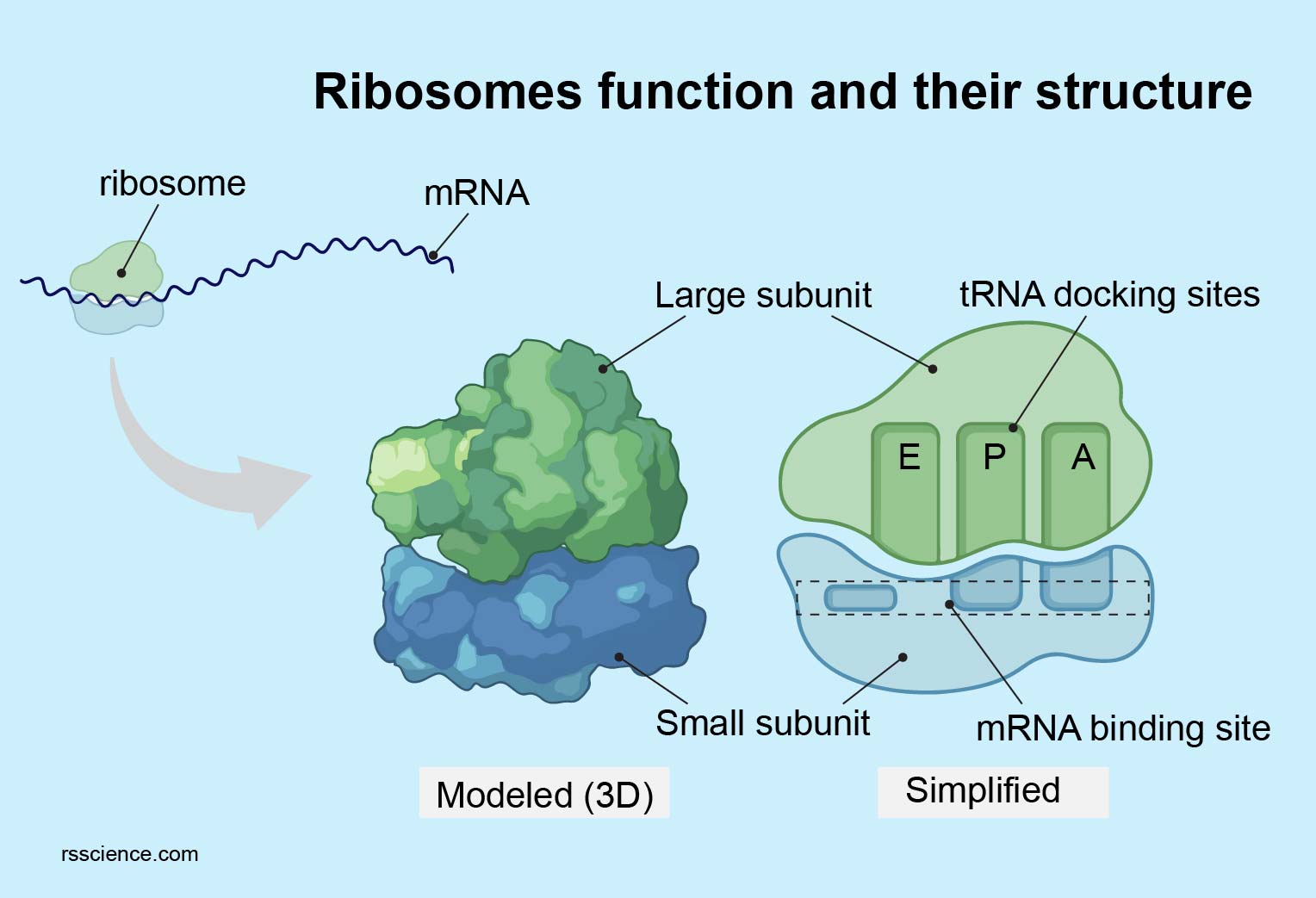
- Translation: The mature mRNA travels through a nuclear pore into the cytoplasm, where ribosomes translate the genetic code into functional proteins.
Epigenetic Regulation
DNA isn't just sitting passively waiting to be read. Chemical tags attached to DNA and its surrounding histones turn genes on or off without altering the underlying sequence. For instance, methylation typically silences gene expression, while acetylation loosens chromatin to let transcription factors bind. This epigenetic layer allows skin cells, neurons, and muscle cells to read the exact same DNA library while performing completely different jobs.
Common Misconceptions About Eukaryotic DNA
Many students and science writers gloss over the nuances of cellular genetics, leading to persistent misunderstandings.
- Misconception 1: All DNA is in the nucleus. As shown by mitochondrial and chloroplast genomes, extra-nuclear DNA plays an indispensable role in cellular metabolism.
- Misconception 2: DNA floats loose. In eukaryotes, naked DNA is rare. It is almost always tightly bound to proteins for protection and organization.
- Misconception 3: Every cell uses every gene. While all somatic cells in an organism share identical nuclear DNA, they express vastly different subsets of those genes based on their specific tissue type.
For more detailed reading on cellular organization, visit the National Human Genome Research Institute or explore structural guides provided by Nature Education.
Frequently Asked Questions
Why do mitochondria have their own DNA instead of relying on the nucleus?
Mitochondria retain a remnant genome from their free-living bacterial ancestors. Keeping these genes close to the inner membrane allows mitochondria to respond rapidly to local energy demands and produce essential respiratory proteins on-site.
How does nuclear DNA differ from mitochondrial DNA?
Nuclear DNA is linear, diploid (inherited from both parents), and massive, containing billions of base pairs wrapped around histones. Mitochondrial DNA is circular, haploid (inherited only from the mother), much smaller, and lacks histone packaging.
What happens if eukaryotic DNA gets damaged?
Eukaryotic cells feature sophisticated DNA repair mechanisms, such as base excision repair and homologous recombination. If damage is too severe to fix, regulatory proteins trigger programmed cell death (apoptosis) to prevent mutations from spreading.
Do all eukaryotic cells contain mitochondria and chloroplasts?
All typical eukaryotic cells contain mitochondria for cellular respiration. However, chloroplasts are exclusive to plants, algae, and certain protists; animal and fungal cells do not contain them.