Living and working in Phoenix means facing months of temperatures that routinely push past 100 degrees, often hovering above 110 degrees for weeks at a time. If you're a temporary worker, a newcomer, or trying to balance a standard career in the Valley of the Sun, navigating this climate requires more than just staying indoors. It demands a complete adjustment to your daily habits, commute, and personal health strategy.
The core challenge of Phoenix heat isn't just the ambient air temperature; it's the urban heat island effect, baking asphalt, and relentless sun that turns ordinary tasks into high-stakes logistics. Whether you're commuting across Maricopa County or managing outdoor job sites, mastering the rhythm of the desert is essential for survival and professional productivity.
Rethinking the Daily Schedule
When summer peaks, standard 9-to-5 routines shift dramatically. Local businesses and outdoor industries often front-load their days to beat the most punishing afternoon hours.
- The Dawn Shift: Construction crews, delivery drivers, and field technicians frequently start work at 4:00 AM or 5:00 AM. Getting tasks done before sunrise isn't just about comfort—it's about safety.
- The Midday Lull: Between 12:00 PM and 5:00 PM, outdoor activity drops to a bare minimum. If you have errands to run, you schedule them for early morning or after sunset when the pavement finally starts to release its trapped heat.
- Indoor Logistics: Plan your movements to minimize exposure. Covered parking structures and indoor pedestrian links become your primary pathways if you're working in commercial hubs like downtown or midtown.
According to the National Weather Service Phoenix, tracking hourly wet-bulb globe temperatures can help professionals gauge real physiological stress rather than looking at air temperature alone.
Commuting and Vehicle Survival
Your car is your primary mobile hostile environment during a Phoenix summer. Vehicles parked in direct sunlight can easily reach interior temperatures exceeding 150 degrees within minutes.
Never leave electronics, aerosol cans, or disposable lighters in your car. Steering wheels and seat belts become branding irons if left unprotected. Keep a heavy-duty windshield sunshade in your trunk at all times, and consider investing in ceramic window tinting to drastically cut down infrared radiation through your glass.
If you rely on public transit or walk to light rail stations, shade is your most valuable currency. Utilize transit stops with misters and shade structures, and carry a UV-blocking umbrella if your route lacks natural tree canopy.
Hydration and Physiological Management
Drinking plain water when it's 115 degrees outside isn't enough. When you sweat profusely in low-humidity environments, your body loses vital electrolytes at an accelerated rate.
- Electrolyte Balance: Mix oral rehydration salts or commercial electrolyte packets into your water bottles. Pure water alone can lead to hyponatremia if you're flushing your system out all day.
- The Pavement Factor: Remember that asphalt radiates heat upward. Ground-level temperatures can easily reach 140 degrees, meaning your shoes, pets' paws, and lower body are experiencing an entirely different microclimate than your head.
- Clothing Strategy: Counterintuitively, loose-fitting, lightweight long-sleeve shirts made of breathable cotton or technical sun-shielding fabrics protect your skin better than tank tops. They prevent direct solar radiation from cooking your skin while allowing sweat to evaporate efficiently.
For official updates on community hydration stations and cooling centers during peak heat waves, check resources provided by Maricopa County Public Health.
Managing Workplace Heat Stress
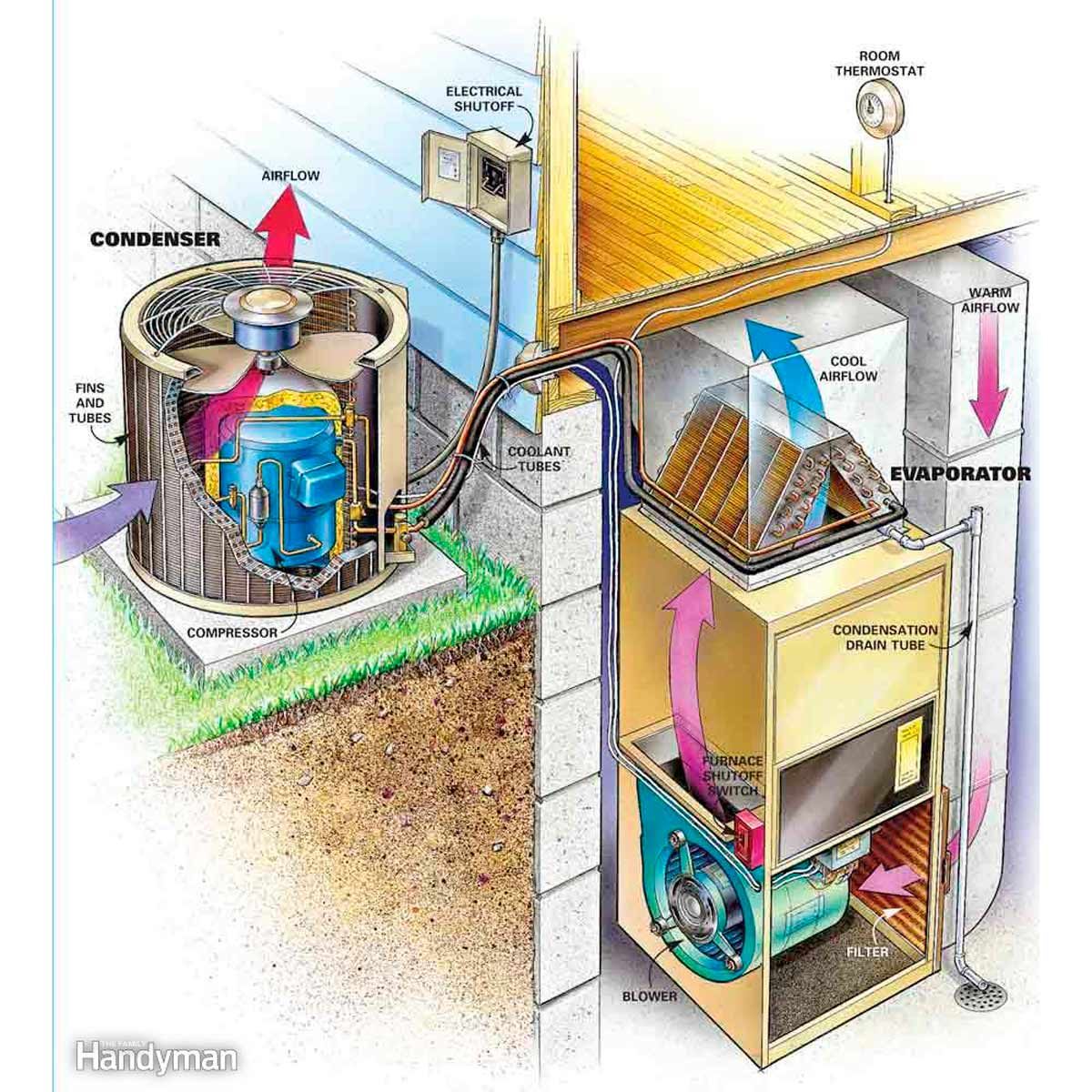
For remote workers or office employees, the challenge is mostly managing electricity bills and keeping air conditioning units from failing under constant strain. For those in physical, industrial, or hybrid desk-to-field roles, occupational safety is paramount.
Employers in Arizona must comply with specific guidelines to prevent heat illness, but workers must also advocate for themselves. Recognize the early warning signs of heat exhaustion—dizziness, heavy sweating, nausea, and rapid pulse. If ignored, it quickly escalates to heatstroke, which is a medical emergency.
Take advantage of mandatory rest breaks in shaded or air-conditioned areas. If you're managing a team, keep cool potable water within arm's reach of every workstation and implement a buddy system so workers can monitor each other for cognitive changes caused by heat strain.
Frequently Asked Questions
Does the heat really feel different because it's a dry climate?
Yes. Phoenix features low relative humidity, which means sweat evaporates instantly. While this prevents the heavy, suffocating feeling of tropical climates, it also tricks your body. You lose moisture rapidly without realizing how much you're sweating, making dehydration sneak up on you much faster.
How do locals handle high air conditioning bills in the summer?
Most residents program their thermostats to edge up slightly during peak utility pricing hours (usually late afternoon) and pre-cool their homes early in the morning. Blackout curtains, smart thermostats, and routine HVAC maintenance before summer hits are essential strategies to prevent costly compressor burnouts.
Can you exercise outdoors safely during the summer?
Running or cycling outside during the day is dangerous. Dedicated runners and outdoor enthusiasts shift their workouts to indoor gyms, or start their outdoor routines between 4:00 AM and 5:00 AM before the sun clears the horizon.
What should I do if my home AC unit fails during a heat wave?
AC failures in July or August require immediate action. Call emergency HVAC repair services immediately—expect wait times and premium rates. Many local municipalities open designated cooling shelters if your home becomes uninhabitable. Keep emergency contacts for local shelters handy, or plan to stay with friends or at a hotel until repairs are completed.