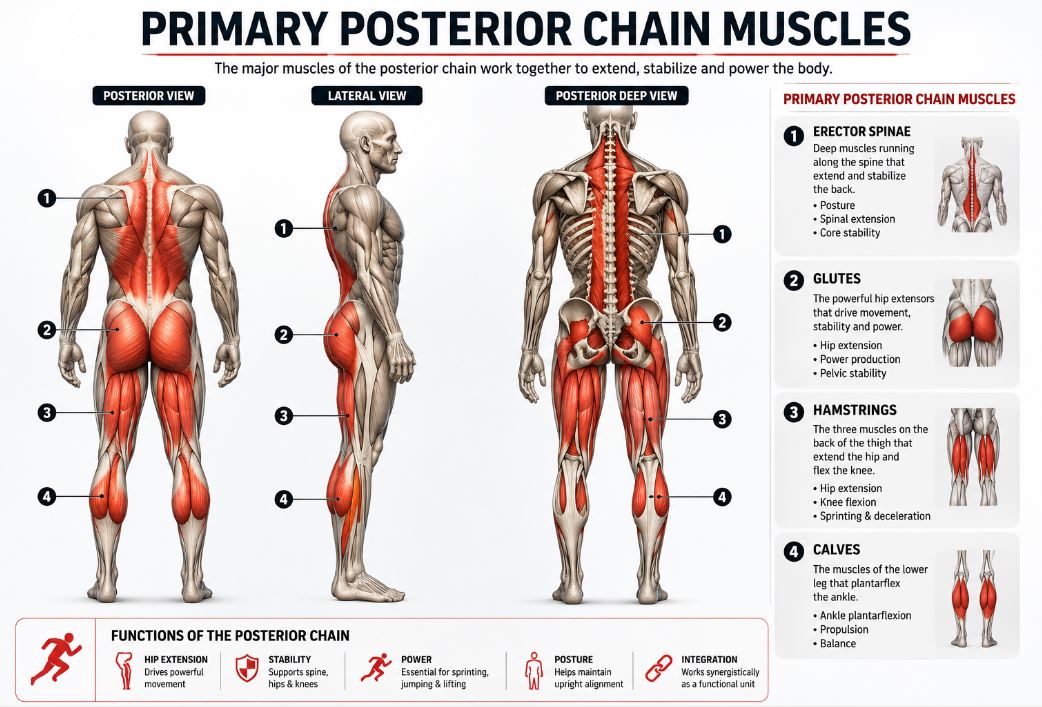
Dealing with persistent joint pain or a bone injury disrupts your daily life. Finding the right specialist makes all the difference in your recovery. Orthopedic specialists focus on diagnosing, treating, and rehabilitating conditions affecting your musculoskeletal system, which includes bones, joints, ligaments, tendons, and muscles.
When you seek expert care for your joint and bone needs, you aren't just looking for symptom relief; you're looking for a long-term plan to restore mobility. Whether you're managing chronic arthritis, recovering from a sports injury, or preparing for joint replacement surgery, understanding your options helps you navigate the medical system with confidence.
Understanding Musculoskeletal Health
Your musculoskeletal system bears the weight of your daily activities. Bones provide structure, while joints, cartilage, and tendons allow fluid movement. Over time, wear and tear, acute trauma, or inflammatory conditions take a toll.
Common triggers for visiting an orthopedic clinic include:
- Unexplained joint swelling or stiffness that lasts more than a few days.
- Sharp pain during movement or weight-bearing activities.
- Reduced range of motion in the hips, knees, shoulders, or spine.
- Instability or locking sensations in a joint.
- Post-traumatic pain following a fall, car accident, or athletic injury.
Ignoring these warning signs often leads to accelerated joint degeneration. Early diagnosis by a qualified specialist stops minor issues from turning into chronic, debilitating conditions.
The Role of Orthopedic Specialists
Modern orthopedic practices bring together multidisciplinary teams to cover every aspect of bone and joint health. Knowing who to consult ensures you get the right treatment faster.
Orthopedic Surgeons
These specialists complete rigorous medical school and residency training focused entirely on the musculoskeletal system. While the word "surgeon" is in the title, surgery is rarely the first recommendation. Surgeons evaluate whether non-surgical therapies can resolve your issue before discussing operative interventions.
Sports Medicine Physicians
You don't need to be a professional athlete to see a sports medicine expert. These practitioners focus on non-surgical treatments for soft tissue injuries, tendonitis, ligament sprains, and joint overuse. They excel at helping active individuals return to their routines safely.
Physical Medicine and Rehabilitation Physicians
Also known as physiatrists, these doctors focus on restoring functional ability without surgery. They design comprehensive rehabilitation plans, manage chronic pain through targeted therapies, and coordinate care with physical therapists.
Diagnostic Procedures and Evaluations
A proper treatment plan starts with an accurate diagnosis. When you visit a specialized clinic, the medical team conducts a thorough evaluation before recommending any intervention.
The diagnostic process typically involves:
- Physical Examination: The clinician checks your joint stability, range of motion, swelling, and tenderness points.
- Imaging Studies: X-rays reveal bone fractures and arthritic changes, while MRIs provide detailed views of soft tissues like cartilage, tendons, and ligaments.
- Diagnostic Injections: In some cases, a local anesthetic is injected into a specific joint to confirm the exact source of your pain.
According to the American Academy of Orthopaedic Surgeons, combining physical testing with advanced imaging allows specialists to create targeted, personalized care regimens rather than relying on generalized treatments.
Treatment Options: From Conservative Care to Surgery
Every patient's body responds differently to injury and degeneration. Top-tier clinics prioritize conservative, non-invasive therapies whenever appropriate.
Conservative Management
For many patients, relief comes without an operating room. Non-surgical options include targeted physical therapy to strengthen supporting muscles, activity modifications, and anti-inflammatory medications. For joint inflammation, clinicians frequently utilize corticosteroid injections or viscosupplementation to ease pain and improve mobility.
Minimally Invasive Procedures
When conservative measures fall short, modern techniques have transformed surgical intervention. Arthroscopic surgery allows specialists to repair torn cartilage or ligaments through tiny incisions, resulting in less postoperative pain and faster recovery times than traditional open procedures.
Joint Replacement and Reconstruction
For advanced arthritis or severe joint destruction, partial or total joint replacement restores function and eliminates chronic pain. Modern implants mimic natural joint movement closely, and enhanced recovery protocols help patients get back on their feet within hours of their operation.
Preparing for Your Orthopedic Consultation
Making the most of your appointment requires a bit of preparation. Walking into the exam room with organized information helps your care team diagnose your condition faster.
Follow these practical steps before your visit:
- Write down your symptom timeline: Note when the pain started, what makes it worse, and what temporarily relieves it.
- Gather past imaging and medical records: Bring copies of previous X-rays, MRIs, or doctor notes.
- List your current medications: Include all prescription drugs, over-the-counter pain relievers, and supplements.
- Prepare specific questions: Write down what activities you want to return to so your specialist understands your personal recovery goals.
Don't let fear of surgery keep you away from a clinic. Most visits result in non-surgical recommendations focused on getting you moving comfortably again.
Frequently Asked Questions
Do I need a doctor's referral to see an orthopedic specialist?
It depends on your health insurance policy and the specific clinic. While some specialist practices require a primary care physician referral for insurance coverage, others allow direct scheduling. Always check with your insurance provider beforehand.
What is the difference between an orthopedist and a rheumatologist?
Orthopedists focus on structural, mechanical, and traumatic issues affecting bones and joints, often performing surgical interventions. Rheumatologists specialize in systemic autoimmune and inflammatory conditions, such as rheumatoid arthritis and lupus, treated primarily through specialized medications.
How long does physical therapy take after an injury?
Recovery timelines vary widely based on the injury severity and the specific joint involved. Minor soft tissue issues might resolve in four to six weeks of therapy, whereas major joint reconstruction can require three to six months of dedicated rehabilitation.
Are steroid injections painful?
Most patients feel a brief pinch and pressure during the injection. Clinicians often use a topical anesthetic spray or mix a local anesthetic with the steroid to minimize discomfort during the procedure.