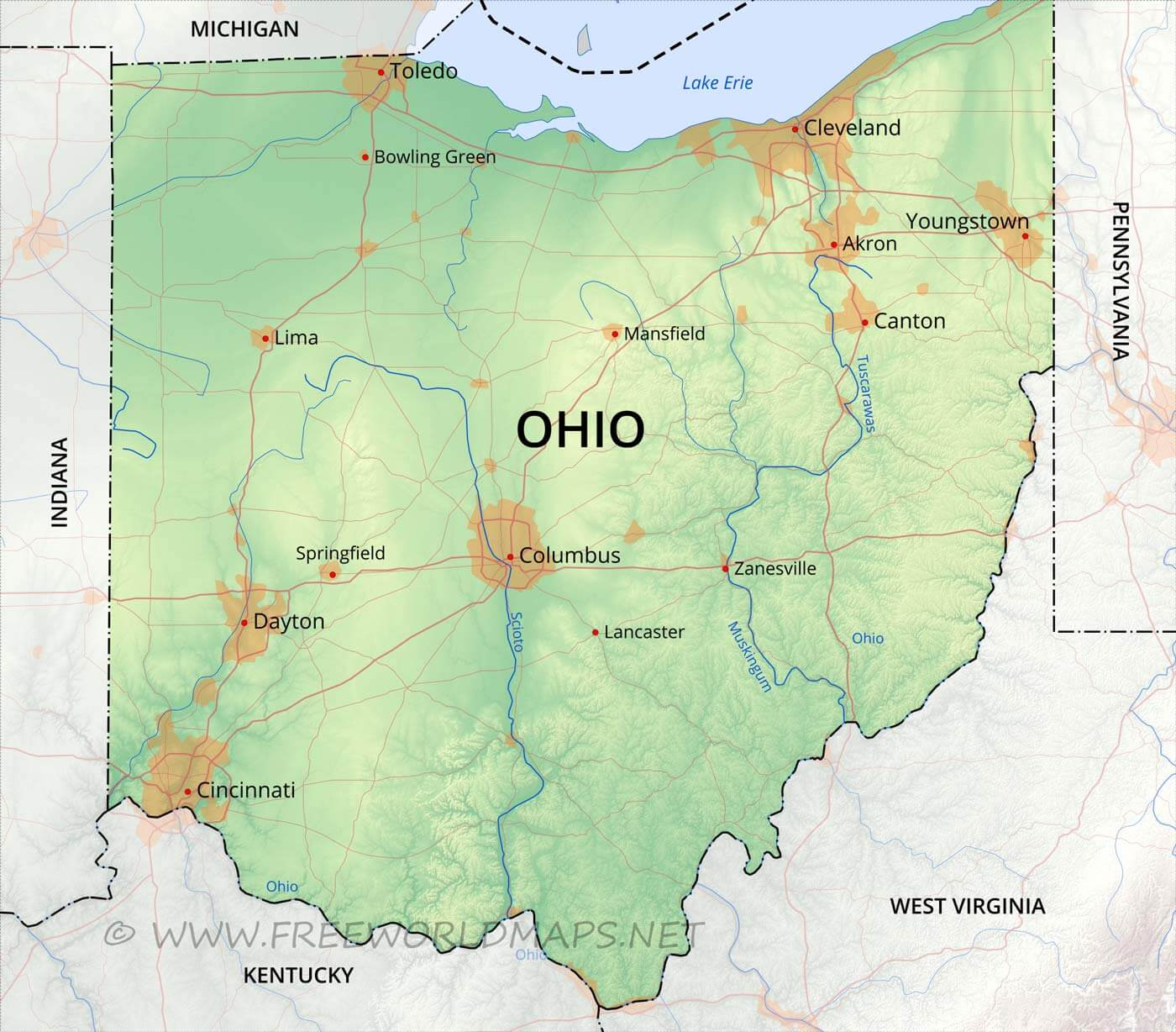
Thousands of lenses track movement across Ohio corridors every single day, raising a constant question about who watches the watchers. Drivers across the state rely on live feeds to check commutes on Interstate 70, Interstate 75, and local state routes, but few understand the legal framework governing these systems. The digital footprint left on public infrastructure involves complex boundaries between state-managed traffic monitoring, local municipal ticketing technology, and strict open records laws.
Public safety networks serve distinct purposes depending on whether they are managed by the Ohio Department of Transportation (ODOT) or local police departments. ODOT cameras provide real-time visibility for traffic management and weather response, streaming public feeds without recording permanent archives for general surveillance. Conversely, automated enforcement equipment operated by individual cities captures specific violations like speeding or red-light infractions, triggering formal legal notices. Knowing the functional differences between these tools clarifies what data is actually stored, who can access it, and how state privacy standards protect everyday commuters.
The Dual Architecture: ODOT Monitoring vs. Municipal Enforcement
To understand how highway cameras function, you must first separate operational traffic management from automated law enforcement. These systems serve entirely different masters and operate under separate statutory rules.
ODOT operates hundreds of pan-tilt-zoom cameras primarily designed to monitor congestion, weather conditions, and accidents. According to agency standards, these feeds are broadcast live to help drivers plan routes through the OHGO network, but they are generally not recorded or stored for long periods. If an incident occurs, brief clips might be saved for traffic engineering or shared with law enforcement upon request, but ODOT does not maintain a searchable historic library of driver movements.
Municipal automated enforcement is an entirely different operational mechanism. Cities deploy fixed red-light and speed-detection cameras at high-risk intersections to generate citations. Unlike ODOT cameras, these units capture high-resolution images of license plates and drivers when triggered by embedded road sensors. The data collected here enters a municipal workflow that results in civil fines mailed directly to registered vehicle owners.
How Automated Enforcement Triggers Work
- Detection: A vehicle crosses a threshold—such as entering an intersection after a signal turns red or exceeding the posted speed limit by a set margin.
- Capture: Sensors activate high-speed digital cameras to record multiple frames showing the vehicle's position relative to the stop bar or lane markers alongside the traffic signal state.
- Human Review: Before any penalty notice is finalized, a trained technician or local law enforcement officer inspects the photographic evidence to verify equipment accuracy and confirm the violation.
- Issuance: A civil violation notice containing web access codes to view the digital evidence and instructions for payment or contestation is mailed to the registered owner.
Public Records Laws and the Right to Inspect Footage
Under the Ohio Public Records Act, most documents, electronic files, and recordings created by state and local government entities are open to public inspection. However, applying this statute to highway and traffic camera footage creates a friction point between transparency and privacy.
Because ODOT traffic monitoring feeds are typically broadcast live without continuous archiving, the state often cannot fulfill requests for past footage simply because the data was never saved. When footage does exist—such as clips secured during a criminal investigation or municipal red-light camera logs—it falls under public records definitions.
Agencies occasionally attempt to withhold or delay the release of video evidence by invoking exemptions like the Confidential Law Enforcement Investigatory Record (CLEIR) exception. Yet, the Supreme Court of Ohio has consistently ruled that public records retain their open status unless a statutory exemption explicitly applies. Citizens and media organizations retain the legal right to request these logs, though municipalities frequently push back on large-scale requests by citing undue burden or privacy concerns regarding identifiable faces of private citizens.
Privacy Protections and Technical Safeguards
Commuters frequently worry about continuous tracking, interior cabin views, and facial recognition technology. State agencies implement specific physical and digital safeguards to address these concerns:
- No Interior Cabin Views: Cameras are mounted at elevated heights and tilted downward to capture external vehicle flow and roadway conditions rather than looking through side windows.
- Encrypted Transmission: Video signals sent from roadside poles to regional Traffic Management Centers utilize secure, encrypted protocols to prevent external interception.
- Data Minimization: Operational monitoring systems discard temporary buffer files quickly unless an active crash investigation requires preservation.
Despite these technical guardrails, automated license plate readers (ALPRs) operated by local police forces present a separate privacy debate. Unlike traffic flow cameras, ALPRs log every passing plate into searchable databases, tracking travel habits over time. While law enforcement defends these tools as vital for locating stolen vehicles or missing persons, civil liberties groups regularly challenge retention periods that store innocent drivers' location histories for months.
Common Misconceptions About Ohio Highway Cameras
Myths surrounding highway monitoring often cause unnecessary confusion for drivers navigating major metro areas like Cleveland, Columbus, and Cincinnati.
One common misconception is that ODOT traffic cameras issue speeding tickets. Drivers frequently slow down abruptly near overhead monitoring devices out of fear of a fine. In reality, ODOT cameras cannot issue citations; their sole purpose is infrastructure management and public traveler information. Only certified municipal systems or sworn police officers operating specific radar units can issue moving violations.
Another frequent error involves assuming that all traffic cameras across the state operate under identical local ordinances. Ohio law grants municipalities local home-rule authority regarding automated enforcement, meaning rules on fines, point assessments, and designated school zones vary significantly between cities like Toledo and Dayton.
Frequently Asked Questions
Can I request live ODOT camera footage for a personal insurance claim?
Generally, no. ODOT streams live video feeds to the public but does not maintain a permanent commercial archive. If you are involved in a collision, you must rely on dashcam files, police accident reports, or nearby private security systems.
Are speed cameras legal on all Ohio interstate highways?
No. State regulations place strict limits on automated speed enforcement, restricting their use primarily to designated municipal zones, specific construction work areas, and local intersections that meet rigorous engineering safety criteria.
Who has access to municipal red-light camera data?
Data captured by automated enforcement equipment is processed by the contracted vendor and local police departments. It is protected by data privacy rules, though it can be subpoenaed during legal proceedings or requested via public records laws with certain personal identifiers redacted.
How long does the state retain traffic monitoring data?
Because live feeds are rarely recorded, temporary streaming data is typically purged within hours or days. Data tied to active citations or criminal investigations is retained in accordance with municipal record-retention schedules.


