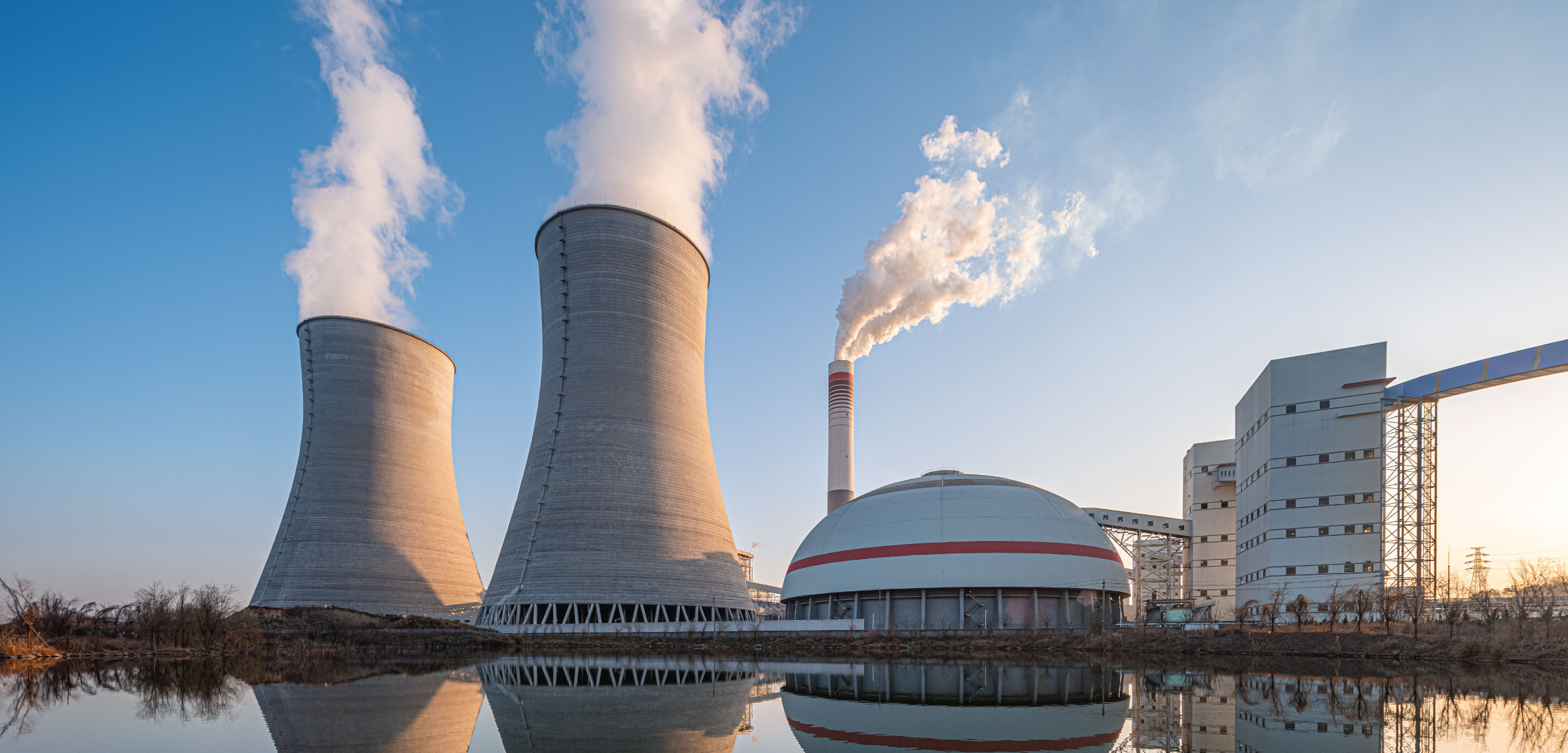
A nuclear security officer acts as the front-line physical deterrent protecting critical energy infrastructure from sabotage, theft, and unauthorized intrusion. While public imagination pictures high-speed cinematic standoffs, the reality is a disciplined routine of perimeter patrols, access verification, and strict regulatory compliance overseen by agencies like the Canadian Nuclear Safety Commission or the U.S. Nuclear Regulatory Commission.
Understanding what these officers do requires looking past the concrete containment domes to examine the layered security zones, specialized training hurdles, and modern cyber-physical threats facing atomic energy installations today.
The Architecture of Plant Defense: Layered Security Zones
Nuclear security isn't managed by a single gate or a single fence. Facilities rely on a defense-in-depth model, partitioning the plant into distinct concentric perimeters. Each boundary introduces higher levels of clearance, surveillance, and physical resistance.
- The Owner Controlled Area (OCA): This outermost ring acts as a buffer zone. It controls vehicle traffic, parking, and general public access while monitoring for loitering or anomalous reconnaissance behavior.
- The Protected Area (PA): Flanked by double fences, intrusion detection sensors, and thermal cameras, this zone requires biometric verification and rigorous credential checks. Any breach triggers an immediate armed response.
- The Vital Area (VA): Contained deep within the plant structure, this houses reactor controls, cooling systems, and spent fuel pools. Access is restricted to essential licensed operators and security personnel under escort.
Core Responsibilities of a Nuclear Security Officer
The daily duties of a nuclear security officer focus heavily on prevention rather than reaction. Officers work rotating shifts to maintain 24/7/365 coverage across several core functions.
- Access Control Management: Verifying credentials, managing visitor logs, and operating biometric turnstiles for thousands of plant employees and contractors.
- Perimeter and Interior Patrols: Conducting random and scheduled sweeps of physical barriers, alarm systems, and backup power generators.
- Tactical Response Readiness: Participating in continuous tactical drills, live-fire exercises, and force-on-force simulations to counter design-basis threat scenarios.
- Material Oversight: Monitoring the movement of radioactive sources and special nuclear materials entering or leaving the facility footprint.
Training Regimens and Psychological Demands
Becoming a nuclear security officer requires passing background checks that rival federal intelligence clearances. Candidates undergo extensive psychological evaluations, drug screenings, and exhaustive employment history checks.
Once cleared, recruits complete months of academy training. This curriculum covers tactical firearms proficiency, legal use-of-force frameworks, conflict de-escalation, and nuclear plant layout dynamics. Because boredom can breed complacency during long shifts, officers train extensively to maintain hyper-vigilance without burning out. Recognizing a subtle deviation in equipment hum or spotting an irregular shadow on a thermal monitor can prevent a catastrophic failure.
The Evolving Threat Landscape: Bridging Physical and Cyber Security
The role has changed dramatically over the last decade. Traditional physical security—guns, guards, and gates—now intersects directly with digital infrastructure. Modern reactors utilize digital control systems, making cybersecurity a major operational focus.
Security officers don't just watch the fence line; they coordinate with cybersecurity teams to monitor for anomalies in network traffic that could signal a coordinated cyber-physical attack. If a malicious actor attempts to compromise digital safety interlocks while an accomplice breaches a physical gate, security personnel must process cross-domain intelligence instantly. This convergence requires officers to understand basic network vulnerabilities alongside physical tactical response.
Frequently Asked Questions
Are nuclear security officers members of the military?
Most nuclear security officers are civilian professionals employed directly by the utility licensee or specialized private security contractors. However, they undergo training standards and background investigations that mirror military or federal law enforcement agencies.
Do nuclear security officers carry firearms on duty?
Yes. Officers stationed at commercial nuclear power plants comprise an on-site armed response force equipped with specialized tactical weaponry, body armor, and communication gear to neutralize high-risk threats.
How do security officers coordinate during a regional emergency?
In the event of an emergency, plant security coordinates directly with federal regulators, such as the International Atomic Energy Agency, alongside local law enforcement and provincial or state emergency management organizations to secure the site and control access.
What is a design-basis threat?
A design-basis threat is a profile of potential adversaries, weapons, and tactics established by regulatory bodies. Nuclear security officers train and drill specifically to defeat this standardized worst-case scenario.



