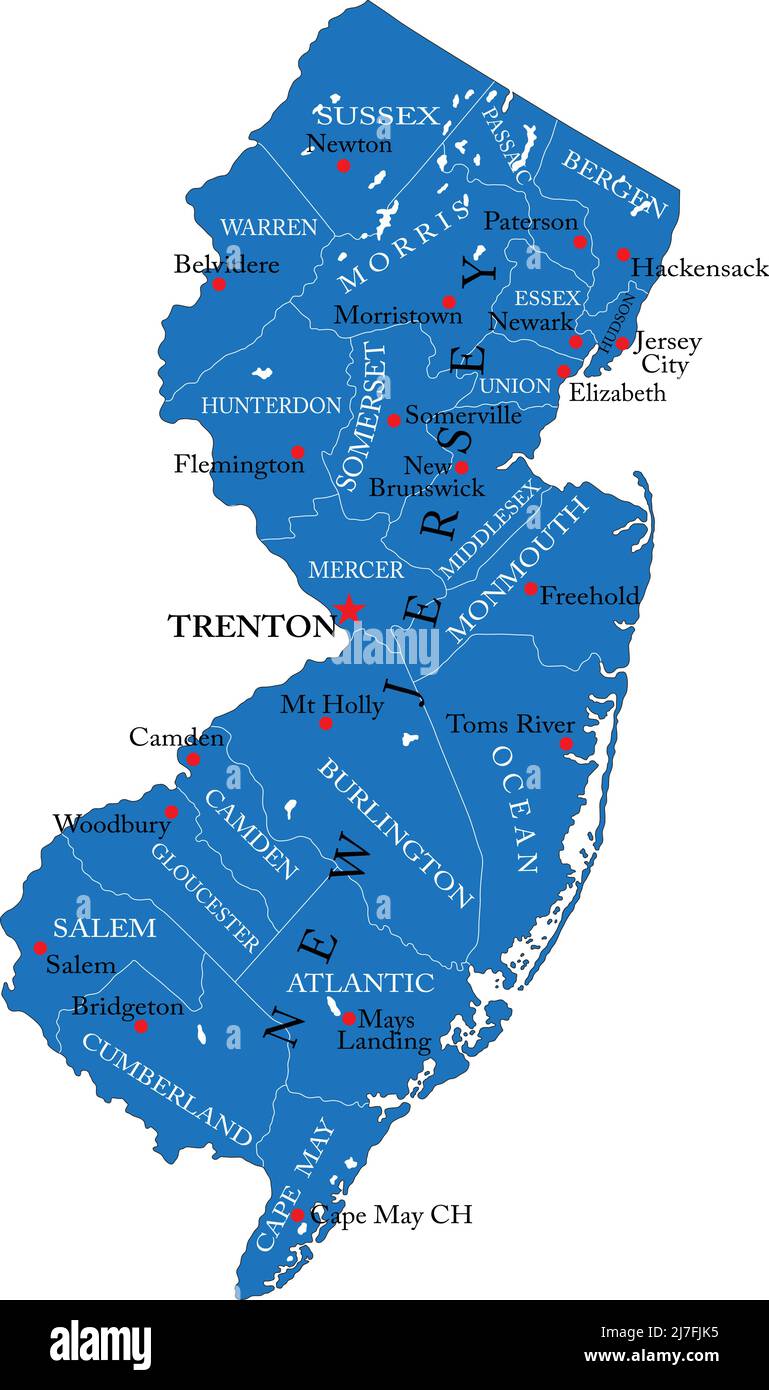
The NJ ANCHOR benefit provides direct property tax relief to eligible homeowners and renters across New Jersey. Administered by the New Jersey Division of Taxation, the Affordable New Jersey Communities for Homeowners and Renters program distributes hundreds of dollars—and up to $1,500 for qualifying property owners—to offset the state's notoriously high property tax burdens.
Understanding how the program works requires looking past confusing bureaucratic terms. Whether you're checking your payout status, verifying income thresholds, or figuring out whether you qualify as a renter or homeowner, knowing the exact rules ensures you don't leave money on the table.
What is the NJ ANCHOR Benefit?
The ANCHOR program is a state-funded property tax rebate initiative. Unlike standard tax deductions that lower your taxable income by a fraction, ANCHOR delivers direct cash payments via direct deposit or paper check.
The program focuses on residency, age, and gross income during the designated baseline year. If you owned or rented your principal residence in New Jersey on October 1 of the qualifying tax period, you could be eligible for financial relief.
Homeowner Eligibility and Payout Tiers
Homeowners represent the largest segment of ANCHOR recipients, with payout amounts scaled according to household income. To qualify as a homeowner, you must meet specific criteria set by the state:
- You were a New Jersey resident.
- You owned and occupied your main home in New Jersey on October 1.
- Your home was subject to local property taxes.
- Your New Jersey gross income (found on line 29 of your NJ-1040) did not exceed $250,000.
The payout structure breaks down into two distinct income brackets:
- $150,000 or less: Homeowners receive a $1,500 benefit.
- $150,001 to $250,000: Homeowners receive a $1,000 benefit.
If you turned 65 by the end of the tax year, you may also qualify for additional senior benefits or property tax credits bundled with your state filings.
Renter Eligibility and Payout Tiers
Renters frequently overlook this program because they assume property tax relief only applies to deed-holding owners. However, tenants who meet basic occupancy rules can claim a substantial rebate. Renter requirements include:
- Living in New Jersey as a resident.
- Renting and occupying a primary residence subject to local property taxes on October 1.
- Having your name explicitly listed on the lease or rental agreement.
- Maintaining a New Jersey gross income of $150,000 or less.
Qualifying renters receive a base benefit of $450. Furthermore, renters aged 65 or older receive an additional $250 bonus, bringing their total benefit to $700.
How Payouts and Processing Timelines Work
Once your application is approved, payments are processed on a rolling basis. The state typically issues payments within 90 days of filing.
- Direct Deposit: Available to online filers who provide valid checking or savings account details.
- Paper Checks: Mailed directly to applicants who file via paper forms or choose physical delivery.
If you received the benefit in previous years and your mailing address or banking details haven't changed, the Division of Taxation often auto-files your renewal. However, seniors and individuals filing through the combined PAS-1 application must submit manual updates or new forms when required.
Common Mistakes That Delay ANCHOR Payments
Filing errors routinely stall rebate disbursements. Avoid these pitfalls to secure your funds without unnecessary delays:
- Missing the Residency Snapshot: Moving out of state before October 1 disqualifies you for that cycle, as occupancy on that exact date dictates eligibility.
- Confusing Gross Income Limits: Using federal adjusted gross income instead of New Jersey gross income (line 29 of the NJ-1040) can lead to calculation errors or automatic rejection.
- Incorrect Property Identifiers: Homeowners must enter accurate county codes, municipality codes, blocks, lots, and qualifiers taken directly from their local property tax bills.
- Name Discrepancies on Leases: Renters must ensure the name on their application matches the name printed on the active lease agreement.
Frequently Asked Questions
Do I have to pay taxes on my ANCHOR benefit?
No. The state considers the ANCHOR payout a property tax rebate rather than taxable income, meaning you don't report it on your federal or state income tax returns.
What if I sold my home after October 1?
You remain eligible for the benefit as long as you owned and occupied the property as your primary residence on October 1 of the benefit year. Subsequent moves or sales do not invalidate your claim for that period.
Can roommates in the same apartment both apply?
Yes. If multiple roommates share a rental unit and all of their names appear on the lease agreement while they share rent payments, each individual can submit a separate renter application for their portion.
What happens if I make $250,001 as a homeowner?
The income limits are strict. If your New Jersey gross income exceeds the $250,000 ceiling for homeowners or $150,000 for renters by even a single dollar, you do not qualify for a partial payment.
How do I check the status of my rebate?
You can track your payment progress online through the official NJ Division of Taxation portal by navigating to the property tax relief status checker.