The annual New Year countdown captures a unique psychological shift across the globe, uniting millions in a shared moment of transition. As the final seconds tick away, people look back at the lessons of the past twelve months while preparing for a fresh start. Understanding how time zones govern this global celebration, alongside practical ways to manage the shift, helps you make the most of midnight.
From the first strikes of midnight in Pacific island nations like Kiribati to the final cheers in Baker Island, the global rotation creates a rolling wave of festivities. Whether you're tracking the digital clock online or hosting a local gathering, knowing how to structure the evening prevents midnight chaos and lets you focus on what matters.
The Global Timeline of Midnight
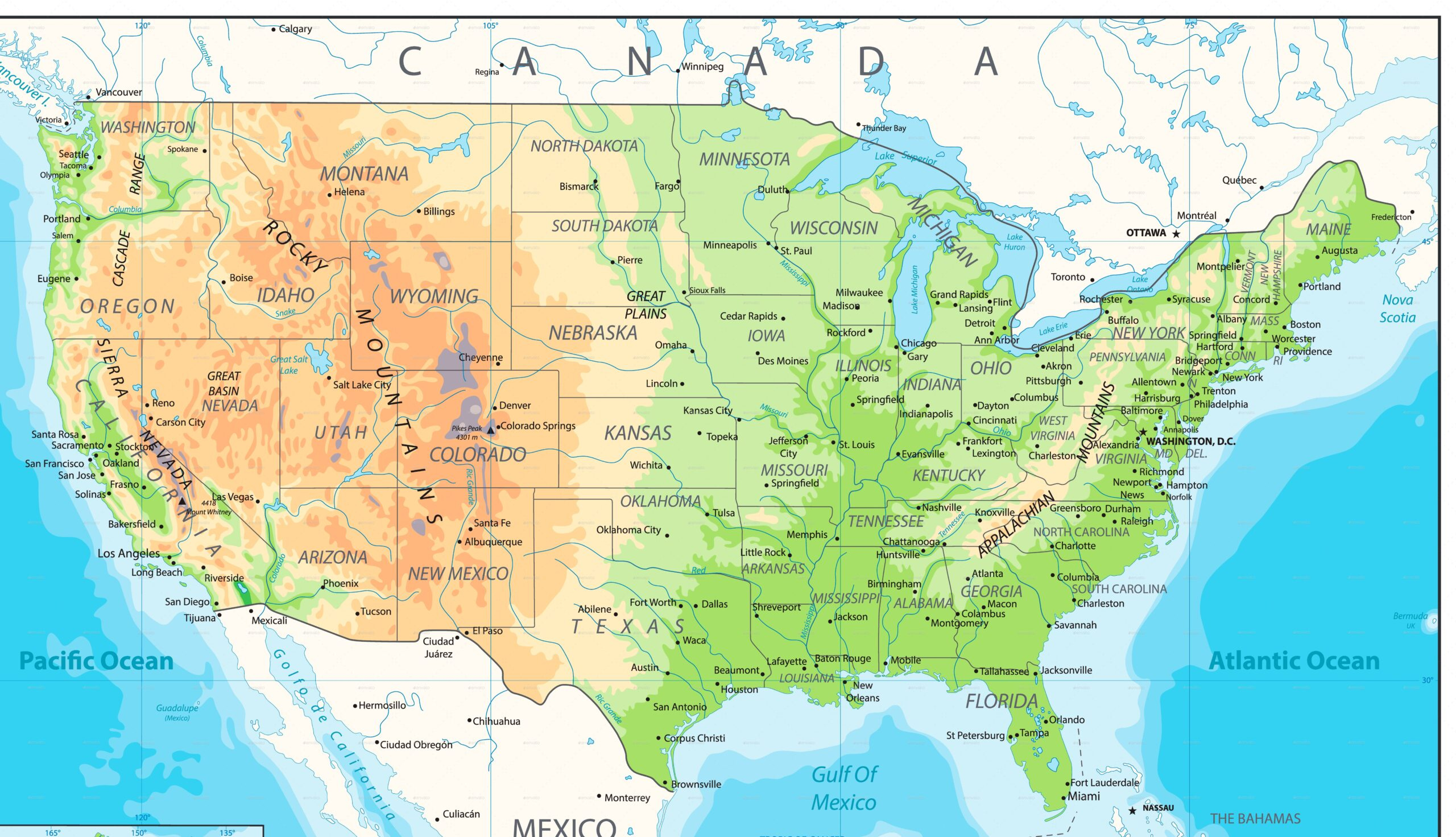
Time zones dictate how the New Year countdown unfolds across international borders. Because the Earth is divided into twenty-four primary time zones, the transition into January 1 spans a full twenty-six hours from start to finish.
- First to Celebrate: The Pacific island nations of Tonga, Samoa, and parts of Kiribati welcome the new year first, sitting thirteen hours ahead of Coordinated Universal Time (UTC).
- The North American Wave: The countdown moves westward across the Atlantic, hitting eastern Canada and the United States before sweeping through Central, Mountain, and Pacific zones.
- Last to Celebrate: Remote US minor outlying islands, including Howland Island and Baker Island, ring in the date a full twenty-six hours after the earliest celebratory zones.
Coordinating Multi-Time Zone Celebrations
If you're connecting with friends or family overseas, tracking disparate schedules requires a bit of planning. Major global broadcast hubs like Time and Date offer live regional trackers. Instead of guessing local time conversions, synchronize your digital clocks to UTC or choose a specific international milestone—such as midnight in London or New York—to share a virtual toast.
Structuring an Engaging New Year's Eve Event
Hosting an in-person gathering or managing a family night requires careful pacing. A common mistake is letting the hours between dinner and midnight drag without purpose. Successful evening schedules incorporate natural milestones to keep energy high.
- 7:00 PM to 9:00 PM: Serve main meals and allow guests to settle in comfortably.
- 9:00 PM to 10:30 PM: Introduce low-stakes interactive activities, such as trivia games focusing on pop culture milestones from the past year.
- 10:30 PM to 11:45 PM: Prepare midnight refreshments, set out party favors, and cue up your broadcast or countdown timer.
- 11:55 PM to 12:05 AM: Gather for the final ten-second shouted countdown, toast, and initial celebrations.
Transitioning From Celebration to Fresh Goals
The morning of New Years Day often brings a sudden drop in adrenaline. Transitioning smoothly from late-night festivities into a productive mindset helps avoid the January sluggishness.
Instead of drafting rigid, overly ambitious resolutions that fade by month three, focus on habit architecture. Break larger lifestyle adjustments down into smaller daily actions. For example, if your goal is professional development, commit to reading fifteen minutes a day rather than vowing to finish a dozen complex textbooks a month.
Official planning frameworks, such as those outlined by the Government of Canada Wellness Guides, emphasize that sustainable personal changes stem from gradual routines rather than sudden midnight declarations.
Common Pitfalls During the Midnight Transition
Avoiding logistical headaches ensures your evening remains memorable for the right reasons. Keep these common mistakes in mind:
- Overcomplicating the Menu: Trying to cook complex, multi-course meals while hosting leaves you stuck in the kitchen instead of enjoying the evening with guests. Stick to make-ahead finger foods or catered platters.
- Ignoring Transportation Logistics: If your gathering involves alcohol, establish rideshare plans, designated drivers, or local taxi bookings well before midnight hits. Waiting until 12:30 AM to secure a ride results in massive surge pricing and long wait times.
- Neglecting Background Ambiance: Relying entirely on television broadcasts can kill the room's energy during lulls. Curate a flexible background playlist that transitions from upbeat dinner music to high-energy celebratory tracks as midnight approaches.
Frequently Asked Questions
Why do we countdown the final ten seconds?
The practice of shouting out the final ten seconds popularized alongside early twentieth-century radio broadcasting and public square gatherings in cities like New York. It creates communal synchronization, allowing crowds to act as a single unit when welcoming the new calendar date.
How do different cultures celebrate the stroke of midnight?
Traditions vary widely across the globe. In Spain, people traditionally eat twelve grapes—one for each stroke of the clock at midnight—to secure good luck for the months ahead. In Denmark, residents break old plates against the front doors of friends and family to banish bad spirits.
What is the most effective way to stick to annual goals?
Instead of relying on willpower alone, track your progress using visual habit trackers or weekly check-ins. Reviewing your targets every Sunday helps you course-correct early when unexpected obstacles arise, keeping your plans realistic and adaptable.