Navigating career and educational opportunities within the tribal community doesn't have to feel overwhelming. The Muscogee Nation Employment and Training Administration (ETA) provides structured pathways for citizens seeking financial assistance, skill-building, and long-term career stability. Whether you're looking to complete your GED, secure funding for vocational technical school, or gain paid hands-on work experience, understanding how these programs operate is the first step toward self-sufficiency.
This guide breaks down the core offerings administered through the Muscogee Nation Department of Education and Training, detailing eligibility criteria, specific support mechanisms, and practical steps to apply without running into common administrative roadblocks.
Core Workforce and Career Readiness Services
The backbone of tribal employment support lies in active career planning and barrier removal. Instead of offering generic job boards, the ETA focuses on personalized case management that addresses individual hurdles—ranging from transportation needs to resume gaps.
Career Readiness Program
Designed for adults aged twenty-two and older who meet specific income thresholds and have experienced extended unemployment, the Career Readiness Program provides intensive support. Participants engage in structured workshops covering resume building, mock interviews, and essential life skills.
- Work Experience Integration: Participants can transition into the Adult Work Experience Program, which funds up to 360 hours of paid hands-on training.
- Supportive Services: The program offers direct referrals and resource access to help clear away obstacles that prevent steady employment.
Classroom Training Programs (CTP)
For those pursuing specialized trades or technical certifications, classroom training support bridges the financial gap. Partnerships with institutions like Oklahoma State University Institute of Technology (OSU-IT) and specialized natural gas training tracks provide targeted assistance.
- Financial Relief: Qualified students enrolled in approved programs can receive tuition and book assistance (such as up to $1500 for tuition and $400 for books per semester for unmet needs) alongside weekly stipends.
- Equipment Support: Limited funding is allocated for required professional tools and gear depending on the specific technical curriculum.
Education, Scholarships, and Academic Grants
Education remains a primary pillar for long-term economic empowerment. Beyond vocational training, the nation offers distinct funding channels for academic milestones, ranging from high school concurrent enrollment to post-graduate studies.
Vocational and Higher Education Grants
Citizens pursuing undergraduate degrees or vocational certificates can apply for supplemental grants through the Muscogee Nation Department of Higher Education. These funds are structured to cover unmet financial needs after other federal or institutional aid has been applied.
- Concurrent Enrollment Support: High school students taking college or technical courses concurrently can access specific fee assistance programs.
- Emergency Technical Scholarships: The Emergency Vocational and Technical Scholarship (EV-TSF) steps in when sudden financial hurdles threaten a student's completion of a certificate track.
GED Assistance and Continuing Education
Adult learners wanting to complete their high school equivalency are paired with testing resources, material fees support, and post-GED career transition guidance. The ETA ensures that passing the GED leads directly into job placement or technical enrollment rather than leaving graduates to navigate the next phase alone.
Youth Programs and Early Career Pipelines
Building a sustainable workforce starts long before adulthood. The nation invests heavily in youth-centric initiatives designed to instill professional habits and cultural connection early on.
- Summer Youth Employment Program (SYEP): Part of the broader Muscogee Nation Youth Works initiative, SYEP places eligible students in structured summer positions within tribal offices and community partners, offering paid work experience and professional mentorship.
- Mvskoke Leadership Program: This initiative fosters civic engagement, leadership skills, and cultural awareness among young tribal citizens through workshops and community projects.
Step-by-Step Application Process
Securing assistance requires careful timing and documentation. Missing a window can delay enrollment by an entire semester. Follow these steps to keep your application moving smoothly:
- Verify Eligibility: Check residency requirements (such as living within the Muscogee Nation Reservation for specific adult programs) and tribal enrollment verification needs.
- Gather Documents: Prepare standard verification items including your tribal citizenship card, proof of income, recent tax documentation, and a valid photo ID.
- Submit Ahead of Deadlines: Most ETA programs require applications to be submitted at least two weeks prior to the start of a class or program cycle.
- Complete Intake Assessments: Attend scheduled interviews or orientation sessions with an ETA case manager to finalize your personalized service plan.
Common Mistakes to Avoid
- Waiting Until the Last Minute: Submitting forms days before a term starts often leads to incomplete files because income verification or tribal records take time to process.
- Ignoring Enrollment Minimums: Programs like the Classroom Training Track require strict credit-hour minimums (such as 9 to 12 credit hours per semester). Dropping a class below these thresholds can trigger a loss of stipend eligibility.
- Failing to Update Contact Information: Case managers rely on phone and email to schedule mandatory check-ins; missed communications can result in paused benefits.
Frequently Asked Questions
Do I have to live within the reservation boundaries to qualify?
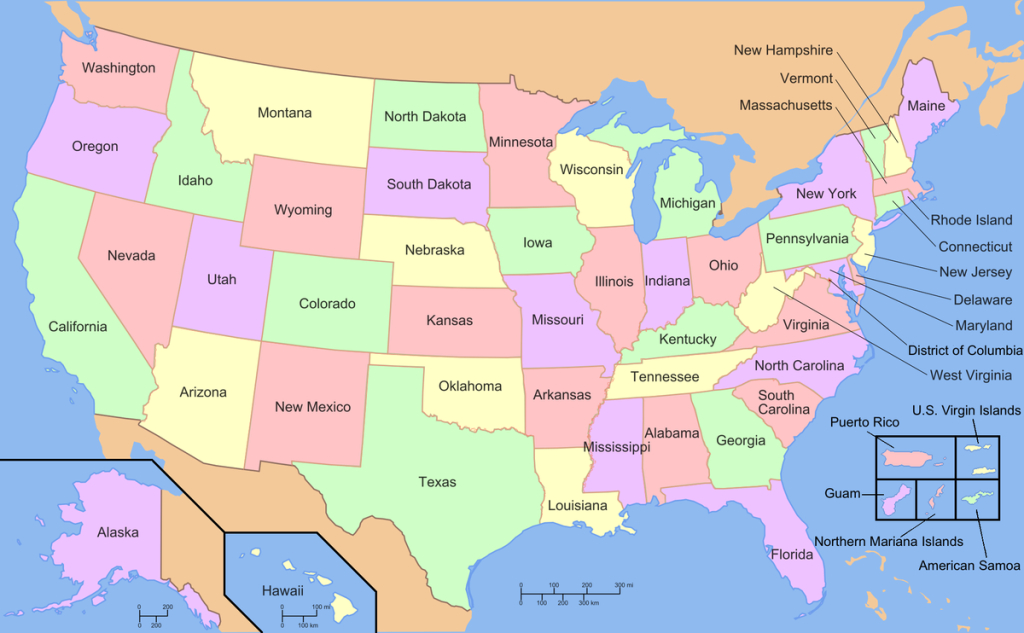
It depends on the specific program. While adult training initiatives like the Career Readiness Program typically require residency within the Muscogee Nation Reservation, certain higher education and at-large student grants have broader geographic allowances.
Are stipends considered taxable income?
Generally, educational stipends and training allowances used directly for tuition, fees, and required books may have specific tax exemptions, but participants should consult a qualified tax professional or review official IRS guidelines regarding tribal benefit distributions.
Can I work part-time while participating in the Adult Work Experience Program?
The work experience track is structured to help participants transition into full-time employment. Schedule flexibility varies by worksite, but your primary commitment must align with the case management and training guidelines set by your ETA coordinator.
What should I do if my application is denied due to missing documents?
If an application is returned or denied for incomplete paperwork, contact the ETA office directly at (918) 732-7773 to identify the exact missing record, gather the paperwork, and request an expedited review.