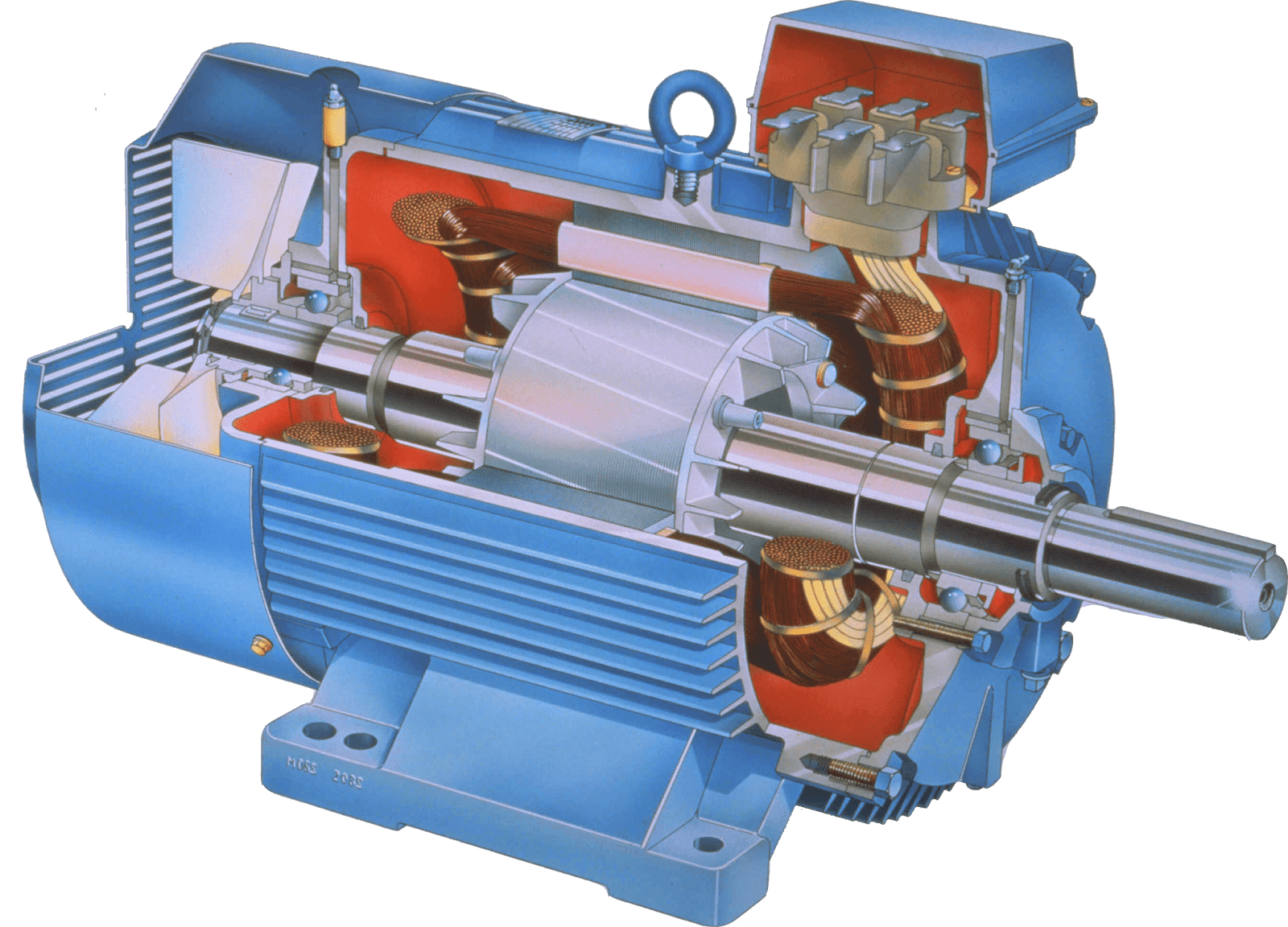
Electric motors power everything from heavy industrial machinery to household appliances, yet one of their smallest components dictates much of their long-term performance. A motor carbon brush acts as the vital electrical bridge between stationary power sources and rotating commutators or slip rings. When these components wear down or suffer from poor maintenance, overall equipment efficiency plummets, leading to excessive sparking, overheating, and premature motor failure.
Understanding how carbon brushes operate, recognizing when they need attention, and following precise maintenance protocols will save you from costly downtime and unplanned equipment replacements. Let's look closely at how these components function, how to select proper replacements, and the step-by-step procedures required to service them safely.
What is a Motor Carbon Brush and How Does It Function?
Motor carbon brushes are sliding electrical contacts made from compressed carbon, graphite, or metal-graphite composites. As the motor's armature spins, the commutator segments rotate beneath the stationary brush face. The brush continuously transfers electrical current from external wiring into the rotating windings while mechanical spring tension maintains steady physical contact.
Because carbon is softer than the copper segments of the commutator, the brush is engineered to act as a sacrificial wear component. Over hundreds of operational hours, friction and electrical arcing slowly erode the carbon block. Without this sacrificial design, the constant friction would rapidly destroy expensive copper commutators and slip rings. More analysis by Bloomberg highlights related views on this issue.
Beyond current transfer, brushes also help dissipate static charges and minimize electromagnetic interference (EMI) generated by the spinning armature. Selecting the correct grade of carbon—whether electro-graphitic, resin-bonded, or silver-graphite—depends heavily on the specific motor voltage, load current, and rotational speed.
Common Signs of Carbon Brush Wear and Failure
Waiting until a motor fails completely is an expensive mistake. Regular visual and operational checks reveal subtle warning signs long before catastrophic damage occurs. Watch for these primary indicators:
- Excessive Sparking: A small spark ring is normal under high loads, but bright, continuous blue flashes or ring-fire around the entire commutator indicate poor brush seating, weak springs, or incorrect grade selection.
- Unusual Motor Noise: Increased humming, chatter, or squealing often signals that the brush is vibrating wildly inside its holder due to loss of proper spring tension.
- Physical Shortening: If the carbon block has worn down to the embedded shunt wire or reached the manufacturer's specified minimum wear line, immediate replacement is necessary.
- Uneven Wear Patterns: Chipped edges, wedge-shaped wear, or severe grooving across the brush face point to mechanical imbalance, rough commutator surfaces, or contamination from dust and oil.
- Performance Drops: Motors drawing higher current while delivering less torque or speed often suffer from high electrical resistance across worn or fouled brush contacts.
How to Choose the Right Replacement Motor Carbon Brush
Installing random replacement brushes that merely "fit" into the holder can destroy a motor in minutes. Proper sizing and material pairing are critical for longevity. When purchasing replacement brushes, verify the following specifications:
- Material Composition: Match the original equipment manufacturer (OEM) grade. High-speed universal motors require different carbon hardness and electrical resistance than low-speed industrial DC motors.
- Dimensions and Tolerances: Measure the width, thickness, and length precisely using digital calipers. Even a fraction of a millimeter of clearance error causes binding or excessive slop.
- Shunt Wire and Terminal Type: Check how the flexible copper wire (shunt) connects to the brush body. Ensure the terminal connector matches your specific brush holder design, whether it uses a spade, ring, or screw mount.
- Spring Pressure Compatibility: The constant force spring must apply the exact pressure recommended for the brush size to maintain steady contact without accelerating mechanical wear.
For specialized industrial applications, consult technical documentation from major motion control manufacturers like ABB or review technical standards outlined by the National Electrical Manufacturers Association for compliance guidelines.
Step-by-Step Motor Carbon Brush Replacement Guide
Replacing carbon brushes requires patience, cleanliness, and strict adherence to safety protocols. Follow this structured procedure to complete the job correctly:
- Disconnect Power and Secure the Work Area: Lock out and tag out the main electrical supply to the motor. Verify with a calibrated multimeter that zero voltage is present at the terminals to prevent severe electrical shock.
- Access the Brush Compartments: Remove any protective end covers, inspection plates, or exterior housing shrouds that block access to the brush rigging.
- Release Spring Tension and Remove Old Brushes: Carefully lift or swing the constant-force spring away from the top of the worn brush. Disconnect the shunt wire terminal screw, slide the old carbon block out of the holder pocket, and inspect it for abnormal wear characteristics.
- Clean the Brush Holder and Commutator: Use a clean, lint-free cloth dampened with electrical contact cleaner to remove carbon dust and oil buildup from the holder interior. Inspect the commutator surface; it should have a smooth, chocolate-brown polish. If the copper is grooved or pitted, light dressing with a non-conductive commutator stone may be required.
- Install and Seat the New Brushes: Slide the new carbon brush smoothly into the holder. It should move freely up and down without binding or excessive side-to-side play. Reconnect the shunt wire securely.
- Bed the Brushes (If Necessary): For high-horsepower motors, use a strip of fine-grit sandpaper (grit placed abrasive-side up against the commutator) and pull it back and forth in the direction of rotation to contour the brush face to the exact curvature of the copper segments.
- Test Run the Motor: Reinstall all safety guards, restore power, and run the motor under a light load initially to observe commutation quality and verify smooth, spark-free operation.
Motor Carbon Brush Maintenance FAQ
How often should motor carbon brushes be inspected?
For heavy-duty industrial motors running continuously, inspect brushes every 500 to 1,000 operational hours. For intermittent or fractional horsepower motors, quarterly or semi-annual checks are usually sufficient.
Why are my new carbon brushes wearing down too fast?
Rapid wear typically stems from incorrect brush grade selection, insufficient spring pressure causing micro-arcing, rough commutator surfaces, or heavy environmental dust and chemical contamination.
Can I clean a commutator with standard sandpaper?
No. Standard household or automotive sandpaper contains abrasive materials like aluminum oxide or iron particles that lodge in the copper segments and cause severe sparking and short circuits. Always use specialized electrical commutator stones or approved glass paper.
What causes excessive sparking on the commutator?
Common causes include worn-out brushes, weak or broken brush springs, high mica insulation between commutator bars, eccentric armature shafts, or electrical overload conditions.
Is it necessary to replace all brushes at the same time?
Yes. Even if only one brush appears worn out, you should always replace the entire set simultaneously. Mismatched lengths and densities create unequal current distribution, throwing the electrical load unevenly across the motor.



